
More reasons to enroll early: Save $250 on tuition + 50% off your deposit. Enroll by Oct 31.
Practice clinical skills and explore healthcare careers in this 3-week medicine academy for high school students on UT Austin’s campus.
Rated 4.5 out of 5 for classroom experience by students who took this course in 2026.

Course Description
A pulse, a patient’s story, and a physical assessment each offer a different kind of information. Put those pieces together and explore how a care team decides what might come next.
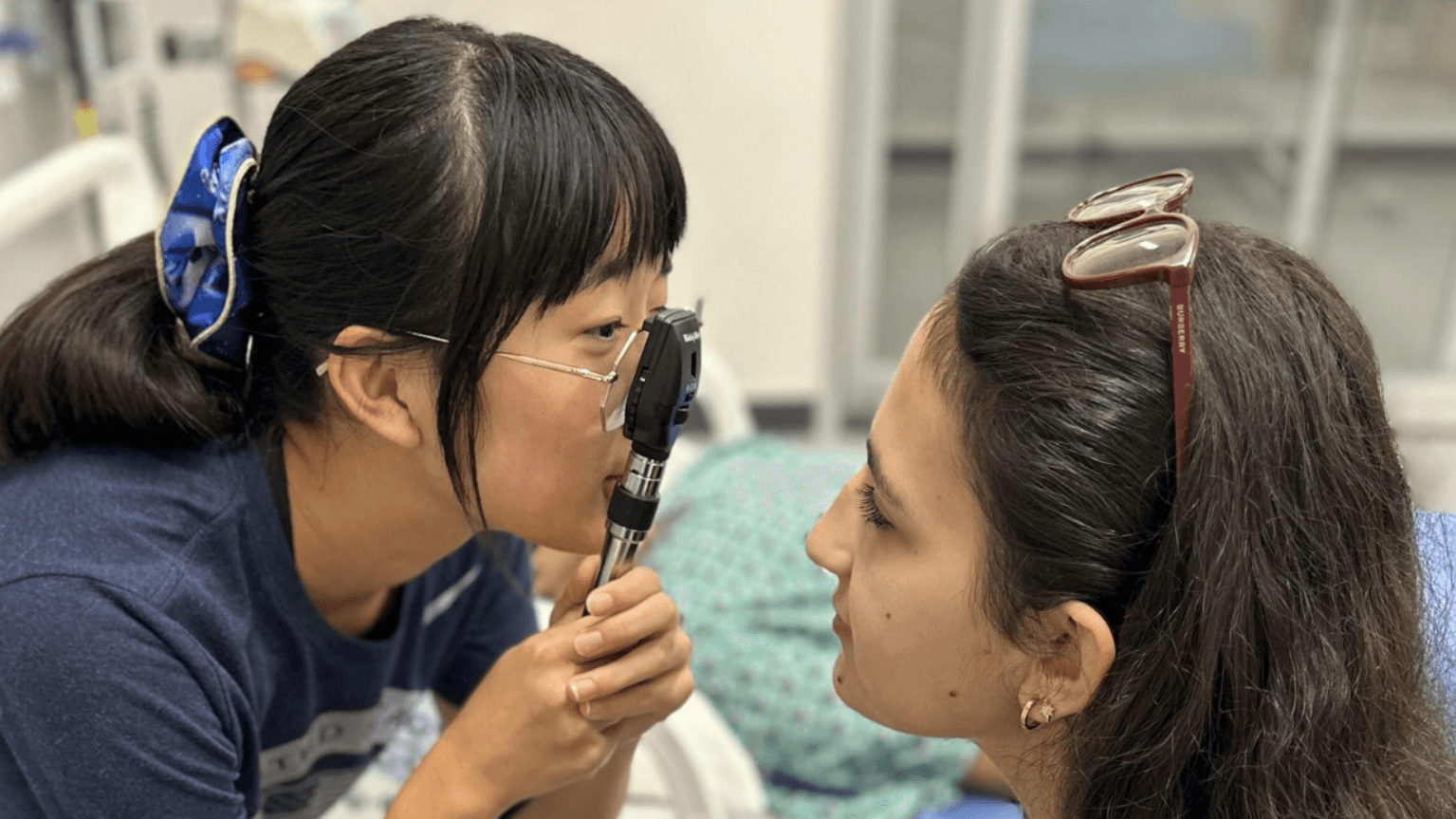
In this course you will practice vital signs, medical-history interviews, and physical assessment, then examine diagnostic tools from radiology, imaging, pathology, laboratories, and clinical testing. Three simulation-lab visits put techniques into a controlled setting.
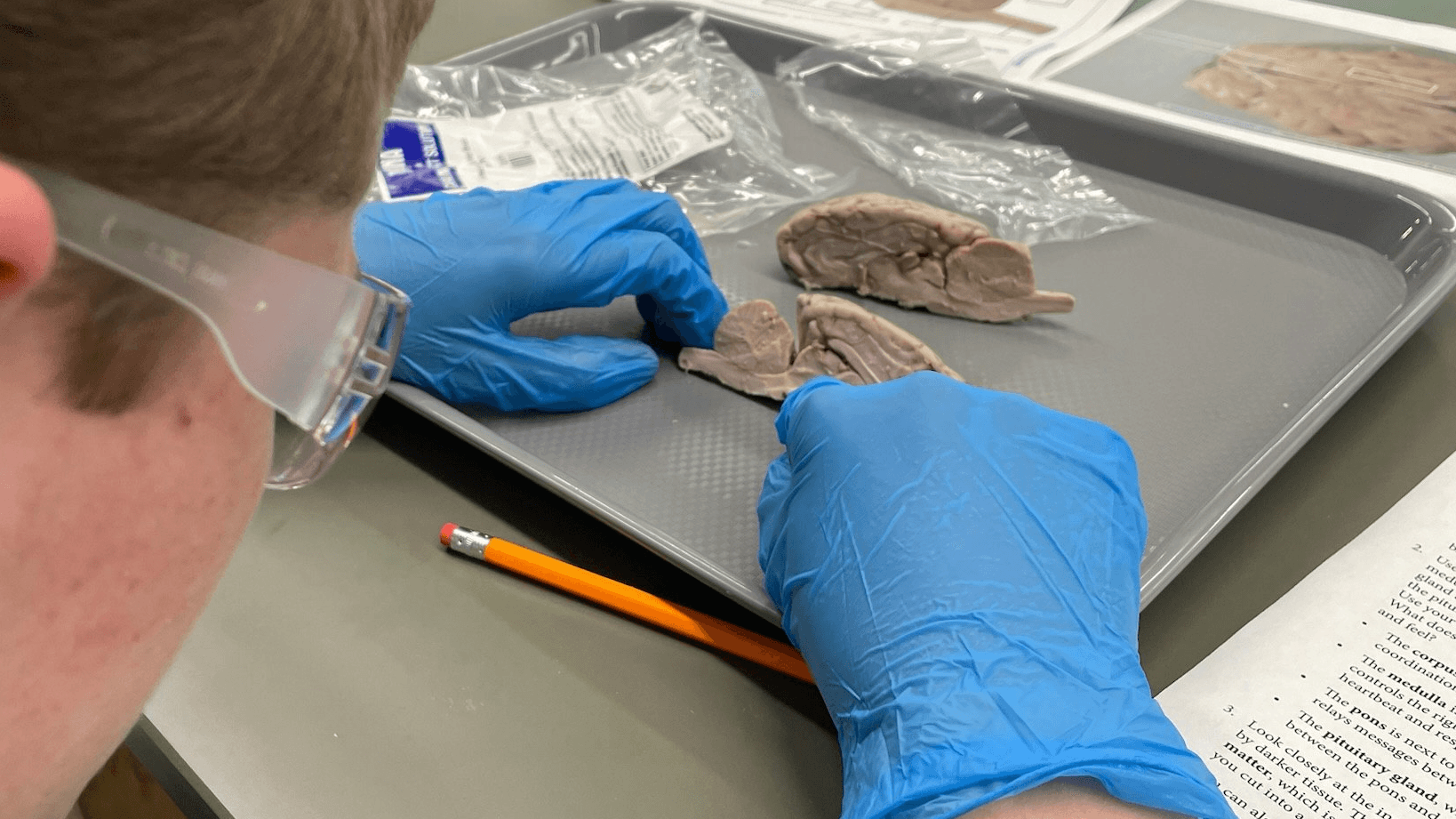
Rotate through cardiac, respiratory, and general assessments. Encounter intravenous access, intubation, casting, splinting, suturing, biopsy, maternal simulation, and nursery scenarios. A Heartsaver First Aid certification experience and School of Nursing tour offer further perspectives on preparation and teamwork.
Compare medical specialties and roles across primary care, hospitals, urgent care, rehabilitation, and correctional medicine. Nursing, physical and occupational therapy, pharmacy, and social work reveal how many professions contribute. Sessions on medical-school applications, interviews, residencies, service learning, and medical humanities connect the work with its training. A book presentation adds reflection and communication to the clinical experience.
This three-week full-day academy for high school students takes place at UT Austin in Austin, Texas. The program is developed by the University of Texas at Austin and offered in partnership with Summer Discovery. Students focus on one academy for the full program. Residential and commuter options are available.
A supplemental course fee of $595 applies.
What You Will Do
• Practice taking vital signs, medical histories, and physical assessments
• Explore imaging, pathology, laboratory, and other diagnostic tools
• Rotate through cardiac, respiratory, IV, intubation, casting, and splinting simulations
• Practice suturing, biopsy, maternal-care, and nursery scenarios
• Complete Heartsaver First Aid certification and tour a nursing school
• Compare medical specialties, healthcare workplaces, and allied-health careers
Learning Outcomes
By the end of the course, students will be able to:
• Explain how histories, vital signs, assessments, and diagnostic tools inform care
• Demonstrate selected clinical techniques responsibly in simulated settings
• Compare healthcare roles, workplaces, training paths, and patient-care responsibilities
You’ll leave with Heartsaver First Aid certification, clinical simulation experience, and a certificate of completion.
Students receive a University of Texas branded certificate of completion at the end of the program.
Why Clinical Medicine Skills Matter
Clinical reasoning brings observation, communication, and technical skill together. Taking a history or measuring vital signs only becomes useful when the information is accurate, organized, and connected to a patient’s condition. Simulation gives students a controlled setting for seeing how care teams assess problems and choose next steps.
The course also develops a more realistic view of healthcare. Comparing specialties, workplaces, and allied-health roles shows that patient care depends on many professionals. Discussing medical humanities and presenting ideas helps students consider empathy, ethics, and clear communication alongside procedures. These skills support future study in biology, health science, and patient-centered fields.
Who Should Attend?
For students who have completed 9th, 10th, 11th, or 12th grade.
If you want to try clinical techniques and understand the people who use them, this academy offers several ways into healthcare. You can compare patient-care roles before deciding which path interests you most.
Simulation labs require responsible practice and attention to safety directions. The course covers detailed health topics, including invasive procedures in simulated settings, and includes a book presentation and discussion of professional training.
Your Summer at University of Texas at Austin
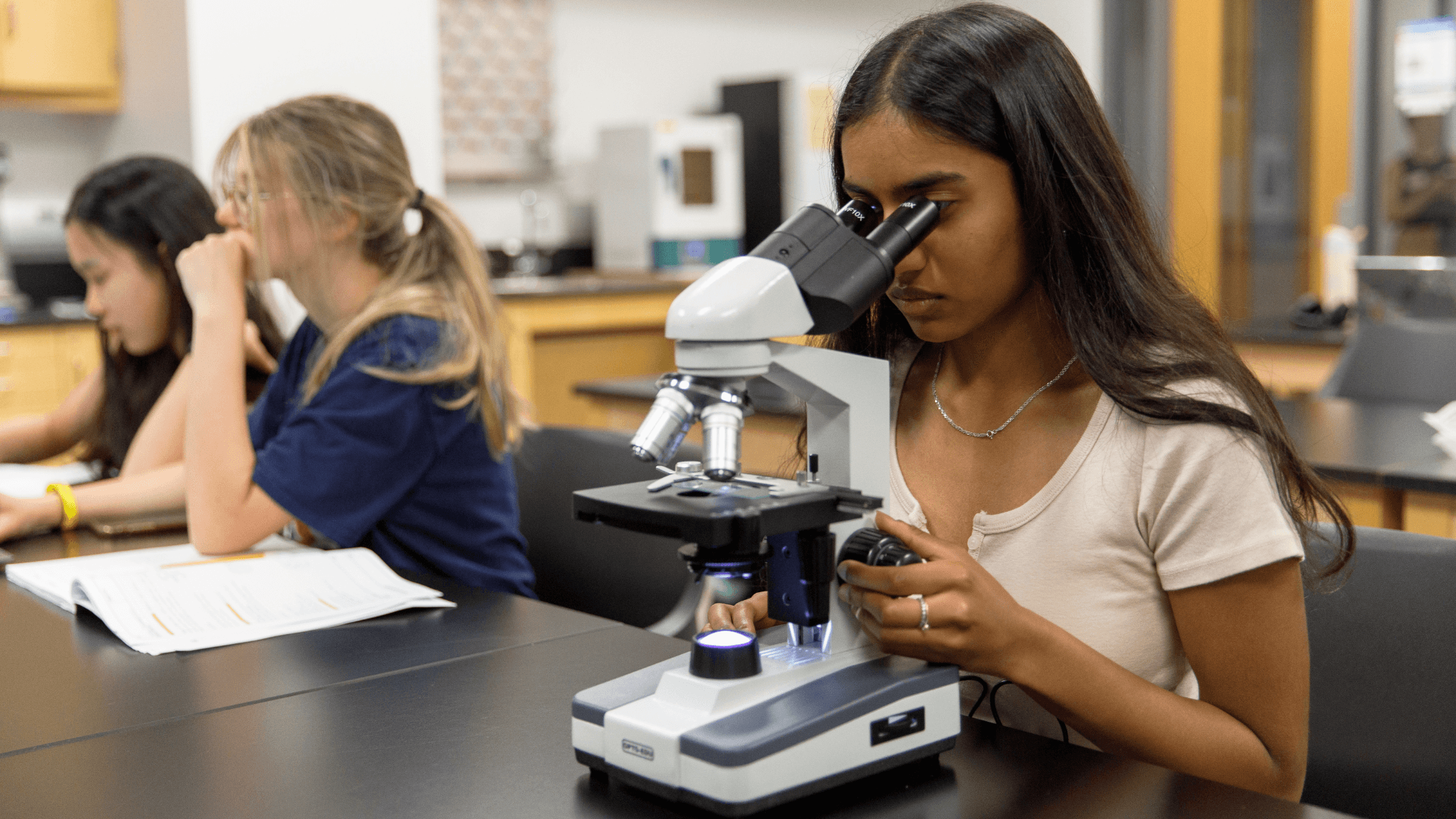
Studying on UT Austin’s Forty Acres campus gives high-school students a substantive introduction to academic life in Austin, Texas. Courses draw from popular undergraduate fields and Austin specialties. Full-day academies offer concentrated study, while classes across the program take place in campus classrooms and laboratories and may include guest speakers and fieldwork around Austin.
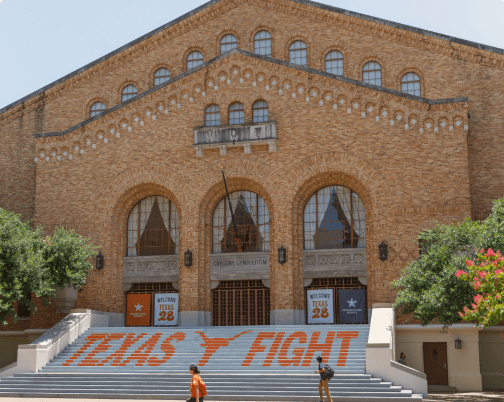
The experience extends beyond class for both residential and commuting students. Residential students live in Jester Hall, eat at J2, a popular campus dining hall, and take part in activities that may range from a star party at PMA to time at Gregory Gym, Zilker Park, South Congress, or an Austin FC match. Students gain independence, meet peers, and leave with a clearer view of college life, possible directions for future study, and what it can feel like to be a Longhorn.

UT Austin Certificate of Completion
After successfully finishing this course, you will be awarded a certification completion for your accomplishment.
*This is a preview, not what you will receive