
More reasons to enroll early: Save $250 on tuition + 50% off your deposit. Enroll by Oct 31.
Explore neural systems and present a research topic in this 3-week neuroscience program for high school students on UT Austin’s campus.
Rated 4.5 out of 5 for classroom experience by students who took this course in 2026.
Course Description
A sensation becomes a signal, and a signal can guide a movement. Follow the pathways that connect the nervous system with what people do and experience.
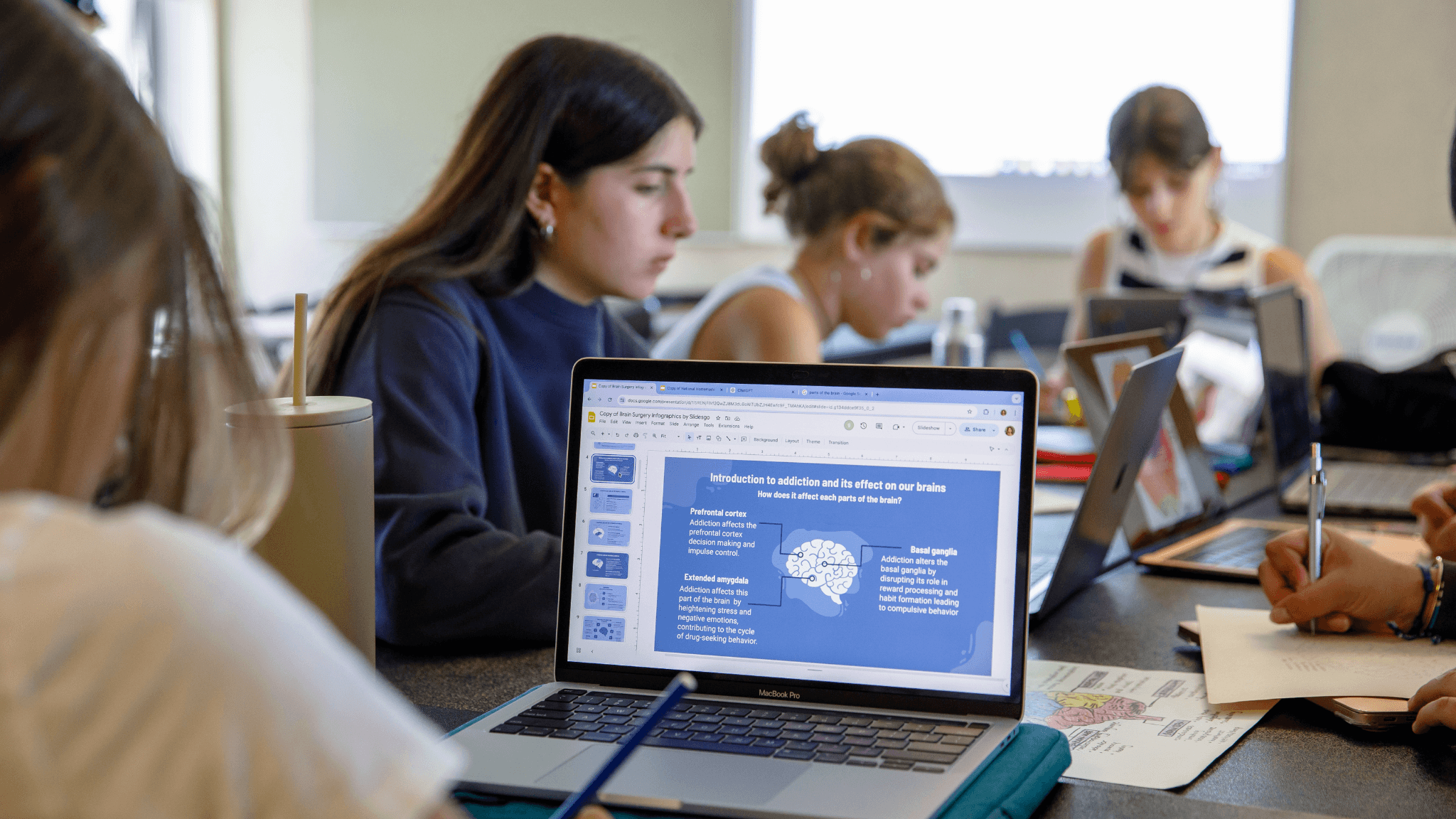
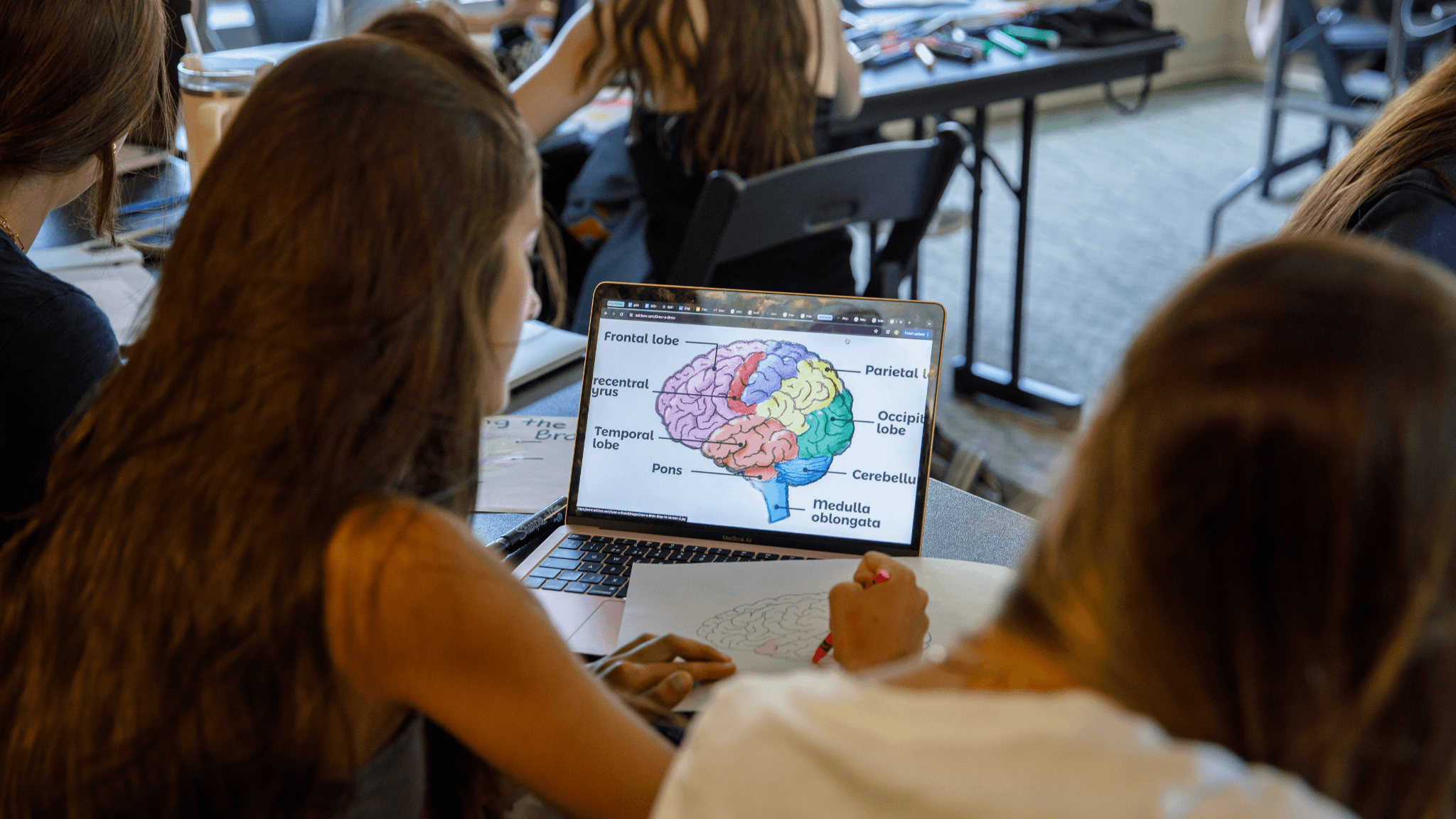
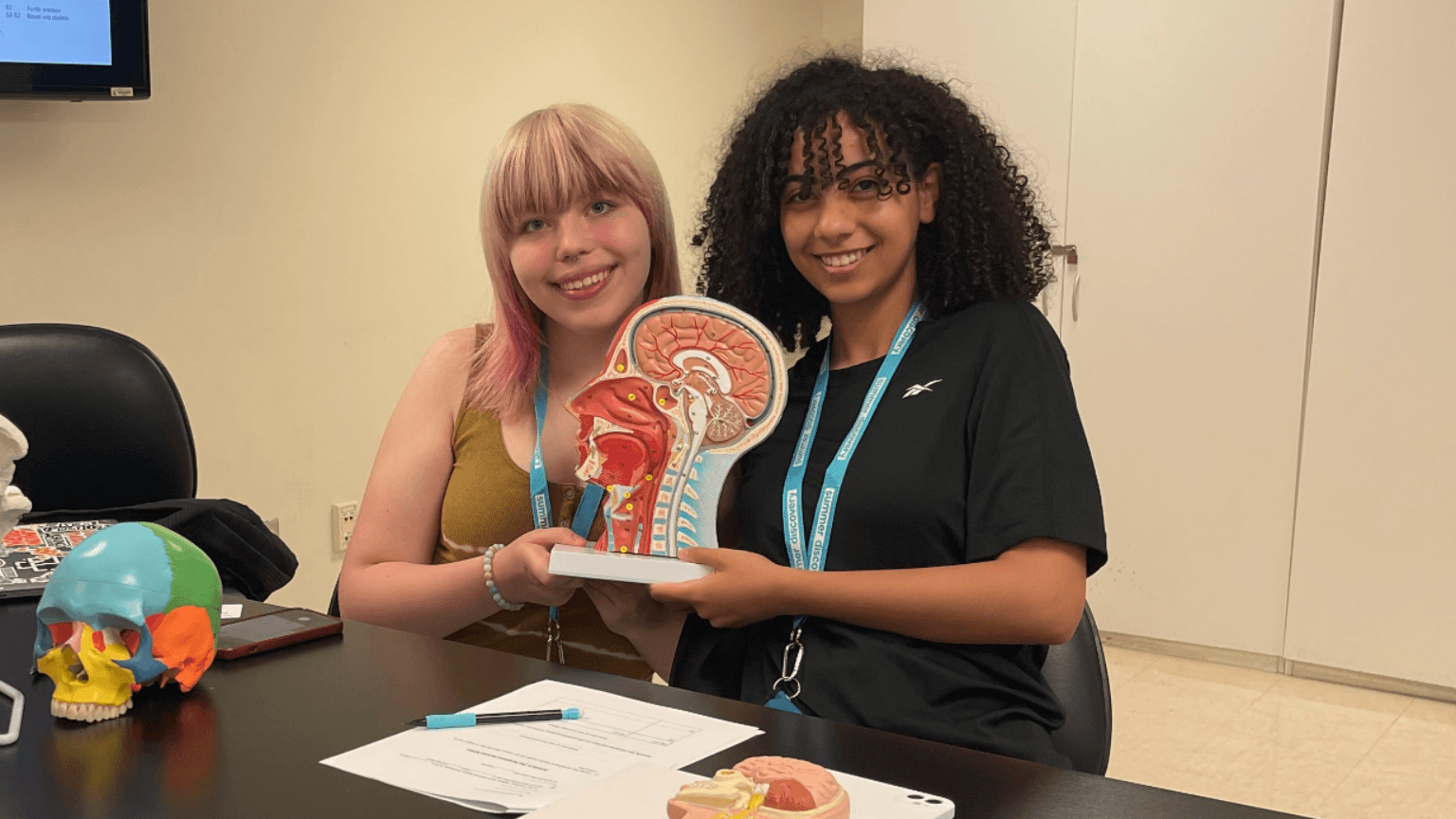
In this course you will build a map of nervous-system anatomy and examine how cells, pathways, and larger systems work together. Prosthetics, peripheral nerves, motor pathways, sensory receptors, and autonomic control connect structures with functions. Sleep, addiction, neurorehabilitation, and neurocognitive aging open up questions about how those functions change.
Guest speakers add specialist perspectives. Tours of research spaces focused on robotics, sleep, the brain, and neurocognitive aging show different tools researchers use to investigate the brain and behavior. Write summaries of the lectures and visits to work through what each method can reveal.
Prepare a PowerPoint on a focused neuroscience topic and present twice during the final week, explaining its significance with accurate terminology. A final exam draws together the learning. The mix of anatomy, clinical applications, and research exposure helps you compare directions within neuroscience before choosing a narrower question.
This three-week course for high school students takes place at UT Austin in Austin, Texas. The program is developed by the University of Texas at Austin and offered in partnership with Summer Discovery. Residential and commuter options are available.
What You Will Do
• Map major nervous-system structures, pathways, and functional relationships
• Examine prosthetics, motor control, sensation, and autonomic regulation
• Investigate sleep, addiction, neurorehabilitation, and neurocognitive aging
• Tour research spaces focused on robotics, sleep, the brain, and aging
• Write summaries of guest lectures and laboratory visits
• Research and deliver a PowerPoint presentation on a neuroscience topic
Learning Outcomes
By the end of the course, students will be able to:
• Explain major nervous-system structures, pathways, and selected clinical applications
• Compare how researchers investigate movement, sensation, sleep, addiction, and aging
• Synthesize neuroscience information in written summaries and an oral presentation
You’ll leave with your research reflections, completed presentation, and a certificate of completion.
Students receive a University of Texas branded certificate of completion at the end of the program.
Why Neuroscience Skills Matter
Neuroscience asks students to connect structures at several scales. A pathway may begin with a sensory receptor, travel through peripheral nerves, and influence movement or behavior through larger neural systems. Mapping those relationships develops systems thinking and precise scientific vocabulary.
Clinical and research examples add interpretation. Students consider how injury, aging, sleep, addiction, or rehabilitation can alter function and why researchers may use robotics, behavioral studies, or other approaches to investigate a question. Summarizing lectures and tours strengthens evidence-based communication. These skills support future study in biology, psychology, kinesiology, engineering, medicine, and scientific research.
Who Should Attend?
For students who have completed 9th, 10th, 11th, or 12th grade.
If the brain, movement, or rehabilitation catches your interest, this course gives you a broad view of the nervous system and ways researchers study it. Psychology, biology, medicine, and biomedical technology offer different ways into the questions.
Expect detailed terminology, guest speakers and research tours, written summaries, and a PowerPoint presentation delivered twice in the final week. The course includes a final exam.
Your Summer at University of Texas at Austin
Studying on UT Austin’s Forty Acres campus gives high-school students a substantive introduction to academic life in Austin, Texas. Courses draw from popular undergraduate fields and Austin specialties. Full-day academies offer concentrated study, while classes across the program take place in campus classrooms and laboratories and may include guest speakers and fieldwork around Austin.
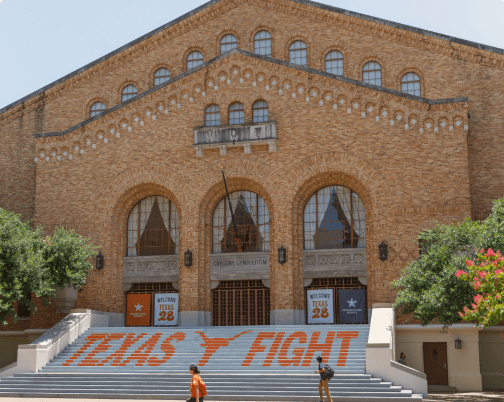
The experience extends beyond class for both residential and commuting students. Residential students live in Jester Hall, eat at J2, a popular campus dining hall, and take part in activities that may range from a star party at PMA to time at Gregory Gym, Zilker Park, South Congress, or an Austin FC match. Students gain independence, meet peers, and leave with a clearer view of college life, possible directions for future study, and what it can feel like to be a Longhorn.

UT Austin Certificate of Completion
After successfully finishing this course, you will be awarded a certification completion for your accomplishment.
*This is a preview, not what you will receive