
More reasons to enroll early: Save $250 on tuition + 50% off your deposit. Enroll by Oct 31.
Explore body systems with 3D models in this 2-week anatomy program for high school students on UT Austin’s campus.
Rated 4.4 out of 5 for classroom experience by students who took this course in 2026.
Instructor:
Course Description
A joint’s shape helps explain how it moves. Explore the body in 3D and connect individual structures with the systems that keep a person functioning.
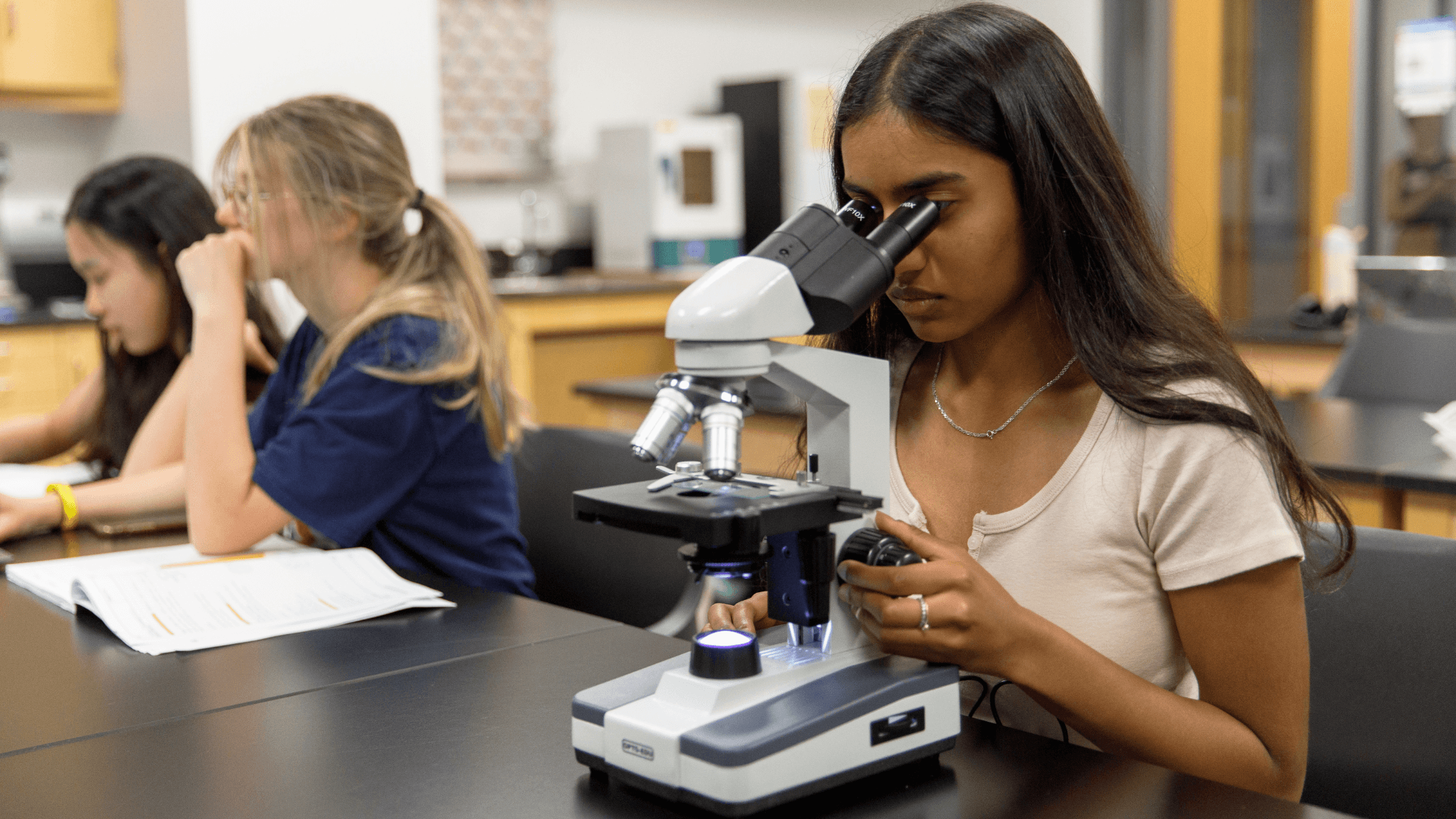
In this course you will investigate human anatomy using state-of-the-art 3D models. Explore the nervous, cardiovascular, lymphatic, respiratory, digestive, urinary, and reproductive systems.
Look more closely at the head, neck, trunk, shoulder complex, arms, pelvis, hips, knees, ankles, and feet. Guest lectures from doctors and researchers add specialist perspectives. A prosthetics demonstration shows how knowing a body part’s structure helps inform the design and use of an assistive device.
Visits to the Stark Center, Dell Med, the Texas Science and Natural History Museum, and an imaging center connect your models with facilities and technologies. Assignments, review activities, and a final exam help you revisit the material. Preparing and delivering a PowerPoint presentation gives you practice organizing anatomical information so someone else can follow it.
This two-week full-day academy takes place at UT Austin. Students spend the full program focused on one intensive academy. The academy is available to residential and commuter students. The program is developed by the University of Texas at Austin and offered in partnership with Summer Discovery.
A supplemental course fee of $95 applies.
What You Will Do
• Explore the body’s major systems using state-of-the-art 3D anatomical models
• Examine the head, trunk, limbs, and major joints by region
• Hear guest specialists explain anatomy in medicine and research
• Visit medical, imaging, science, and physical-culture facilities
• Observe a prosthetics demonstration connecting anatomy with assistive-device design
• Prepare and deliver a PowerPoint presentation on an anatomical topic
Learning Outcomes
By the end of the course, students will be able to:
• Identify major structures across the body’s principal organ systems and regions
• Explain relationships between anatomical structure, system function, and human movement
• Organize and present anatomical information using models, evidence, and accurate terminology
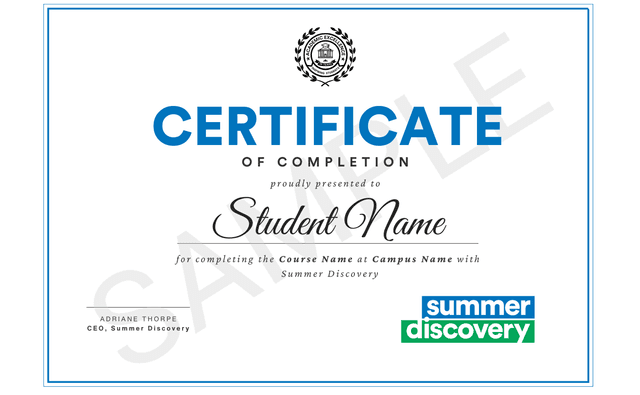
You’ll leave with your completed presentation and a certificate of completion.
Students receive a University of Texas branded certificate of completion at the end of the program.
Why Anatomy Skills Matter
Anatomy gives students a precise language for describing the human body. Identifying structures is only the beginning. Students must also connect form with function, compare regions, and explain how multiple systems interact. Working with 3D models makes those relationships visible and encourages careful spatial reasoning.
These skills support future work in biology, health science, movement science, and engineering. They also strengthen observation, evidence-based explanation, and communication. When students can organize complex information by system and region, they are better prepared to interpret diagrams, discuss medical questions, and build clear presentations from technical material.
Who Should Attend?
For students who have completed 9th, 10th, 11th, or 12th grade.
If you’re curious about the body’s structure, this academy lets you examine anatomy from models to medical settings. Interests in movement, medicine, imaging, rehabilitation, prosthetics, or biomedical engineering can all lead into the work. Detailed study, guest specialists, facility visits, assignments, a final exam, and a class presentation are part of the experience.
Your Summer at University of Texas at Austin
Studying on UT Austin’s Forty Acres campus gives high-school students a substantive introduction to academic life in Austin, Texas. Courses draw from popular undergraduate fields and Austin specialties. Full-day academies offer concentrated study, while classes across the program take place in campus classrooms and laboratories and may include guest speakers and fieldwork around Austin.
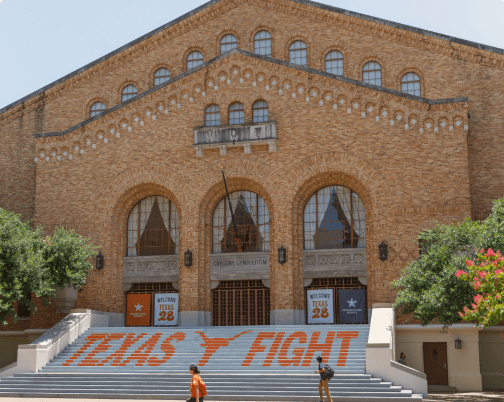
The experience extends beyond class for both residential and commuting students. Residential students live in Jester Hall, eat at J2, a popular campus dining hall, and take part in activities that may range from a star party at PMA to time at Gregory Gym, Zilker Park, South Congress, or an Austin FC match. Students gain independence, meet peers, and leave with a clearer view of college life, possible directions for future study, and what it can feel like to be a Longhorn.
Summer Discovery Certificate of Completion
After successfully finishing this course, you will be awarded a certification completion for your accomplishment.
*This is a preview, not what you will receive