

More reasons to enroll early: Save $250 on tuition + 50% off your deposit. Enroll by Oct 31.
Explore medical devices and biomedical engineering research in this 2-week biomedical engineering academy for high school students on UT Austin’s campus.
Rated 4.3 out of 5 for classroom experience by students who took this course in 2026.
Instructor:

Course Description
A medical device has to work with a living body. Explore the engineering choices behind materials, imaging, and technology used in healthcare research.
In this course you will begin with the engineering design process and the disciplines that contribute to biomedical engineering. Biology and cell and tissue engineering introduce how living systems interact with materials, forces, devices, and data.
Biomaterials and biomechanics show how materials and forces interact with the body. Computational biomedical engineering, medical devices and instrumentation, organ-on-chip systems, and imaging open up other approaches. Laboratory tours connect those concepts with current research settings and equipment.
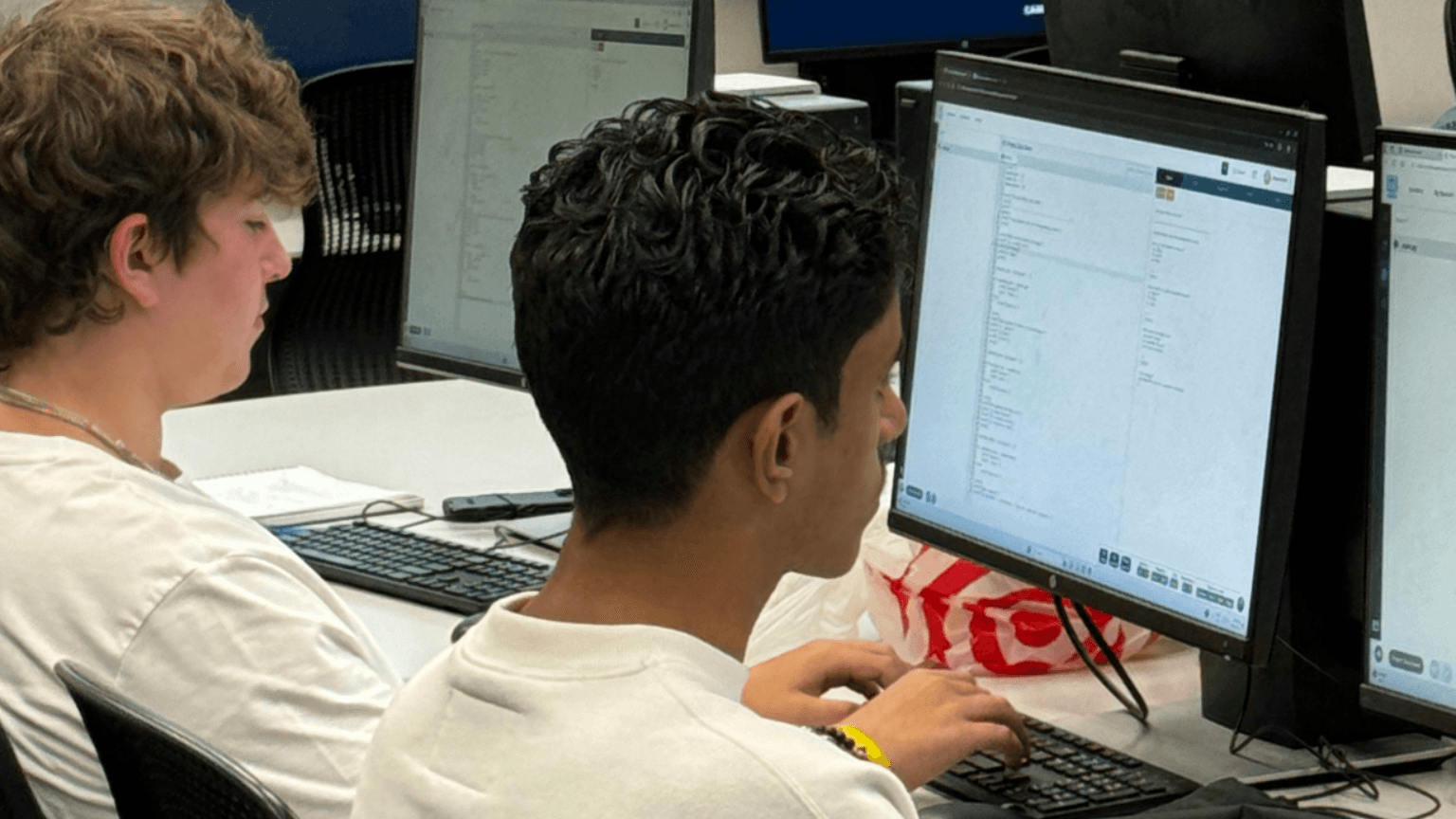
Lectures, laboratory activities, tours, and guest presentations give you material to examine in quizzes and short reflection papers. With a team, prepare two presentations on engineering concepts or research topics. Explaining the work helps you compare specialties and discover which problems you would like to investigate further.
This two-week full-day academy takes place at UT Austin. Students spend the full program focused on one intensive academy. The academy is available to residential and commuter students. The program is developed by the University of Texas at Austin and offered in partnership with Summer Discovery.
A supplemental course fee of $195 applies.
What You Will Do
• Compare major engineering disciplines and their roles in biomedical engineering
• Explore cell and tissue engineering, biomaterials, and biomechanics
• Investigate computational biomedical engineering, organ-on-chip systems, and biomedical imaging
• Examine medical devices and instrumentation used in healthcare research
• Tour biomedical engineering laboratories and reflect on research applications
• Collaborate on two presentations about engineering concepts and research topics
Learning Outcomes
By the end of the course, students will be able to:
• Explain how engineering principles apply to biological and medical problems
• Compare biomedical engineering specialties, including devices, imaging, materials, and computation
• Research and present technical concepts clearly with a team
You’ll leave with your reflection work, team presentations, and a certificate of completion.
Students receive a University of Texas branded certificate of completion at the end of the program.
Why Biomedical Engineering Skills Matter
Biomedical engineering requires students to connect several ways of thinking. Biology explains the living system, physics describes forces and motion, and engineering design turns a need into specifications that can be tested. Comparing these perspectives helps students see why a medical solution must work technically and fit the body or clinical setting.
Reflection and presentation work strengthen the ability to explain complex material accurately. Collaboration also matters because biomedical projects often bring together engineers, scientists, clinicians, and designers. These habits support future laboratory work, design courses, research, and problem-solving in many health and technology fields.
Who Should Attend?
For students who have completed 9th, 10th, 11th, or 12th grade.
An interest in biology and a habit of asking how technology works can come together here. This academy lets you compare biomedical specialties before deciding which direction you want to explore. Technical ideas, laboratory visits, short reflections, and two team presentations give you different ways to investigate the connection between engineered systems and the body.
A school transcript is required.
Your Summer at University of Texas at Austin
Studying on UT Austin’s Forty Acres campus gives high-school students a substantive introduction to academic life in Austin, Texas. Courses draw from popular undergraduate fields and Austin specialties. Full-day academies offer concentrated study, while classes across the program take place in campus classrooms and laboratories and may include guest speakers and fieldwork around Austin.
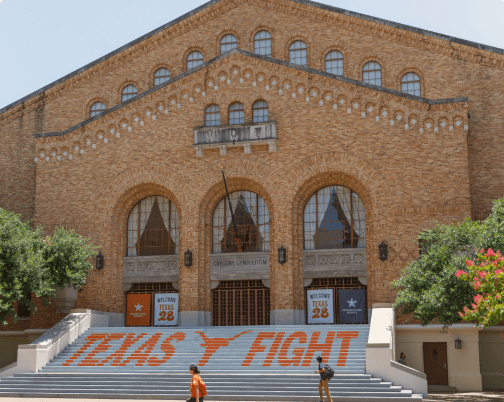
The experience extends beyond class for both residential and commuting students. Residential students live in Jester Hall, eat at J2, a popular campus dining hall, and take part in activities that may range from a star party at PMA to time at Gregory Gym, Zilker Park, South Congress, or an Austin FC match. Students gain independence, meet peers, and leave with a clearer view of college life, possible directions for future study, and what it can feel like to be a Longhorn.

UT Austin Certificate of Completion
After successfully finishing this course, you will be awarded a certification completion for your accomplishment from UT Austin.
*This is a preview, not what you will receive