
More reasons to enroll early: Save $250 on tuition + 50% off your deposit. Enroll by Oct 31.
Analyze inherited disease and precision medicine in this two-week Dartmouth academy for high school students.
Rated 4.3 out of 5 for overall experience by students surveyed across the broader program in 2026.
Course Description
Follow a genetic finding from a research paper to the questions it raises about someone’s health. The promise of a discovery and the limits of its evidence both matter.
In this course you will investigate how genetic variation contributes to inherited disorders, complex disease, and differences in treatment. Case studies and current scientific literature connect inheritance patterns, gene-environment interactions, genomics, and genetic testing. Read primary research to distinguish what a study found from what remains uncertain.
Precision medicine brings those findings closer to decisions about prevention, diagnosis, and treatment. Trace the steps between a genetic association, a biological explanation, and a possible medical use. Discussions of benefits, risks, privacy, access, and the effects on people and communities ask how advancing technologies should be used. A visit to the Genomics Shared Resource Lab and a guest research perspective connect the work to current practice. You’ll present an evidence-based explanation of a genetics question, practicing the careful interpretation central to further study in biology and medicine.
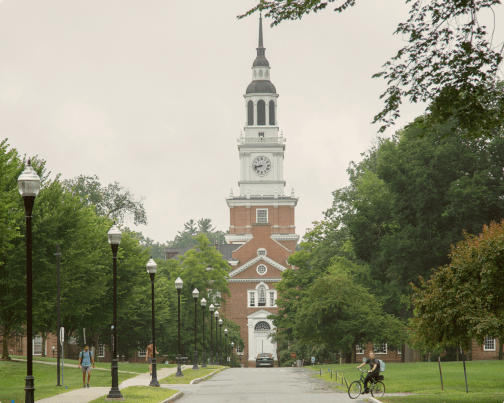
This two-week, full-day intensive academy for high school students is part of Dartmouth Precollege Summer Scholars in Hanover, New Hampshire. The academy is fully developed and run by Dartmouth and taught by Dartmouth faculty and expert instructors. Residential and commuter students participate throughout the day.
What You Will Do
• Analyze inheritance patterns and gene-environment interactions in disease
• Read primary research on human genetics
• Explore genetic testing and precision medicine
• Discuss genetic research’s benefits, risks, and social implications
• Visit the Genomics Shared Resource Lab
• Present an evidence-based explanation of a genetics question
Learning Outcomes
By the end of the course, students will be able to:
• Explain inheritance patterns and gene-environment interactions in human disease
• Interpret genetics research and its possible uses in precision medicine
• Evaluate scientific, ethical, and social implications of genetic testing and research
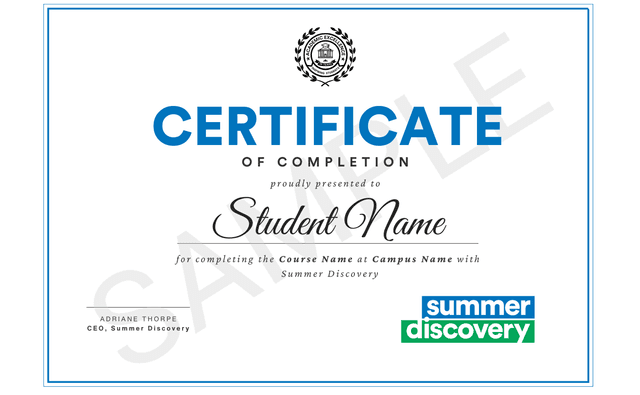
You’ll leave with your research-based genetics analysis and a certificate of completion.
Why Human Genetics Skills Matter
Human genetics helps students connect molecular information with health while recognizing that genes rarely tell the whole story. Inheritance patterns, environmental influences, and genomic variation must be interpreted through evidence rather than treated as simple predictions.
Reading research and discussing genetic testing develop scientific literacy and ethical judgment. Students learn to ask what a result can support, who has access to the information, and how it might affect individuals or communities. These skills matter in biology, medicine, biotechnology, public health, precision medicine, and bioethics.
Who Should Attend?
For students who have completed 9th, 10th, 11th, or 12th grade.
If you’re interested in how biology shapes health, this academy lets you follow that interest into research and its effects on people. It connects genetics and medicine with questions about privacy, access, and the responsible use of new science. You’ll read scientific material, analyze inheritance patterns, and discuss uncertainty and sensitive questions about genetic information. Prior biology may be helpful; careful reading and curiosity will help you engage with the work.
Recommended by 9 out of 10 Students
Based on students surveyed in the Dartmouth Precollege Summer Scholars program (2026)
Your Summer at Dartmouth
Dartmouth Precollege Summer Scholars gives high school students a concentrated introduction to college-level learning in Hanover, New Hampshire. The intensive, noncredit academies are fully developed and run by Dartmouth and taught by Dartmouth faculty and expert instructors. Students explore current ideas through discussion, projects, and sustained work that helps them test an academic interest in depth.
Residential students live in Dartmouth residence halls, eat at 53 Commons, and can join workshops and counselor-supported evening and weekend activities. Time in Hanover and the Upper Valley adds a distinctive New England setting, while the broader experience helps students build independence and clarify what they may want to study next.
Summer Discovery Certificate of Completion
After successfully finishing this course, you will be awarded a certification completion for your accomplishment.
*This is a preview, not what you will receive