
More reasons to enroll early: Save $250 on tuition + 50% off your deposit. Enroll by Oct 31.
Practice laboratory research and present a medical topic in this two-week Dartmouth academy for high school students.
Rated 4.5 out of 5 for classroom experience by students who took this course in 2026.
Course Description
A discovery in a lab can begin a long journey toward helping a patient. Follow the work that connects those two moments, from handling a sample to explaining a finding.
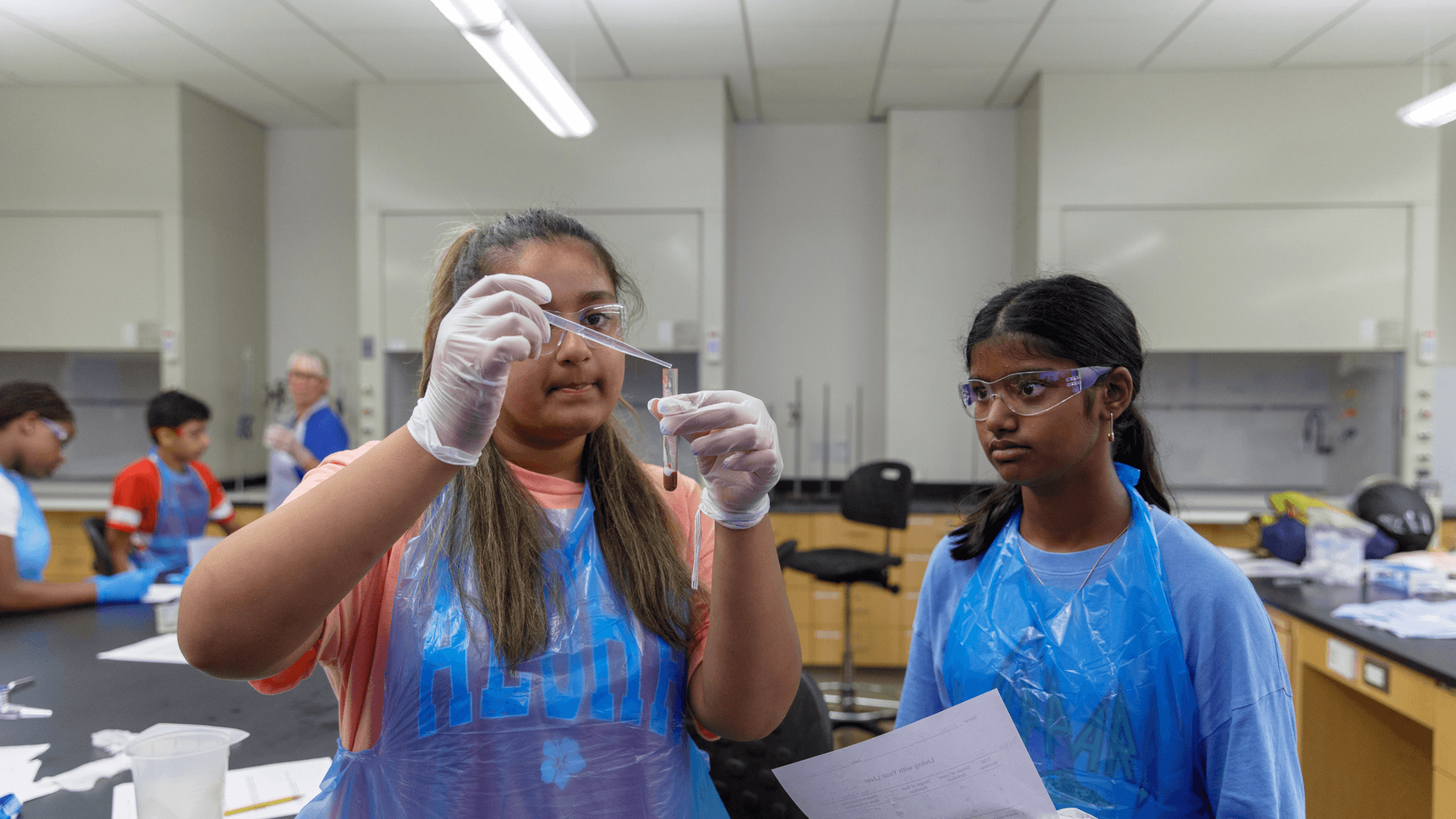
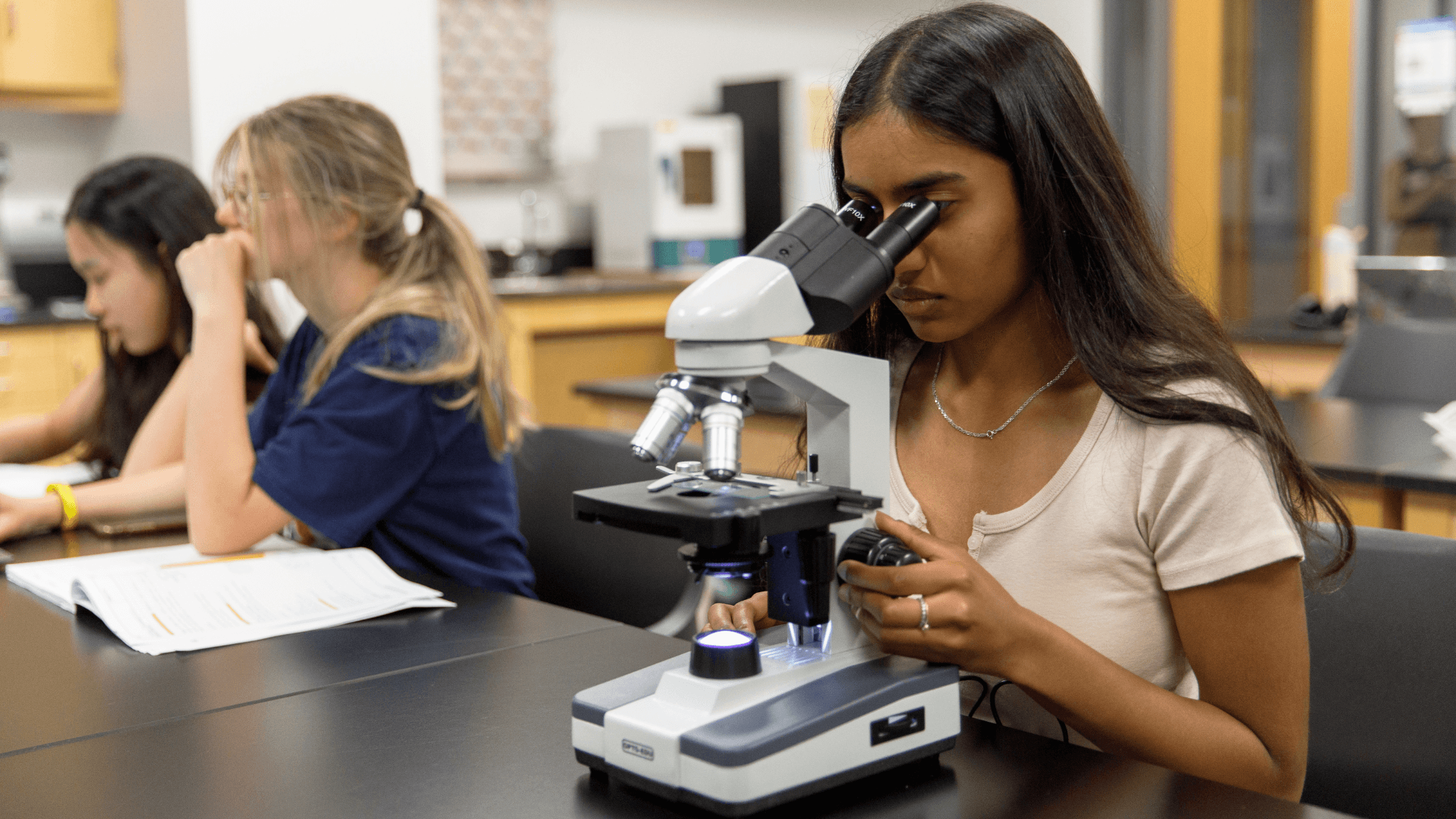
In this course you will practice microscopy and micropipetting, examine cell division, and use gel electrophoresis to investigate a sickle cell case. A catalase lab explores enzyme activity; a preserved sheep brain dissection lets you compare brain structures. A zebrafish lab visit introduces model organisms and confocal microscopy.
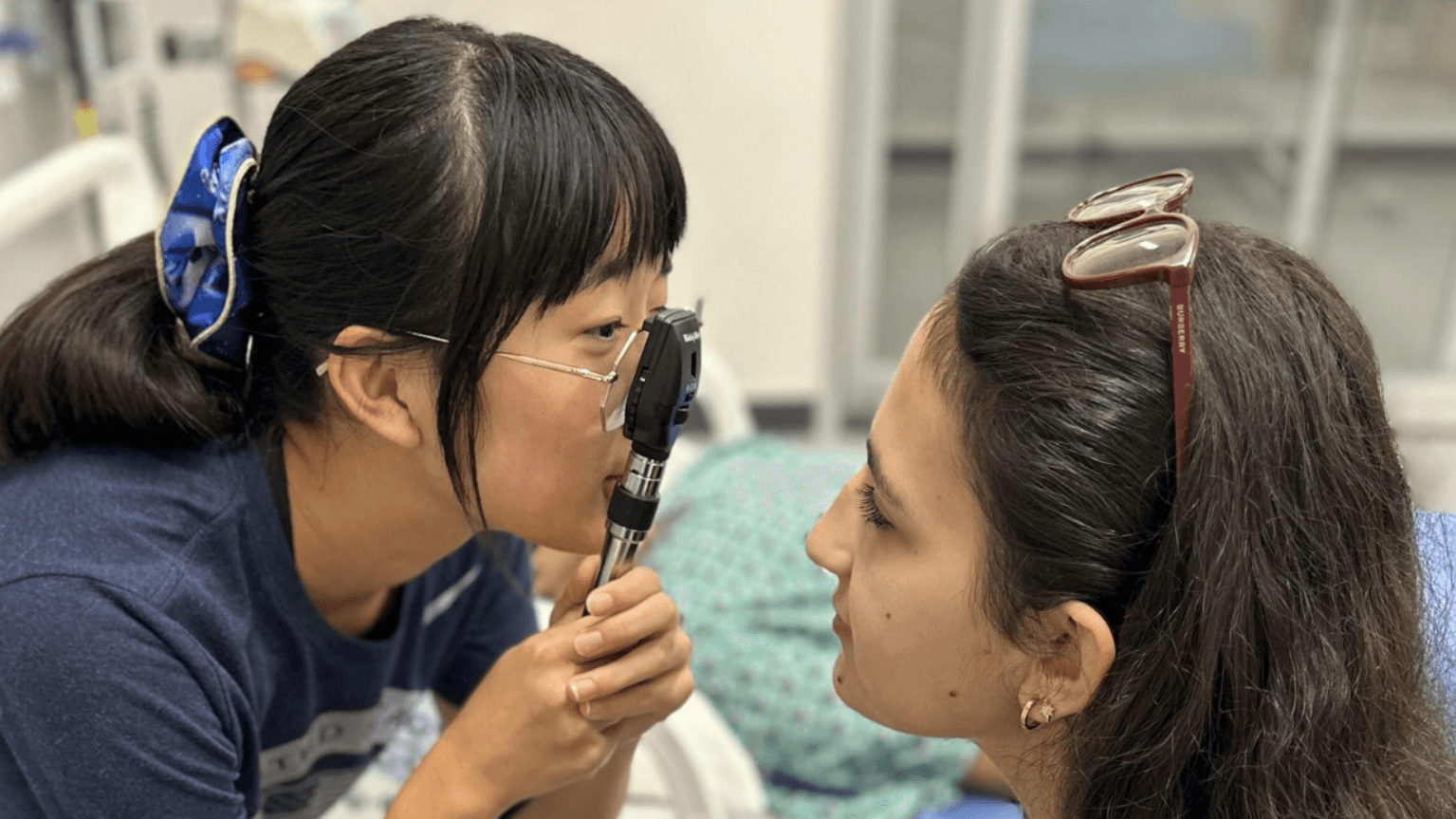
Two visits to Dartmouth Hitchcock Medical Center extend the investigation into chemistry and microbiology labs, pathology, clinical simulation, genomics, and medical imaging. Interactive seminars and discussions examine clinical trials, regulation, and the responsibilities of human and animal research.
Working in a team of two or three, you’ll research a cutting-edge medical topic using primary and reputable secondary sources. Your visual and oral presentation connects the most important findings with the path from laboratory research to patient care. Reading evidence closely and explaining it clearly gives you a taste of the work behind biomedical study.
This two-week full-day academy for high school students is part of Dartmouth Precollege Summer Scholars in Hanover, New Hampshire. Students focus on one academy for the full program. The program is developed and academically led by Dartmouth. Residential and commuter options are available.
What You Will Do
• Practice microscopy, micropipetting, and accurate laboratory documentation
• Investigate a sickle cell case using gel electrophoresis
• Test enzyme activity and examine cell division
• Visit a zebrafish lab and explore model organisms
• Compare brain structures in a preserved sheep brain dissection
• Research a medical topic and present it with your team
Learning Outcomes
By the end of the course, students will be able to:
• Use foundational laboratory techniques and accurate scientific records
• Explain how discoveries move from biomedical research toward patient care
• Evaluate scientific sources and communicate findings with appropriate evidence
You’ll leave with your laboratory records, team research presentation, and a certificate of completion.
Why Biomedical Research Skills Matter
Biomedical research requires careful technique, accurate records, and the patience to connect one experiment with a much longer path toward patient care. Students learn that a promising finding must be tested, reviewed, and interpreted before it can support a diagnosis or treatment.
Laboratory practice and literature research develop precision, scientific literacy, and collaboration. Ethics discussions add responsibility for research involving people and animals. These habits matter in medicine, biology, neuroscience, genetics, biotechnology, public health, clinical trials, and other fields where evidence must be both rigorous and responsibly used.
Who Should Attend?
For students who have completed 9th, 10th, 11th, or 12th grade.
If you want to understand how a medical discovery is tested, this academy brings laboratory practice together with research and clinical settings. Biology, genetics, neuroscience, and biotechnology all offer ways into the work. You’ll read scientific sources, keep laboratory records, and develop a presentation with a small team.
Laboratory safety procedures and closed-toe shoes are required. The course includes preserved specimens and a sheep brain dissection; speak with the instructor early if these activities concern you. Human and animal research ethics are part of the discussion.
Recommended by 9 out of 10 Students
Based on students surveyed in the Dartmouth Precollege Summer Scholars program (2026)
Your Summer at Dartmouth
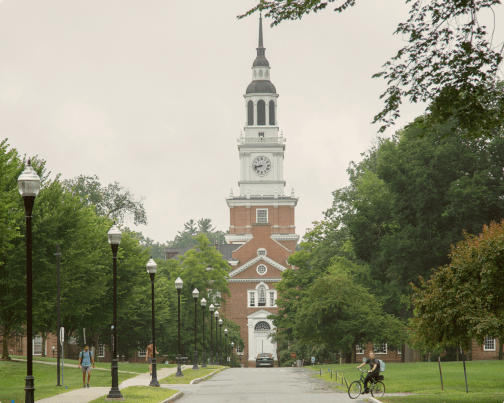
Dartmouth Precollege Summer Scholars gives high school students a concentrated introduction to college-level learning in Hanover, New Hampshire. The program is developed and academically led by Dartmouth. Students explore current ideas through discussion, projects, and sustained work that helps them test an academic interest in depth.
Residential students live in Dartmouth residence halls, eat at 53 Commons, and can join workshops and counselor-supported evening and weekend activities. Time in Hanover and the Upper Valley adds a distinctive New England setting, while the broader experience helps students build independence and clarify what they may want to study next.
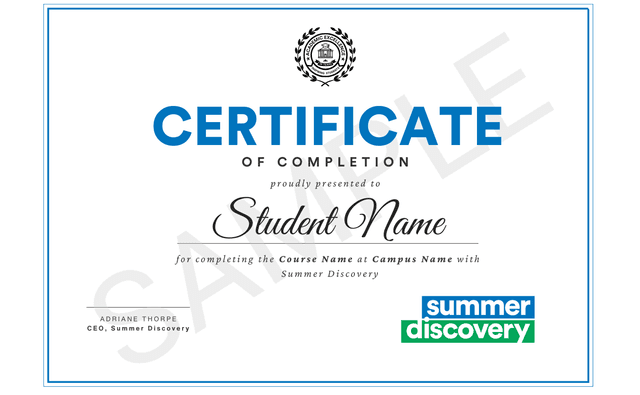
Summer Discovery Certificate of Completion
After successfully finishing this course, you will be awarded a certification completion for your accomplishment.
*This is a preview, not what you will receive