

More reasons to enroll early: Save $250 on tuition + 50% off your deposit. Enroll by Oct 31.
Explore how the brain shapes thought, emotion, and behavior in this two-week Dartmouth academy for high school students.
Rated 4.4 out of 5 for classroom experience by students who took this course in 2026.
Course Description
Put on prism goggles and perception stops feeling so straightforward. Familiar experiences like seeing, remembering, and paying attention become questions you can investigate.
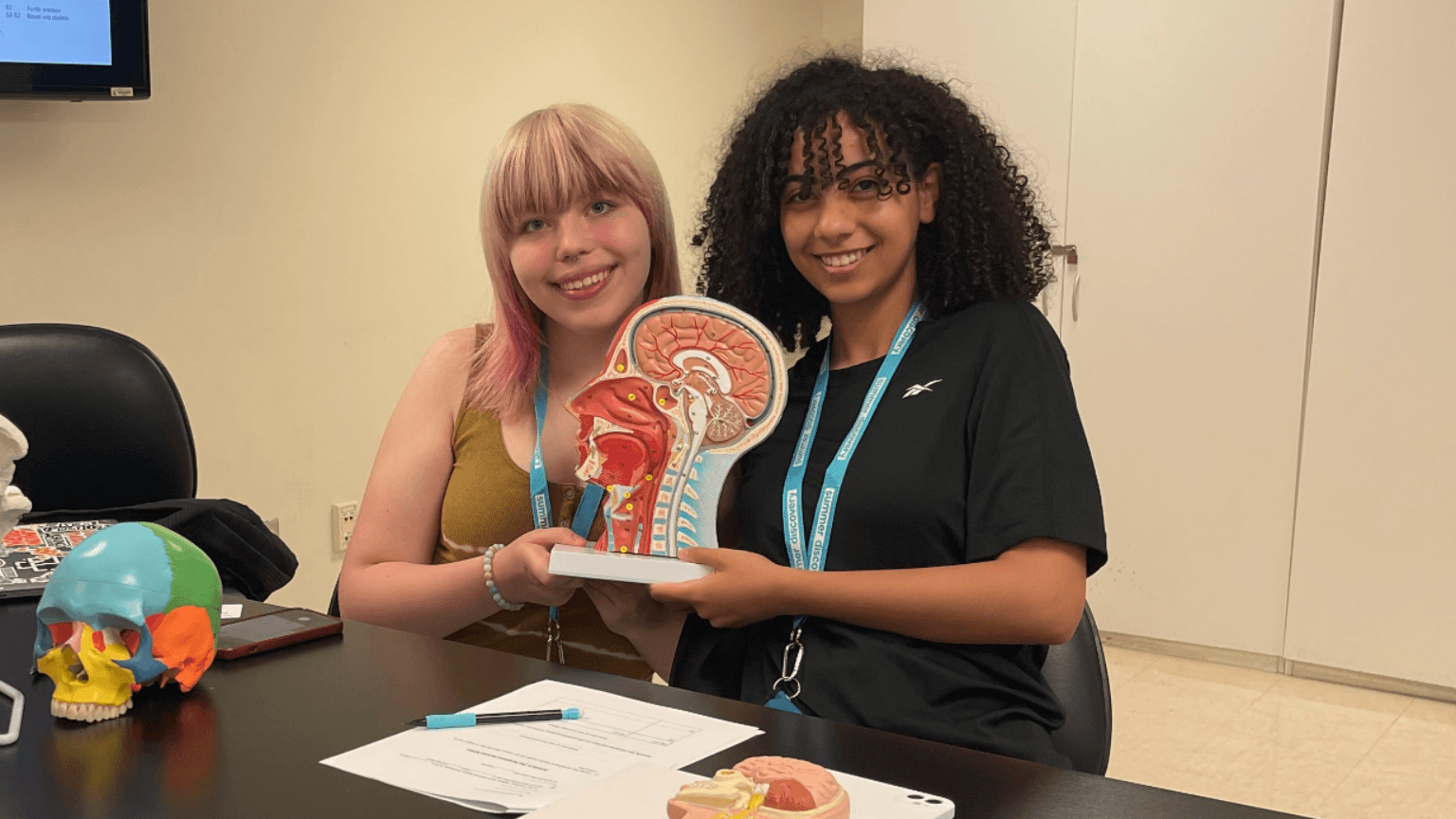
In this course you will examine how the brain shapes memory, attention, perception, learning, emotion, decision-making, habits, and mental health. Interactive lectures, cases, guest speakers, and demonstrations introduce the evidence behind the ideas. Observe an EEG demonstration showing the brain’s electrical activity, build a neuron, explore a brain-computer interface, and take part in a sheep brain dissection. Brain-imaging and cognitive-testing methods show different ways of studying mind and behavior.
Tours of Dartmouth’s greenhouse and sports complex connect environment, performance, and well-being. Conversations with researchers and discussions of research ethics open up links with medicine, education, law, child development, and neural disorders. With a small group, you’ll choose a topic to research and create a 12-minute presentation, using peer feedback to strengthen your explanation. It’s practice in asking what scientific evidence can tell us about the mind, and where its limits lie.
This two-week full-day academy for high school students is part of Dartmouth Precollege Summer Scholars in Hanover, New Hampshire. Students focus on one academy for the full program. The program is developed and academically led by Dartmouth. Residential and commuter options are available.
What You Will Do
• Investigate perception with prism goggles
• Observe a recording of brain activity and explore imaging and cognitive-testing methods
• Build a neuron and examine a brain-computer interface
• Take part in a sheep brain dissection
• Visit Dartmouth settings connected with environment, performance, and well-being
• Research and deliver a 12-minute presentation with your group
Learning Outcomes
By the end of the course, students will be able to:
• Explain connections between brain processes, cognition, and behavior
• Compare brain-research methods and the ethical questions they raise
• Use scientific evidence to support an explanation about the mind
You’ll leave with your group’s psychology or neuroscience presentation and a certificate of completion.
Why Psychology and Neuroscience Skills Matter
Psychology and cognitive neuroscience help students investigate familiar experiences, such as memory, emotion, attention, perception, and decision-making, with scientific care. Research methods and demonstrations show how questions about the mind can be observed and studied.
Hands-on activities and ethical discussion help students connect brain structures with behavior while recognizing the limits of what any one method can reveal. These skills matter in psychology, neuroscience, medicine, education, public health, cognitive science, law, and any field that relies on accurate explanations of human behavior.
Who Should Attend?
For students who have completed 9th, 10th, 11th, or 12th grade.
If you’ve wondered why memories change or why attention can be hard to control, this academy takes those questions beyond popular explanations. It’s a fit for students interested in human behavior, mental health, or the science behind learning. Demonstrations and group research give you different ways to examine the evidence.
The academy includes laboratory activities and a sheep brain dissection, discussion of research ethics, and a collaborative presentation.
Recommended by 9 out of 10 Students
Based on students surveyed in the Dartmouth Precollege Summer Scholars program (2026)
Your Summer at Dartmouth
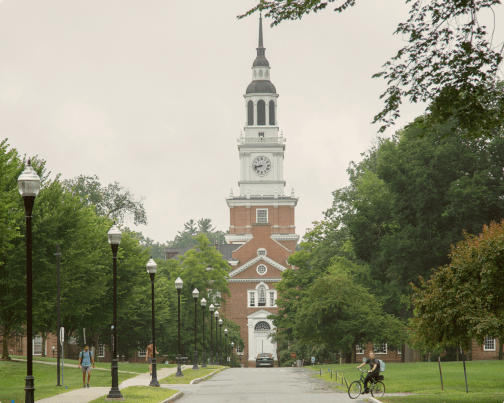
Dartmouth Precollege Summer Scholars gives high school students a concentrated introduction to college-level learning in Hanover, New Hampshire. The program is developed and academically led by Dartmouth. Students explore current ideas through discussion, projects, and sustained work that helps them test an academic interest in depth.
Residential students live in Dartmouth residence halls, eat at 53 Commons, and can join workshops and counselor-supported evening and weekend activities. Time in Hanover and the Upper Valley adds a distinctive New England setting, while the broader experience helps students build independence and clarify what they may want to study next.
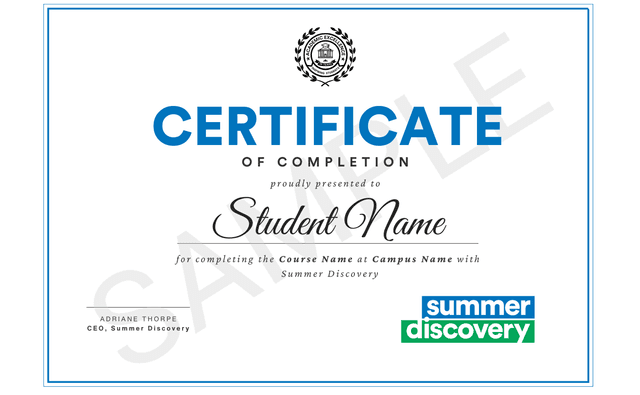
Summer Discovery Certificate of Completion
After successfully finishing this course, you will be awarded a certification completion for your accomplishment.
*This is a preview, not what you will receive