
More reasons to enroll early: Save $250 on tuition + 50% off your deposit. Enroll by Oct 31.
Design and lead a community impact project in this three-week civic engagement course for high school students on Yale University’s campus.
Course Description
Passion can start a movement. Turning it into lasting change means listening to people, understanding the problem, and trying a thoughtful response.
In this course you will compare how nonprofits, philanthropy, government, businesses, and community groups tackle social challenges. Cases and team design challenges help you identify who is affected, who holds power, and whose perspective needs to be heard.
Human-centered design starts with people’s needs; systems thinking examines how parts of a problem connect. A theory of change links an action to its intended result. Use these approaches to solve problems creatively, measure impact, and explore how a different story can change how people see an issue.
Your team will plan and lead a community impact day, choosing its purpose, audience, partners, activities, responsibilities, and measures of progress. A personal leadership narrative captures the values and experiences you want to bring to future community work. You can earn 10+ volunteer credit hours by planning, preparing for, and carrying out the community impact day of service. Time spent on the rest of the course does not count towards volunteer hours.
This three-week course for high school students is part of Summer Discovery’s Institute for the Gifted program on Yale University’s campus in New Haven, Connecticut. Beyond class, students connect focused academic work with campus life, growing independence, and clearer direction about what they may want to study or pursue next.
What Will You Do?
• Compare how different organizations work toward social change
• Map people’s interests, influence, and power around an issue
• Use human-centered design and systems thinking on a challenge
• Link planned actions with results in a theory of change
• Choose practical measures for community impact
• Plan and lead a student-directed community impact day
Learning Outcomes
By the end of the course, students will be able to:
• Explain how communities, power, and connected systems shape a social challenge
• Connect people’s needs with actions and intended results
• Use evidence to evaluate a collaborative community project
You’ll leave with your community impact plan, personal leadership narrative.
Why Civic Engagement and Social Impact Skills Matter
Civic engagement requires people to understand a community before deciding how to help. Stakeholder analysis shows who experiences a problem, who holds influence, and whose perspective may be missing. Systems thinking reveals how policies, resources, incentives, and relationships can reinforce one another.
A theory of change then connects a proposed action to the result it is meant to produce. Students learn to test assumptions, define evidence of progress, and revise a plan when it does not match community needs. Those habits support ethical leadership, collaboration, project planning, and more responsible decision-making in any effort to create change.
Who Should Attend?
For students who have completed 9th, 10th, 11th, or 12th grade.
An issue you care about can lead to questions about how change actually happens. This course suits interests in public service, nonprofits, philanthropy, government, and social entrepreneurship. You’ll consider different perspectives and take responsibility for part of a public-facing community impact day, working with others to turn concern into a thoughtful plan. Previous leadership experience is not required.
Institute for the Gifted eligibility requirements apply; see the program FAQ. A completed program application is required.
Civic Engagement in Action
Community work can involve a nonprofit, a neighborhood group, a public agency, or a business responding to a social issue. Each has different responsibilities, resources, and relationships. A project needs to understand those differences before choosing an action and a way to assess its effect.
Students try that process through stakeholder mapping, a theory of change, and a community impact day. The personal leadership narrative offers another way to reflect on what matters to them. They can continue exploring public service, policy, nonprofit work, or social entrepreneurship while asking how a proposed change connects with the people it is intended to help.
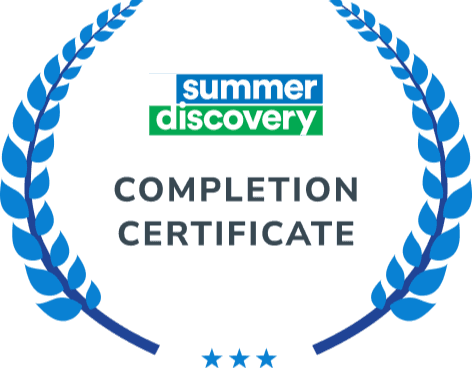
After successfully finishing this course, you will be awarded a certification completion for your accomplishment.
*This is a preview, not what you will receive
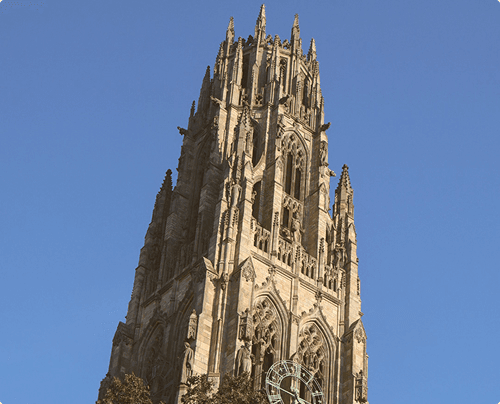
Yale University
Yale University
Yale University
Yale University