
More reasons to enroll early: Save $250 on tuition + 50% off your deposit. Enroll by Oct 31.
Research an injustice and propose action in this 3-week human rights program for high school students on Yale University’s campus.
Rated 4.2 out of 5 for the instructor by students who took this course in 2026.
Course Description
A proposed response to injustice has to consider more than good intentions. Trace who is involved, who could help, and what an action might change.
In this course you will examine human-rights issues through the people and institutions around them: victims, those responsible, bystanders, potential defenders, governments, nongovernmental organizations, media, and the laws that can protect rights or allow abuses to continue.
The Universal Declaration of Human Rights introduces universality, dignity, equality, and interdependence. Current national and global cases give those principles something to test against. Create concept maps and human-rights trees, examine the role of media, and investigate how democratic participation and social movements can create pressure for change.
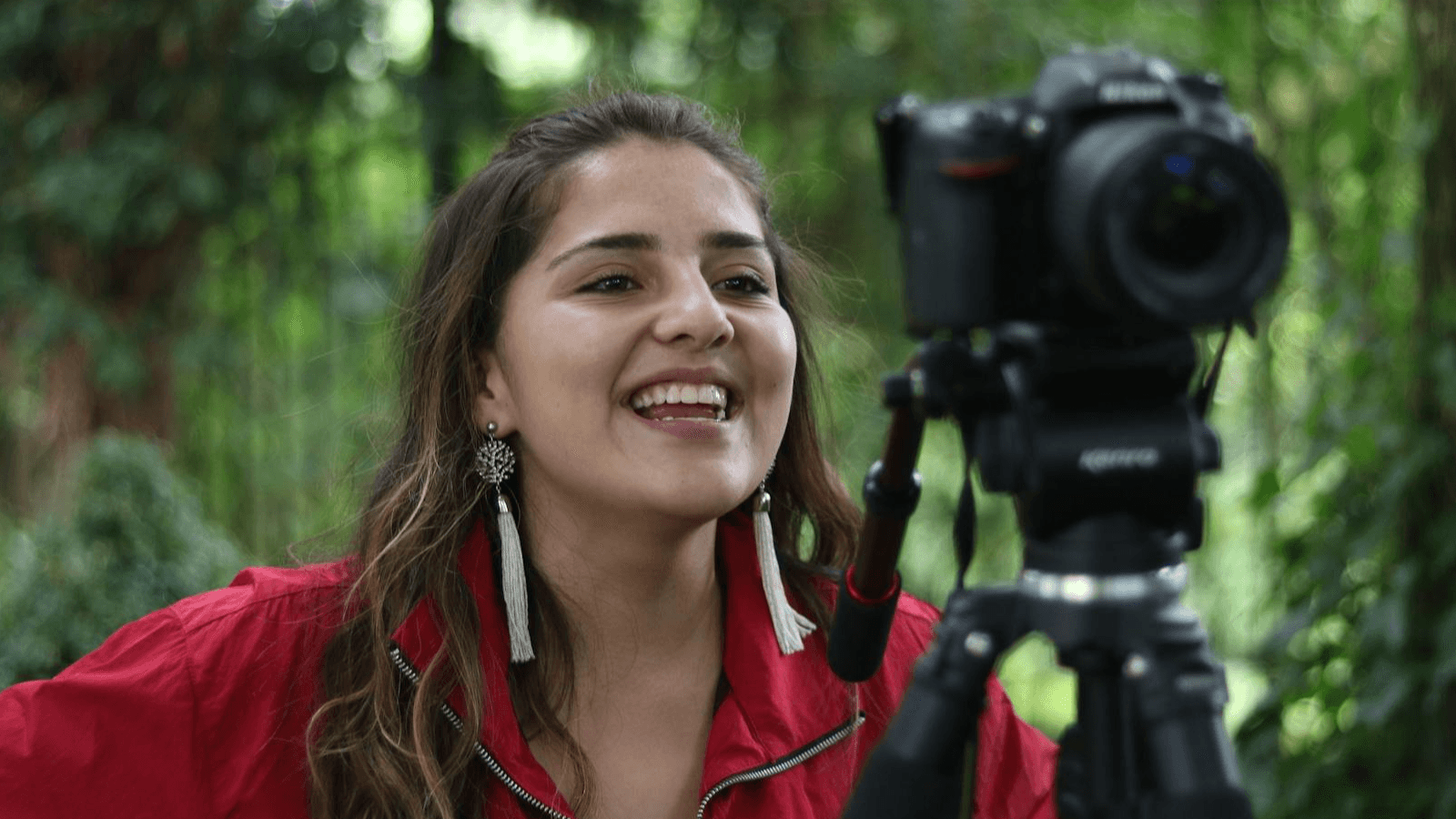
Choose an issue and map four groups: the victimized, those responsible, potential benefactors, and bystanders. Your position paper defines the violation, traces root causes, and weighs political, economic, and social effects. Then propose a sustainable youth-activism strategy. Identify resources and responsible organizations, consider possible negative consequences, and present your plan through video, slides, an infographic, or another approved medium.
This three-week course is part of Summer Discovery’s Institute for the Gifted program on Yale University’s campus. The course is available to residential and commuter students.
What You Will Do
• Apply the Universal Declaration of Human Rights to current cases
• Create concept maps and a human-rights tree linking rights to social conditions
• Research victims, responsible actors, defenders and bystanders in one injustice
• Evaluate how media, government and civil society shape public action
• Write a position paper defining causes, effects and possible solutions
• Design and present a sustainable youth-activism strategy
Learning Outcomes
By the end of the course, students will be able to:
• Analyze a human rights issue using international principles and multiple stakeholder perspectives
• Evaluate how laws, institutions, media and advocacy influence possible change
• Construct and present a researched action proposal with measurable goals
You’ll leave with your human-rights position paper, media presentation, and a certificate of completion.
Why Human Rights Analysis Skills Matter
Human rights analysis requires students to connect a principle to the institutions and choices that affect real people. They must define the right at stake, investigate who holds power, compare sources and distinguish awareness from an action that could change conditions.
Designing a response adds strategic thinking. A proposal needs a clear audience, realistic partners, communication channels, resources and a way to assess effectiveness over time. Building that case develops research, argument, media literacy and the ability to present a position while recognizing complexity and competing perspectives.
Who Should Attend?
For students who have completed 9th, 10th, 11th, or 12th grade.
If an injustice makes you want to understand how change could happen, this course lets you investigate a responsible response. Human rights, politics, law, democracy, and advocacy connect through research and an action proposal. You’ll examine serious issues, compare sources, consider perspectives you may not share, and present a supported position. No single political viewpoint is expected.
Institute for the Gifted eligibility requirements apply; see the program FAQ.
Recommended by Nearly 9 out of 10 Students
Based on students surveyed in 2026 about Summer Discovery programs at Yale University campus.
Your Summer at Yale University
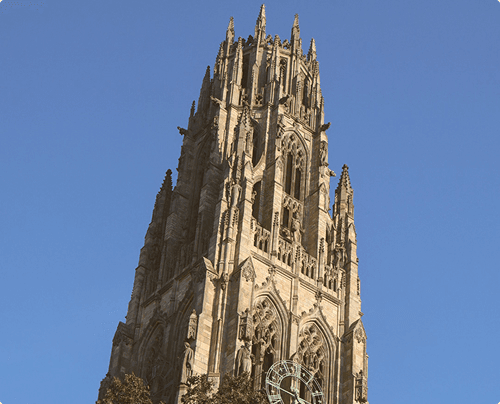
The Institute for the Gifted program takes place on Yale University’s campus in New Haven, Connecticut.
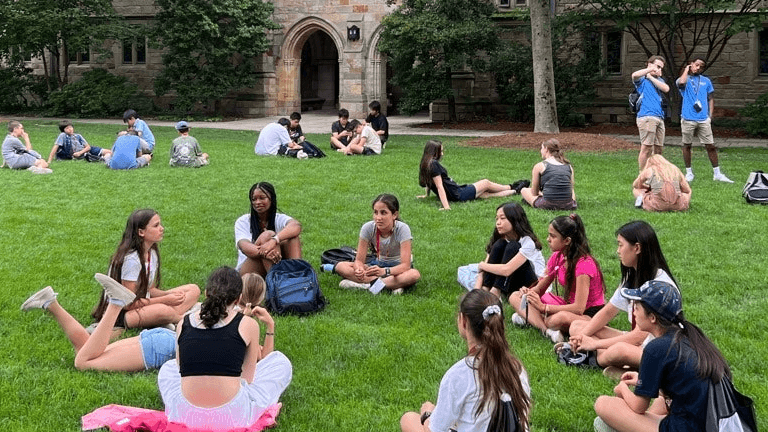
The campus’s courtyards, architecture, libraries, and academic spaces create a vivid setting for learning beyond a familiar school environment, while New Haven’s connections to law, theater, science, and the arts extend that context into the city. Students learn alongside peers with similar interests, navigate campus life, and gain independence through everyday choices. The experience creates space to deepen an interest, test it in a more advanced setting, and consider what they may want to study or pursue next.
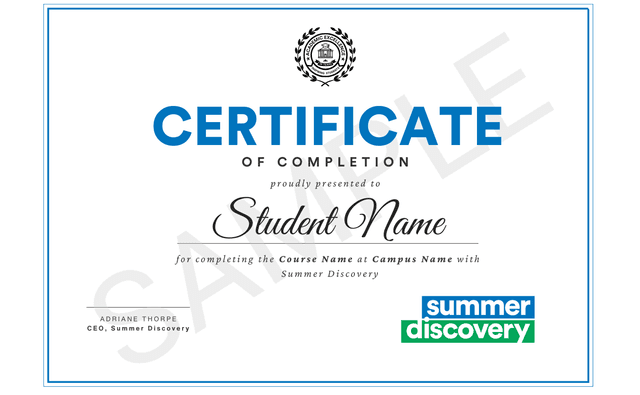
Summer Discovery Certificate of Completion
After successfully finishing this course, you will be awarded a certification completion for your accomplishment.
*This is a preview, not what you will receive