

More reasons to enroll early: Save $250 on tuition + 50% off your deposit. Enroll by Oct 31.
Practice clinical skills and map healthcare pathways in this 2-week program for high school students at UC Berkeley.
Rated 4.8 out of 5 for classroom experience by students who took this course in 2026.
Course Description
A simulated clinical case puts more than scientific knowledge to work. Practice a skill, compare responses, and see how a healthcare team makes decisions.
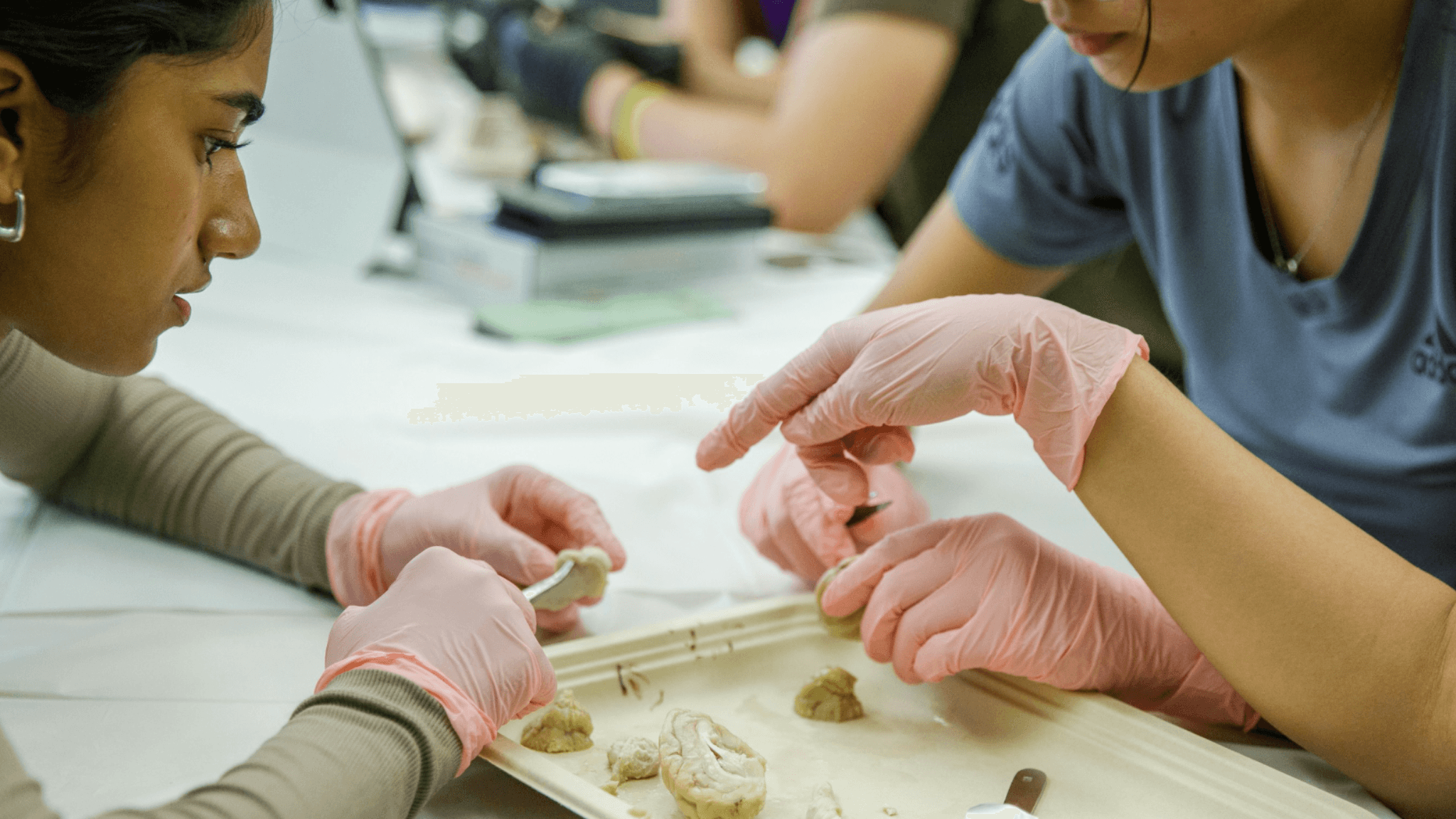
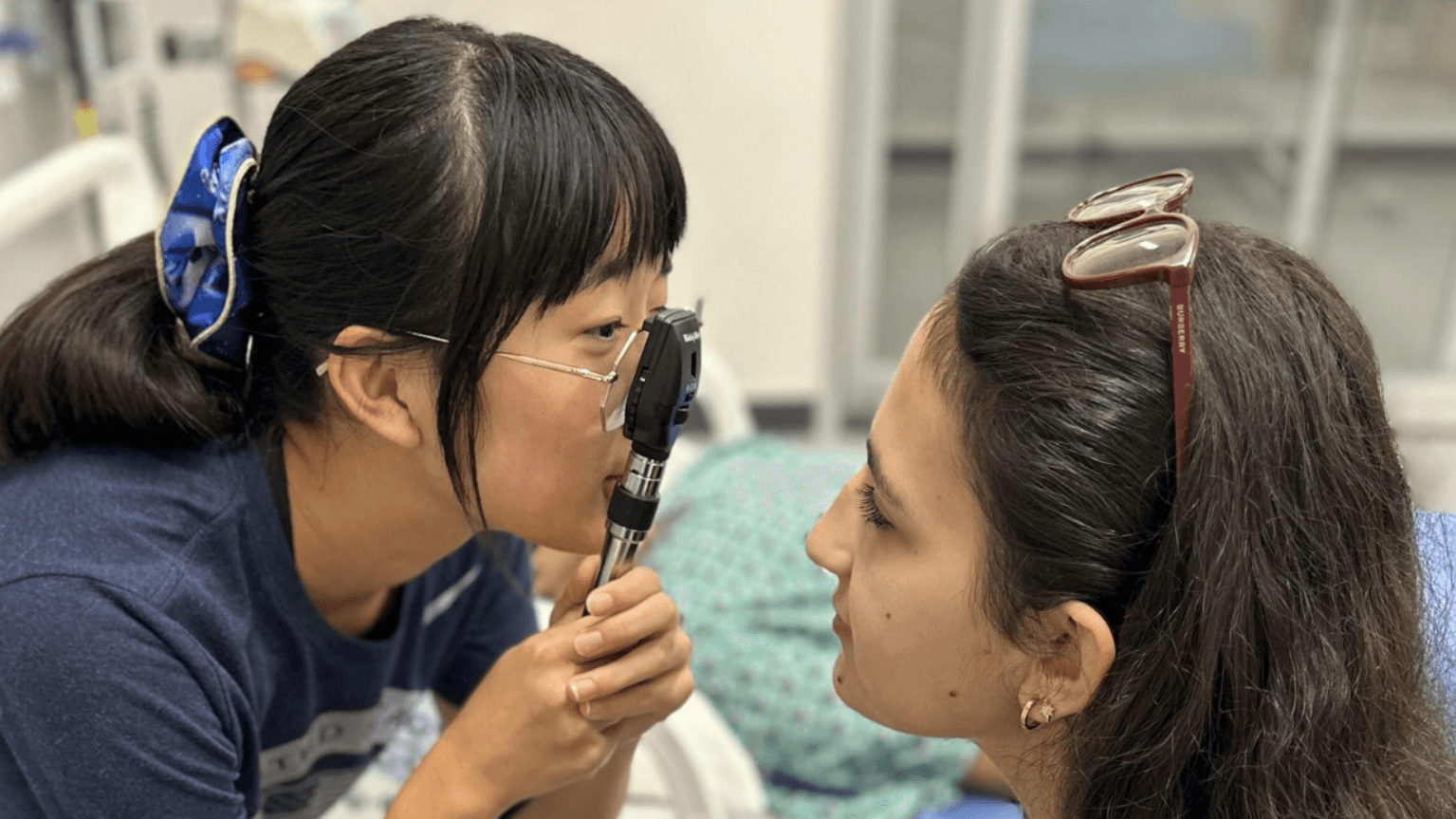
In this course you will explore health professions through expert-led simulations. Suturing, dissection, trauma response, clinical diagnostic exercises, cases, and discussion introduce the practical and interpersonal demands of healthcare. Work through the information, suggest a response, and consider how different professionals contribute.
Compare undergraduate, graduate, and postgraduate routes into medicine, nursing, physician-assistant practice, research, and healthcare administration. For your capstone, choose a health profession and follow fictional people from different backgrounds through its possibilities. Academic choices, extracurricular preparation, specialization, research, entrepreneurship, leadership, wellness, and public-health challenges all help shape their paths.
Each student develops and presents at least one case within a team presentation. Discussion and feedback help you explain the choices behind a pathway and what you want to investigate further.
This two-week full-day academy is part of Summer Discovery at UC Berkeley, held on the university’s campus. Students spend the full program focused on one intensive academy. The academy is available to residential and commuter students.
A supplemental course fee of $195 applies.
What You Will Do
• Practice suturing and other supervised technical skills
• Participate in trauma-response and clinical diagnostic simulations
• Use case studies to analyze healthcare decisions
• Explore how multidisciplinary teams coordinate patient care
• Research education and branching paths for a health profession
• Create and present a case-based career pathway project
Learning Outcomes
By the end of the course, students will be able to:
• Use case evidence and team perspectives to reason through simulated clinical decisions
• Compare the responsibilities and education of selected health professions
• Explain how academic and professional choices shape a healthcare career pathway
You’ll leave with your career-pathway case and a certificate of completion.
Why Clinical Medicine Skills Matter
Healthcare skills combine technical accuracy with communication and teamwork. A trauma or diagnostic scenario asks students to notice relevant information, coordinate roles, and explain why a response is appropriate. Practicing in simulations makes the reasoning visible and creates room for feedback.
Career-pathway research adds long-term perspective. Students learn that health professions require different education, responsibilities, and strengths. Connecting those facts to a case helps them make more informed choices about coursework and exploration without treating any one pathway as the default.
Who Should Attend?
For students who have completed 9th, 10th, 11th, or 12th grade.
If you’re drawn to biology, patient care, emergency response, or research, this academy lets you try supervised activities and explore where those interests might lead. Cases and teamwork make the decisions behind healthcare more concrete, while a career-pathway project gives you room to investigate a profession. High school biology, basic physiology, and basic anatomy are helpful preparation.
Recommended Program
Based on students surveyed in Summer Discovery’s 2026 UC Berkeley program.
Your Summer at UC Berkeley
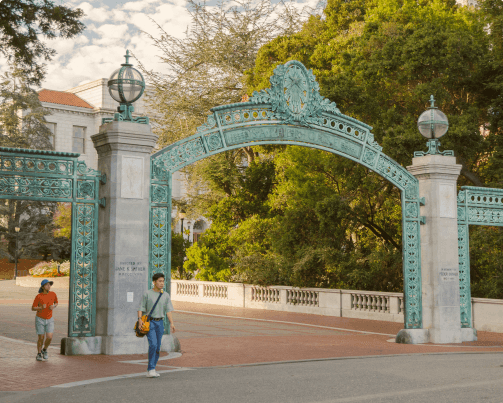
UC Berkeley gives high-school students the opportunity to pursue serious academic exploration in a campus environment shaped by scientific inquiry, new ideas, and an active connection to the wider Bay Area. The Berkeley Hills, distinctive architecture, and green spaces make the experience feel different from an ordinary school routine.
Students learn alongside peers, become more independent, and experience the pace and possibility of university life. The Bay Area context adds exposure to a region influenced by research, technology, entrepreneurship, culture, and public debate. For families, the value is not campus prestige alone. It is the combination of academic depth, community, and a student gaining clearer insight into the subjects, environments, and possible directions that genuinely motivate them.
After successfully finishing this course, you will be awarded a certification completion for your accomplishment.
*This is a preview, not what you will receive