
More reasons to enroll early: Save $250 on tuition + 50% off your deposit. Enroll by Oct 31.
Assess patient cases and design treatments in this 2-week psychiatry and neuroscience program for high school students at UC Berkeley.
Rated 4.7 out of 5 for classroom experience by students who took this course in 2026.
Course Description
A patient’s symptoms may point in several directions. Put the brain, behavior, history, and environment together before considering a clinical explanation.
In this course you will connect neuroscience fundamentals with the realities of mental healthcare, investigating what different kinds of evidence reveal about a diagnosis or treatment approach.
Students map neurotransmitters and neural pathways, examine brain anatomy in a guided lab, and work through cases involving dementia, psychosis, mood disorders, trauma, eating disorders, and substance use. Role-play and simulations place them in the work of patient interviewing, mental status examination, ethics review, and multidisciplinary treatment planning. Discussions also challenge stigma and compare clinical evidence with simplified media portrayals.
Across the academy, students reflect on the strengths, knowledge, and next steps involved in exploring a brain-science health career. Their capstone brings that reflection into a practical plan, which they develop with structured work time and present to classmates and instructors. Repeated case discussions help them connect scientific detail with careful, humane communication across different clinical perspectives.
This two-week full-day academy is part of Summer Discovery at UC Berkeley, held on the university’s campus. Students spend the full program focused on one intensive academy. The academy is available to residential and commuter students.
What You Will Do
• Map neurotransmitters and connect neural pathways to clinical conditions
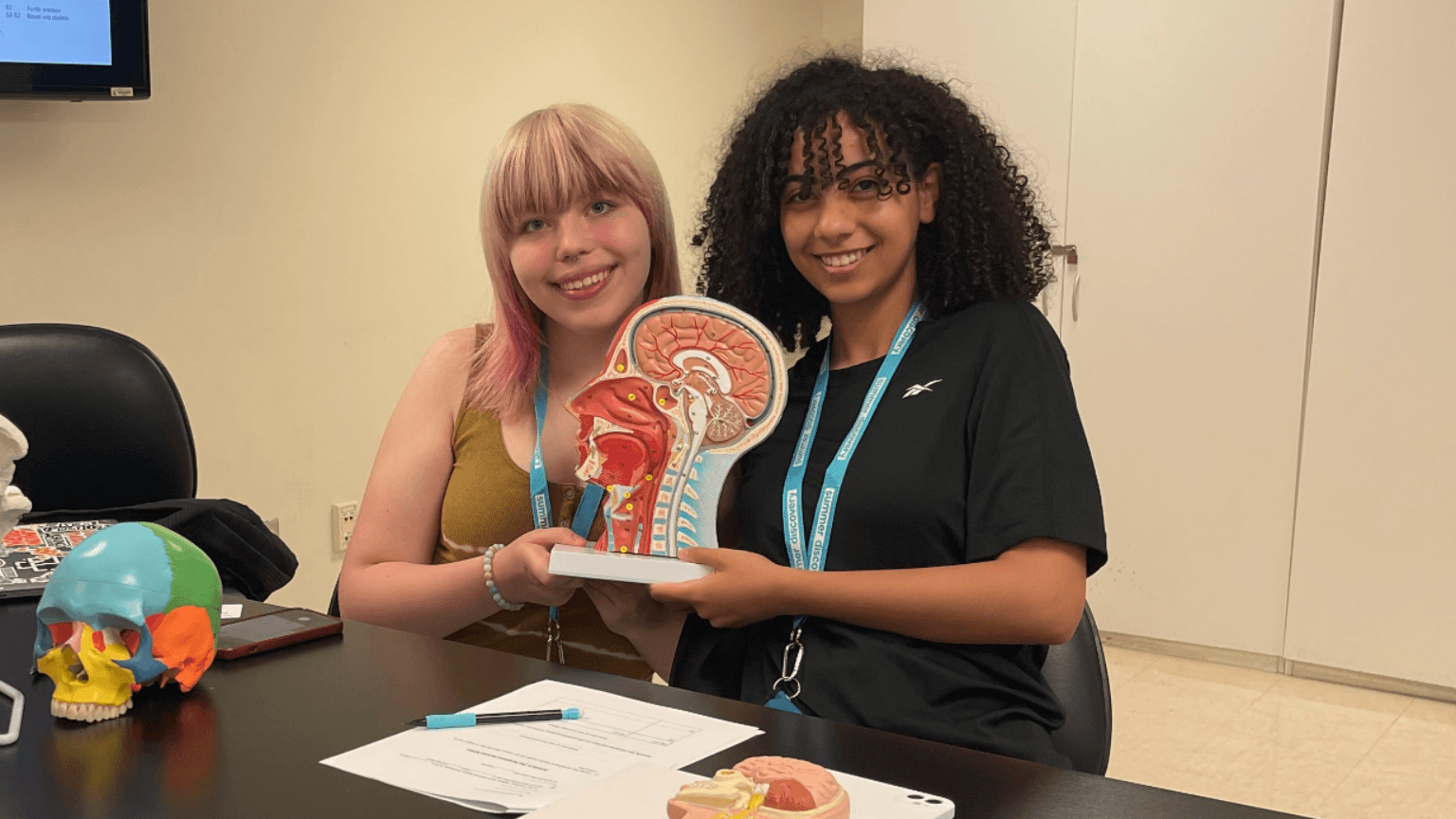
• Examine brain anatomy through a guided laboratory activity
• Conduct a patient interview and complete a mental status examination
• Evaluate psychiatry cases in an ethics board simulation
• Design multidisciplinary treatment plans for complex patient scenarios
• Present a capstone plan for continued exploration of brain-science careers
Learning Outcomes
By the end of the course, students will be able to:
• Explain how neural mechanisms and clinical evidence inform mental-health assessment
• Apply ethical and multidisciplinary reasoning to patient cases and treatment plans
• Conduct and communicate a structured analysis of a psychiatric scenario
You’ll leave with your clinical case work, personal exploration plan, and a certificate of completion.
Why Clinical Neuroscience Skills Matter
Psychiatry and neuroscience require careful reasoning because biological mechanisms, lived experience, behavior, and social context can all shape a case. Students practice gathering relevant information, distinguishing observation from assumption, and connecting a treatment decision to evidence and ethics.
Patient simulations strengthen communication and perspective-taking. Treatment-plan workshops require students to weigh medical, psychological, and social needs rather than reaching for one simple answer. Ethics reviews add questions of consent, fairness, stigma, and responsibility. These habits matter in medicine and mental health, and they also strengthen how students evaluate sensitive information, discuss difficult topics, and make reasoned decisions when evidence is incomplete.
Who Should Attend?
For students who have completed 9th, 10th, 11th, or 12th grade.
Curiosity about the brain can lead to questions about the decisions behind mental healthcare. This academy gives you cases to think through. Role-play, group planning, and presentations offer ways to explore psychiatry, neuroscience, psychology, public health, and related fields. No clinical experience is expected.
The course addresses mental illness, trauma, eating disorders, and substance use. Students and families should consider this mature subject matter when deciding on fit; respectful discussion is central to the work.
Recommended Program
Based on students surveyed in Summer Discovery’s 2026 UC Berkeley program.
Your Summer at UC Berkeley
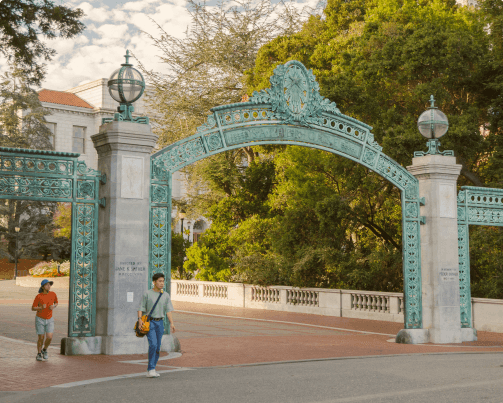
UC Berkeley gives high-school students the opportunity to pursue serious academic exploration in a campus environment shaped by scientific inquiry, new ideas, and an active connection to the wider Bay Area. The Berkeley Hills, distinctive architecture, and green spaces make the experience feel different from an ordinary school routine.
Students learn alongside peers, become more independent, and experience the pace and possibility of university life. The Bay Area context adds exposure to a region influenced by research, technology, entrepreneurship, culture, and public debate. For families, the value is not campus prestige alone. It is the combination of academic depth, community, and a student gaining clearer insight into the subjects, environments, and possible directions that genuinely motivate them.
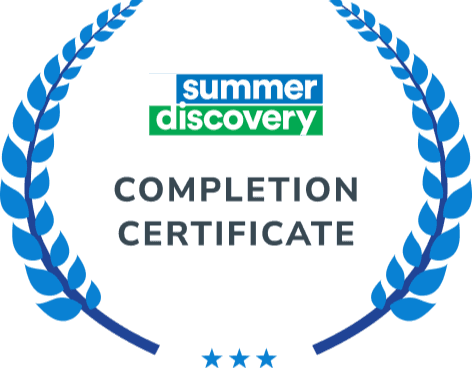
After successfully finishing this course, you will be awarded a certification completion for your accomplishment.
*This is a preview, not what you will receive