
Enroll early for Summer 2027 to secure your preferred campus and program.
Explore laboratory chemistry and present team research in a two-week high school academy hosted by UC Berkeley’s College of Chemistry.
Course Description
Put a laboratory result to the test. What does a measurement tell you, and what would you need to investigate next? Explore those questions through chemistry research, guided experiments and conversations with Berkeley researchers.
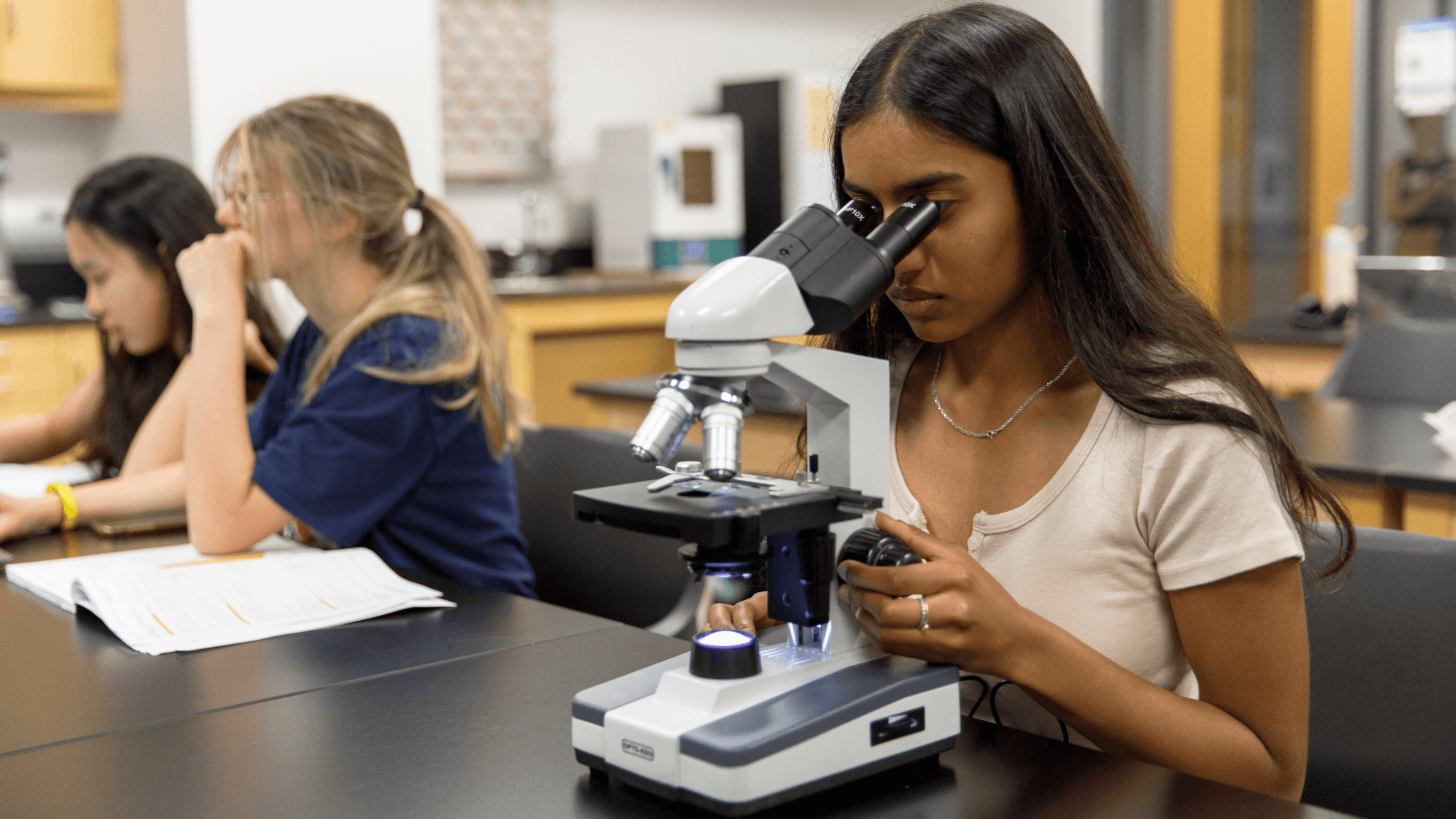
Practice laboratory safety, measurement and titration through guided lab rotations, then explore spectroscopy, synthesis and separation methods. Faculty talks connect these techniques to research in chemistry, chemical biology, chemical engineering and materials science. Consider why researchers choose a particular method and how the observations it produces can support an explanation. The emphasis is on understanding how a technique contributes to an investigation, alongside practicing the laboratory work itself.
Work in a small team with graduate-researcher mentors, read scientific literature and shadow experiments in a working university lab. Develop research questions and discuss how observations, data and published research support a conclusion. Bring the investigation together in a research poster and oral presentation for the closing symposium. Explaining your team’s findings gives you practice connecting a question, a method and the evidence, while showing what remains uncertain and what you would want to explore further.
This two-week pre-college chemistry academy for high school students is hosted by UC Berkeley’s College of Chemistry with Summer Discovery on UC Berkeley’s campus in Berkeley, California. Department of Chemistry faculty and student researchers lead the instruction and mentorship.
This course requires a prerequisite: Prior coursework in intermediate to AP Chemistry
What You Will Do
• Practice safe laboratory techniques and record observations
• Investigate solutions through measurement and titration
• Explore spectroscopy, synthesis, and separation methods
• Connect lab techniques to current research in faculty talks
• Read scientific literature and shadow graduate researchers
• Present team findings through a poster and research symposium
Learning Outcomes
By the end of the course, students will be able to:
• Explain how chemistry techniques produce evidence for research questions
• Use scientific observations and literature to support research conclusions
• Communicate a mentor-guided investigation through a poster and oral presentation
You’ll leave with your team’s research poster and symposium presentation, and a certificate of completion.
Why Chemistry Research Skills Matter
A lab result only becomes useful when you understand how it was measured. Comparing techniques such as titration and spectroscopy helps students see why researchers choose different methods and how careful observations shape an explanation.
Reading scientific research and discussing findings with mentors adds another challenge: deciding what the evidence supports and what remains uncertain. These habits of precise measurement, thoughtful interpretation, and clear scientific communication are useful for further study in chemistry, materials science, chemical engineering, and related fields.
Who Should Attend?
For students who have completed 10th, 11th, or 12th grade and have taken coursework in Chemistry.
If you’ve enjoyed chemistry class and want to see what happens inside an active research lab, this academy offers a closer look. You’ll explore laboratory methods, learn how Berkeley researchers investigate questions, and work with a team toward a closing symposium. Come prepared to read scientific literature, discuss evidence, record observations and explain your thinking to others.
The course outline is designed for students who have already completed chemistry coursework and are interested in reading and discussing scientific research.
Your Summer at UC Berkeley
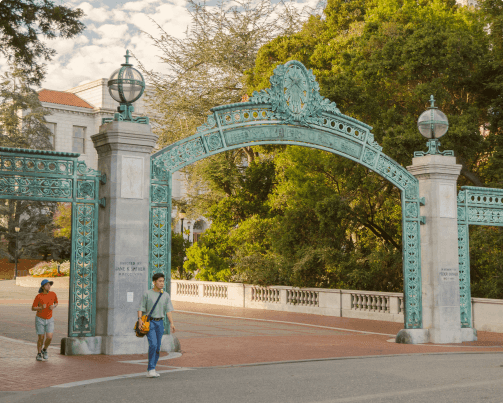
UC Berkeley gives high-school students the opportunity to pursue serious academic exploration in a campus environment shaped by scientific inquiry, new ideas, and an active connection to the wider Bay Area. The Berkeley Hills, distinctive architecture, and green spaces make the experience feel different from an ordinary school routine.
Students learn alongside peers, become more independent, and experience the pace and possibility of university life. The Bay Area context adds exposure to a region influenced by research, technology, entrepreneurship, culture, and public debate. For families, the value is not campus prestige alone. It is the combination of academic depth, community, and a student gaining clearer insight into the subjects, environments, and possible directions that genuinely motivate them.
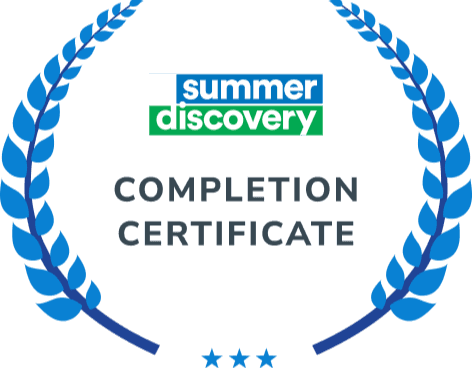
Summer Discovery Certificate of Completion
After successfully finishing this course, you will be awarded a certification completion for your accomplishment.
*This is a preview, not what you will receive