

More reasons to enroll early: Save $250 on tuition + 50% off your deposit. Enroll by Oct 31.
Build persuasive spoken Spanish through the Rassias Method in this two-week Dartmouth academy for high school students.

Course Description
Make your point in Spanish, then respond when someone challenges it. Listening closely and finding the words in the moment are part of what makes a conversation work.
In this course you will strengthen spoken Spanish through Dartmouth’s Rassias Method. Dramatic techniques, rhythmic drills, rapid reinforcement, and an atmosphere where mistakes are part of learning encourage natural speech. Lead classes, reinforcement sessions, group lunches in Spanish, and cultural programming keep you returning to the language throughout the day.
Debates and negotiations put grammar and persuasive vocabulary to use in business, politics, law, and leadership contexts. Practice forming an argument, answering counterarguments, and adapting your choices to Spanish-speaking cultures. A phrase first tried in a drill may return in an unscripted response.
The academy builds toward an approximately 15-minute verbal presentation on a topic you’ve studied or care about, followed by questions and answers. Organizing a sustained argument and responding in the moment connect language study with purposeful communication.
This two-week full-day academy for high school students is part of Dartmouth Precollege Summer Scholars in Hanover, New Hampshire. The academy is fully developed and run by Dartmouth and taught by Dartmouth faculty and expert instructors. Residential and commuter options are available.
What You Will Do
• Practice spoken Spanish through dramatic techniques and rhythmic drills
• Build persuasive vocabulary for business, politics, law, and leadership
• Speak Spanish in discussions and group lunches
• Defend arguments in debates and negotiations
• Adapt responses to counterarguments and Spanish-speaking cultural contexts
• Deliver an approximately 15-minute presentation with questions and answers
Learning Outcomes
By the end of the course, students will be able to:
• Choose vocabulary and persuasive strategies suited to a Spanish-speaking audience
• Form arguments and respond to counterarguments in spoken Spanish
• Sustain a clear spoken explanation and respond to questions in the moment
You’ll leave with your completed oral presentation and a certificate of completion.
Why Persuasive Spanish Skills Matter
Persuasive Spanish requires more than translating an argument word for word. Speakers must choose vocabulary, organize ideas, listen closely, respond quickly, and account for cultural context.
The Rassias Method develops those abilities through repeated speech, rhythmic drills, dramatic reinforcement, and an atmosphere where mistakes are part of learning. Debates, negotiations, and presentations then give students a reason to use the language with purpose. These skills support advanced language study and strengthen communication for international relations, business, law, medicine, education, journalism, government, and global service.
Who Should Attend?
For students who have completed 9th, 10th, 11th, or 12th grade.
For students who want to use Spanish more readily in conversation, this academy makes speaking the center of the day. An interest in culture, debate, public speaking, or international affairs gives you plenty to bring to the discussion.
Expect frequent participation, rapid drills, responses to classmates, and a presentation in Spanish. This is an oral-intensive environment, with more emphasis on listening and speaking than extended reading or writing.
Recommended by 9 out of 10 Students
Based on students surveyed in the Dartmouth Precollege Summer Scholars program (2026)
Your Summer at Dartmouth
Dartmouth Precollege Summer Scholars gives high school students a concentrated introduction to college-level learning in Hanover, New Hampshire. The intensive, noncredit academies are fully developed and run by Dartmouth and taught by Dartmouth faculty and expert instructors. Students explore current ideas through discussion, projects, and sustained work that helps them test an academic interest in depth.
Residential students live in Dartmouth residence halls, eat at 53 Commons, and can join workshops and counselor-supported evening and weekend activities. Time in Hanover and the Upper Valley adds a distinctive New England setting, while the broader experience helps students build independence and clarify what they may want to study next.
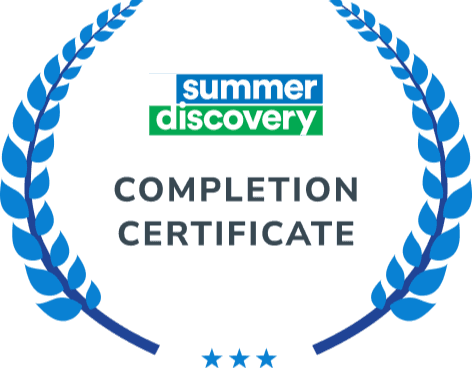
After successfully finishing this course, you will be awarded a certification completion for your accomplishment.
*This is a preview, not what you will receive