
More reasons to enroll early: Save $250 on tuition + 50% off your deposit. Enroll by Oct 31.
Work through patient-care simulations in this two-week Dartmouth medicine academy for high school students.
Course Description
A patient’s needs can change quickly. Working out what to do next means bringing evidence, communication, and the right people together.
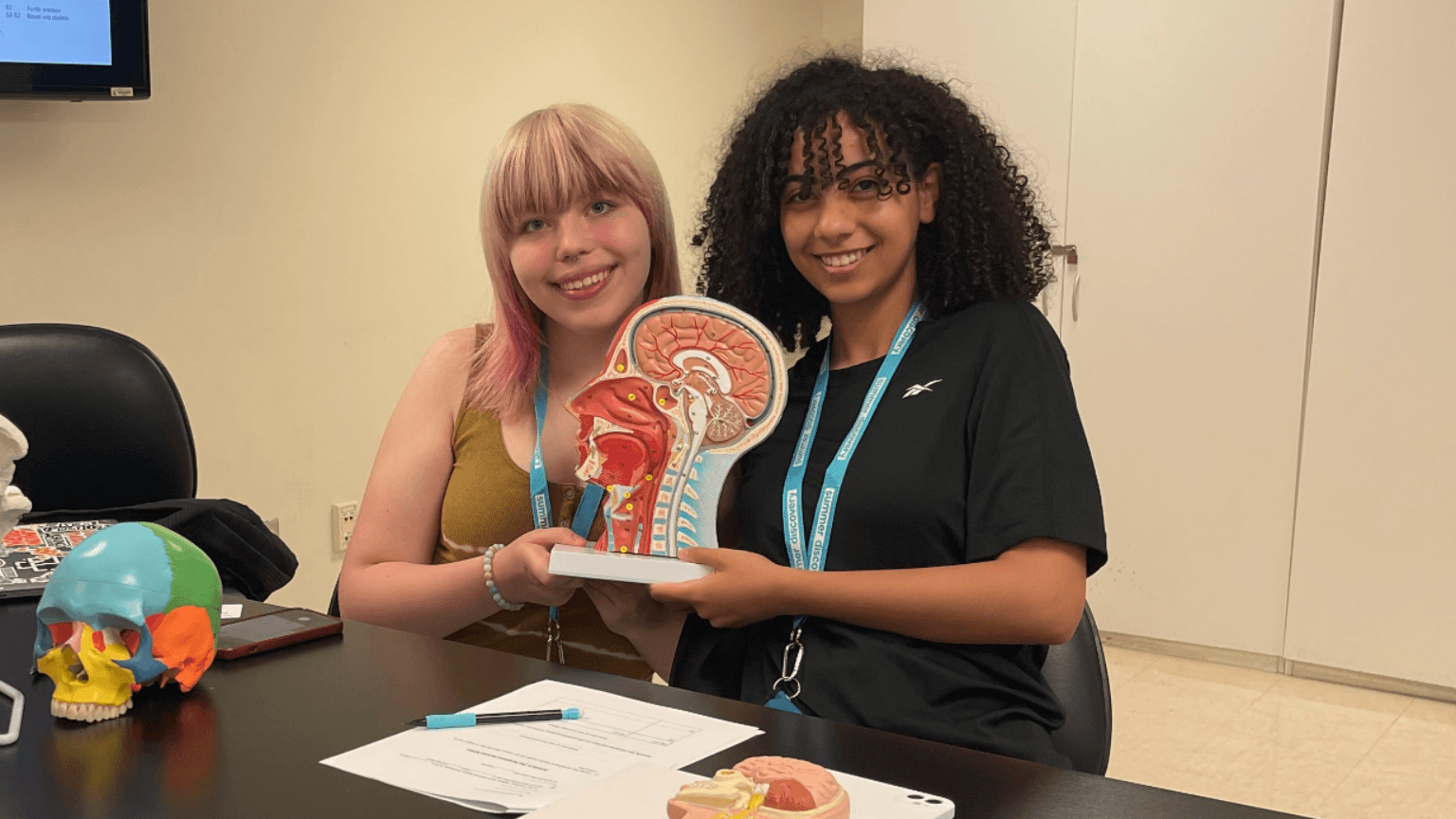
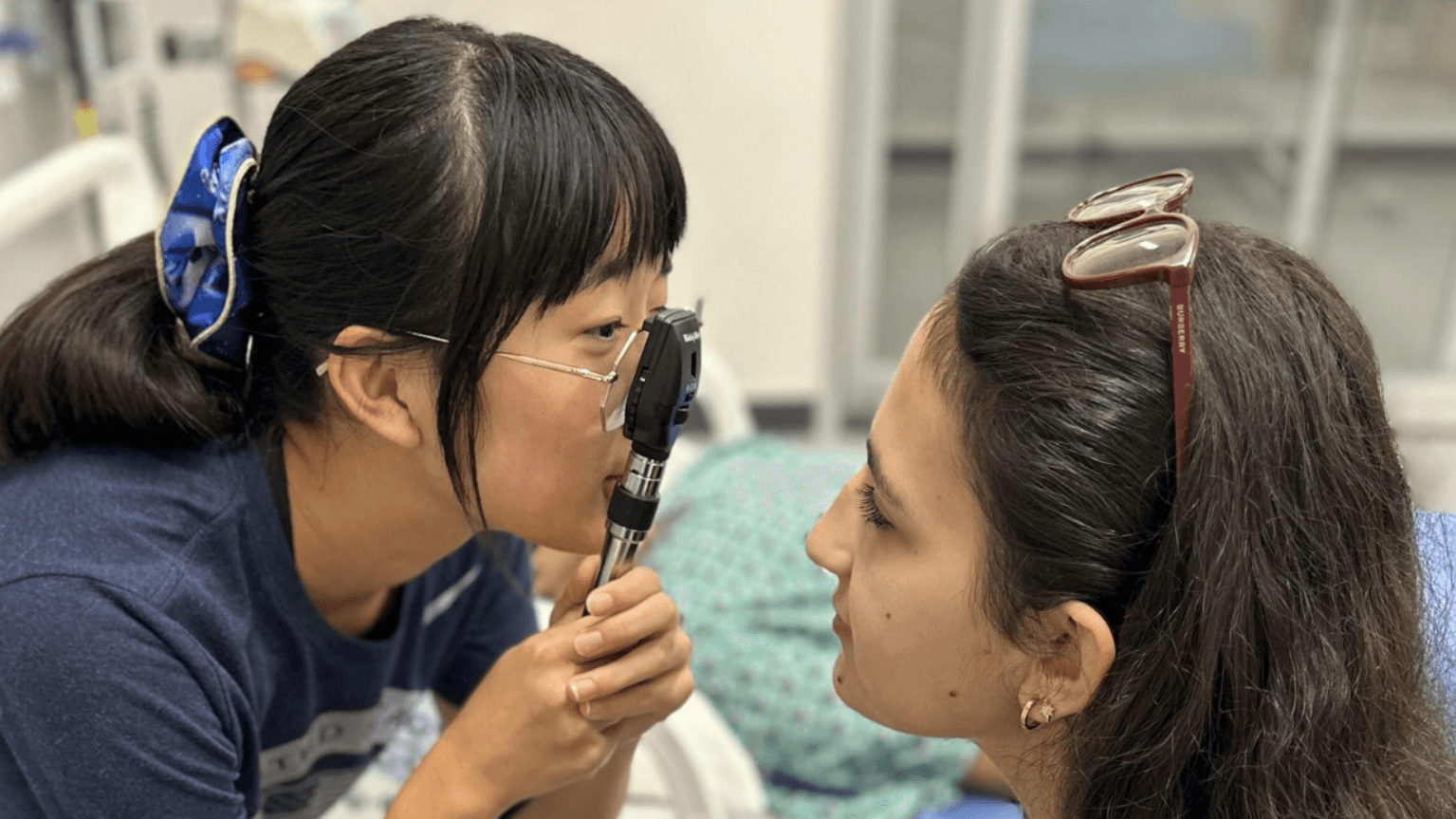
In this course you will follow healthcare from prevention and wellness through emergency response and acute care. Cases, clinical demonstrations, simulations, and conversations with healthcare professionals connect nutrition, epidemiology, and public health with the decisions made for an individual patient. Simulated scenarios ask you to interpret evidence, prioritize next steps, and explain your reasoning under pressure, including in emergency and trauma care.
Healthcare is also a team effort. Compare the roles of physicians, nurses, emergency responders, therapists, researchers, and public-health professionals, and practice patient communication. Moving between a patient’s situation and a community’s needs helps you see how prevention and clinical care overlap. It’s a way to explore healthcare through the scientific reasoning, coordination, and compassion the work requires.
This two-week full-day academy for high school students is part of Dartmouth Precollege Summer Scholars in Hanover, New Hampshire. The academy is fully developed and run by Dartmouth and taught by Dartmouth faculty and expert instructors. Residential and commuter options are available.
What You Will Do
• Connect prevention, nutrition, and epidemiology with community health
• Analyze patient cases using diagnostic reasoning
• Take part in clinical and emergency-response simulations
• Weigh next steps in trauma and acute-care scenarios
• Practice patient communication with a team
• Compare the roles of different healthcare professionals
Learning Outcomes
By the end of the course, students will be able to:
• Explain how prevention, public health, and emergency care connect
• Use evidence to reason through a simulated patient’s needs
• Explain how communication and professional roles contribute to coordinated patient care
You’ll leave with experience working through patient cases and clinical simulations and a certificate of completion.
Why Clinical Medicine Skills Matter
Clinical medicine asks students to combine scientific evidence with communication, teamwork, and decisions made under time constraints. A patient problem may involve prevention, diagnosis, acute care, and follow-up rather than one isolated answer.
Cases and simulations develop structured reasoning and the ability to explain a next step. Comparing professional roles shows why good care depends on coordination among clinicians, responders, researchers, therapists, and public-health teams. These skills matter across medicine, nursing, emergency care, public health, biomedical science, and healthcare administration.
Who Should Attend?
For students who have completed 9th, 10th, 11th, or 12th grade.
If you’re drawn to patient care or wonder how a healthcare team decides what to do, this academy lets you explore both. Medicine, nursing, emergency response, public health, and biomedical science come into view through cases and simulations. You’ll make decisions with classmates and explain your reasoning, including when a situation calls for a quick response.
Recommended by 9 out of 10 Students
Based on students surveyed in the Dartmouth Precollege Summer Scholars program (2026)
Your Summer at Dartmouth
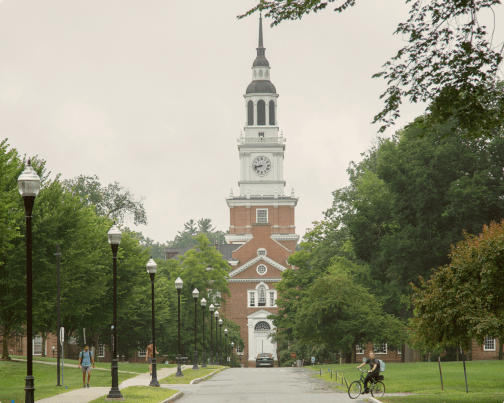
Dartmouth Precollege Summer Scholars gives high school students a concentrated introduction to college-level learning in Hanover, New Hampshire. The intensive, noncredit academies are fully developed and run by Dartmouth and taught by Dartmouth faculty and expert instructors. Students explore current ideas through discussion, projects, and sustained work that helps them test an academic interest in depth.
Residential students live in Dartmouth residence halls, eat at 53 Commons, and can join workshops and counselor-supported evening and weekend activities. Time in Hanover and the Upper Valley adds a distinctive New England setting, while the broader experience helps students build independence and clarify what they may want to study next.
After successfully finishing this course, you will be awarded a certification completion for your accomplishment.
*This is a preview, not what you will receive