
More reasons to enroll early: Save $250 on tuition + 50% off your deposit. Enroll by Oct 31.
Explore engineering disciplines and develop a team solution in this two-week Dartmouth engineering academy for high school students.
Instructor:
Course Description
Choose a problem worth solving, then consider which kind of engineer would approach it. A question about flight, a medical device or a piece of software can call for different knowledge, while sharing a process for developing a solution.
Through lectures and hands-on activities, explore how aerospace, biomedical, chemical, civil, electrical and other engineering disciplines address problems. The engineering design process provides a common framework for connecting those fields. Active learning gives you opportunities to work with the ideas, compare approaches and consider how a problem changes when you examine it through another discipline.
Guest speakers and field trips introduce practicing engineers and their day-to-day work. Those encounters give you a chance to ask how classroom concepts connect with the decisions professionals make. For the capstone, work in a small group to identify a real problem within a shared theme and choose the engineering discipline that best fits your proposed solution. Applying the design process together helps you explain the connection between the problem, your approach and the field you have chosen.
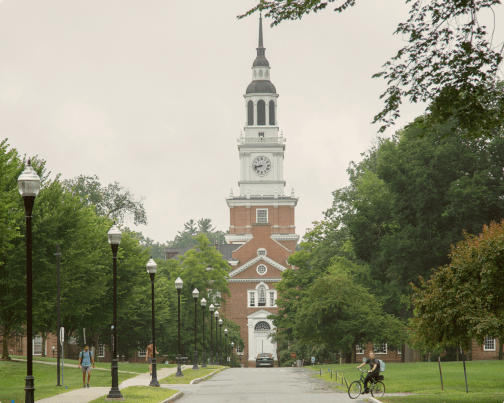
This two-week full-day academy for high school students is part of Dartmouth Precollege Summer Scholars in Hanover, New Hampshire. The program is developed and academically led by Dartmouth. Beyond class, students connect focused academic work with campus life, growing independence and clearer direction about what they may want to study or pursue next.

What Will You Do?
• Compare major engineering disciplines and the problems they address
• Explore engineering concepts through lectures and hands-on activities
• Use the engineering design process as a framework for solving problems
• Meet practicing engineers through guest speakers and field trips
• Identify a real problem with a small capstone team
• Develop a proposed solution using the engineering discipline that best fits

Learning Outcomes
By the end of the course, students will be able to:
• Describe major engineering disciplines and the problems each addresses
• Apply the engineering design process collaboratively to a real problem
• Connect course concepts with the work of practicing engineers
You’ll leave with your team’s capstone proposal and a clearer sense of which engineering fields and questions you want to explore through further study.

Why Engineering Skills Matter
Engineering starts with defining what needs to work and for whom. Considering a problem through more than one discipline helps students see why the same goal can lead to different approaches. A shared design process gives them a way to organize those choices and explain their reasoning.
Working in a team makes that reasoning visible. Students need to communicate an idea, listen to another approach and agree on how to move forward. Connecting their work with practicing engineers also helps them ask more specific questions about engineering study and the kinds of problems they might want to pursue.

Who Should Attend?
For students who have completed 9th, 10th, 11th or 12th grade.
If you’re curious about how people design things or solve technical problems, this academy gives you several engineering fields to investigate. You may already have a discipline in mind or want to compare possibilities before choosing what to study further. Expect to participate in hands-on activities, contribute to a small-group capstone and explain why your team’s chosen approach fits its problem. Conversations with practicing engineers give you a chance to connect those experiences with questions about further study and professional work.
After successfully finishing this course, you will be awarded a certification completion for your accomplishment.
*This is a preview, not what you will receive