
Enroll early for Summer 2027 to secure your preferred campus and program.
Explore the subjects behind medicine through lab experiences, career panels, and a final presentation in this two-week Dartmouth academy for high school students.
Instructor:
Course Description
Choose a medical career that catches your attention. Its work may depend as much on psychology, mathematics, and clear communication as it does on biology.
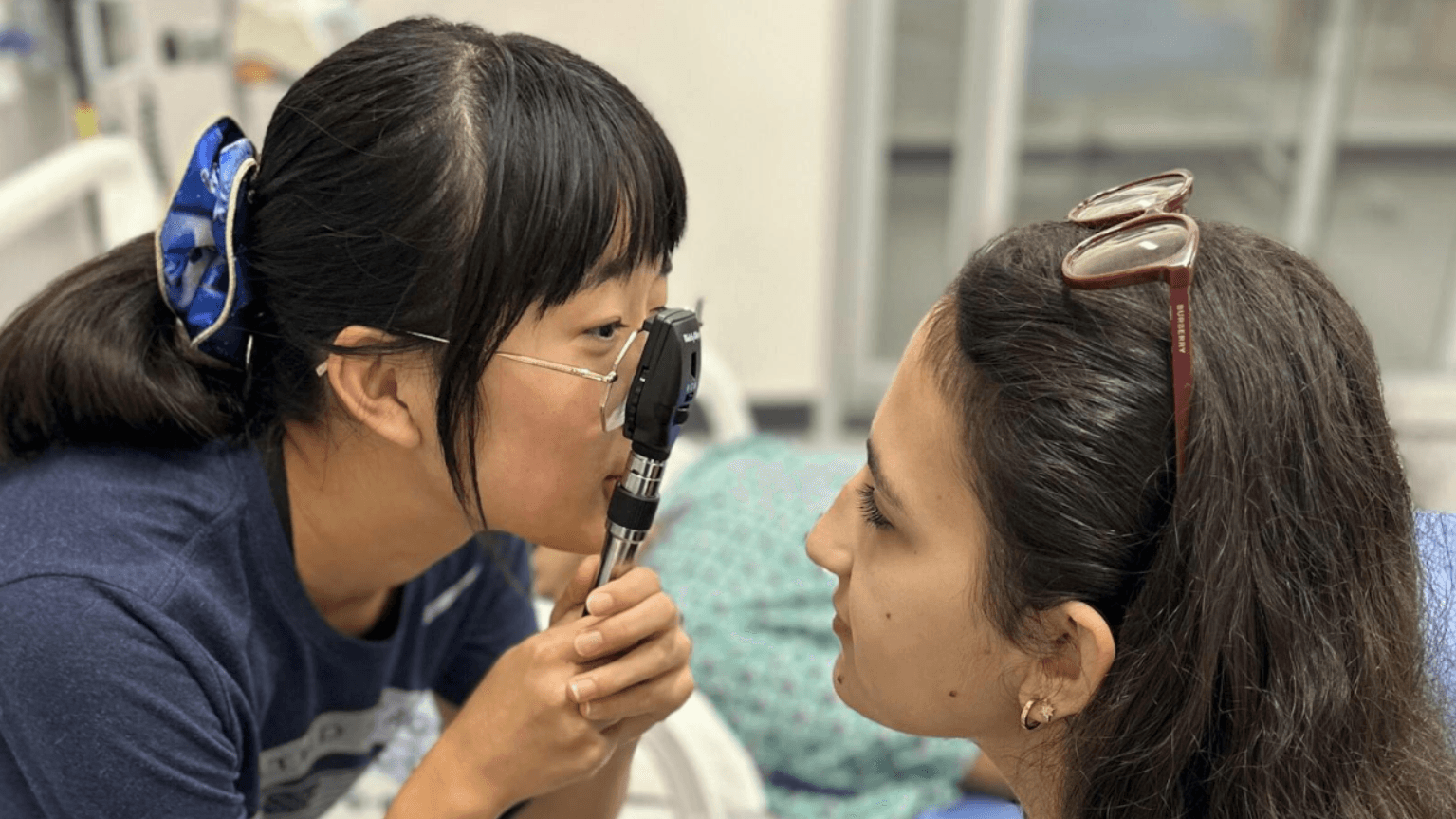
In this course you will investigate the subjects that form medicine’s foundation. Explore chemistry, biology, physics, psychology, sociology, mathematics, and writing through interactive laboratory demonstrations, hands-on skill-building exercises, and discussions with classmates. See how these subjects build on one another to support the knowledge used in medicine.
Meet current medical professionals during career panels and ask about their training, research, and work. Visits to Dartmouth facilities offer another view of the field. For a final presentation, choose a medical career or specialty and explain how several foundational subjects contribute to it. You’ll connect the course’s questions to possible directions for further study.
This course is part of the Meriden Valley program from Dartmouth Summer Scholars, open to students 14 and up. No prior experience in the subject is required.
Instructor Bio
Jessa Burling is a PhD student in the Integrative Neuroscience at Dartmouth (IND) program and an organizer of the Upper Valley Brain Bee, a community outreach event introducing local students to neuroscience. She works in the Doucette Lab, which investigates neuromodulation as a treatment for maladaptive behaviors following trauma exposure. A graduate of the University of Wisconsin–Madison with a BS in psychology, Spanish, and criminal justice, Jessa previously worked in a Boston laboratory studying Alzheimer’s disease. In Foundations in Medicine, she draws on experience across psychology, public health, and neuroscience research to help students see how foundational subjects connect with careers in medicine.
What You Will Do
• Practice foundational laboratory skills through guided exercises
• Explore medicine through interactive laboratory demonstrations
• Discuss connections among science and human behavior
• Visit Dartmouth facilities connected with medical learning
• Ask medical professionals about research and career pathways
• Present how core subjects inform a chosen medical specialty
Learning Outcomes
By the end of the course, students will be able to:
• Explain how science and social subjects contribute to medical knowledge
• Describe how laboratory skills support learning in medicine
• Connect medical careers with the disciplines that shape their work
You’ll leave with your individual or group medical-career presentation and a certificate of completion.
Why Foundations in Medicine Skills Matter
Medicine calls on people to connect evidence and ideas from different fields. Laboratory exercises introduce the methods behind scientific learning, while psychology and sociology show why medical questions also involve people and communities.
Learning to ask informed questions of professionals and explain how different subjects support a medical career builds research and communication habits. Those habits can help students explore later coursework and compare interests in medicine and related health sciences without having to decide on a specialty now.
Who Should Attend?
For students who have completed grades 8-12.
If you’re curious about medicine but unsure which part of the field interests you most, this academy gives you several paths to investigate. You’ll explore laboratory work, hear from medical professionals, and see how science, psychology, mathematics, and writing contribute to different roles.
The final presentation gives you a chance to look more closely at a career or specialty that interests you.
Your Summer at Dartmouth in Meriden Valley
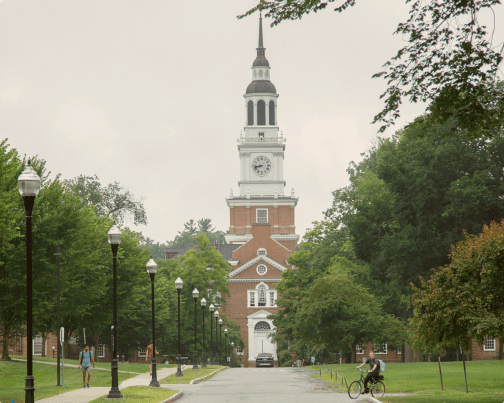
This course is part of the Meriden Valley program from Dartmouth Summer Scholars, open to students 14 and up regardless of prior coursework. Classes and housing are on KUA's 1,300-acre campus in Meriden, New Hampshire, a short drive from Dartmouth, where students receive the same high-quality academic experience as students on Dartmouth’s campus. Students live in modern, air-conditioned residence halls with a 1:8 staff ratio, and each session includes time on Dartmouth’s campus and a half-day field trip to Dartmouth’s research hospital. Completing this course may make students eligible for advanced courses in future summers of Dartmouth Summer Scholars.
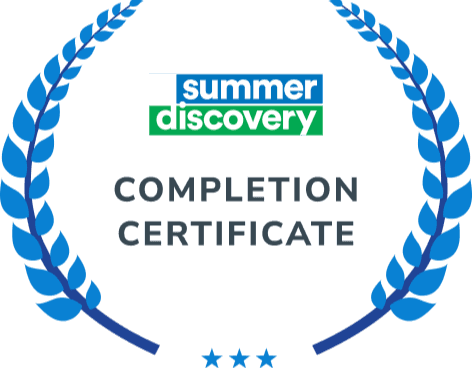
After successfully finishing this course, you will be awarded a certification completion for your accomplishment.
*This is a preview, not what you will receive