
More reasons to enroll early: Save $250 on tuition + 50% off your deposit. Enroll by Oct 31.
Build, test, and refine a functional prototype in this two-week Dartmouth academy for high school students.
Rated 4.3 out of 5 for overall experience by students surveyed across the broader program in 2026.

Course Description
Build a solution, test it, and find out what needs to change. A design gets more interesting when the evidence challenges your first idea.
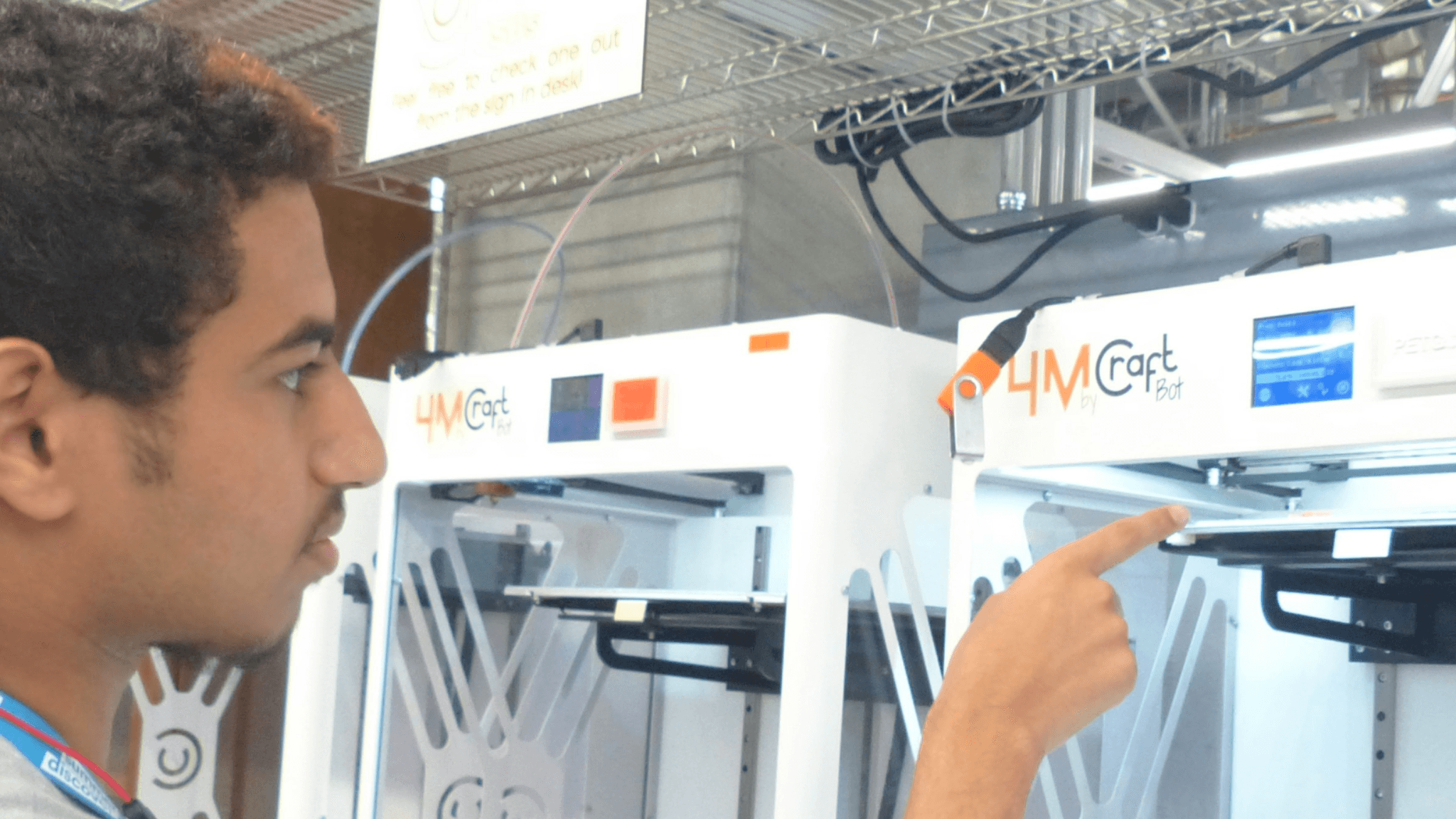
In this course you will work with a team to turn a user’s problem into measurable design requirements. At least 40% of the academy is spent building and testing. Compare materials through stiffness, impact, friction, and wear tests, then create two prototype versions. Measurements and failure analysis help you decide which change is worth trying next.
The design has to make sense for someone beyond your team. Weigh feasibility, durability, efficiency, sustainability, safety, and cost as you compare alternatives. Define a value proposition, estimate cost of goods sold, and consider manufacturing and lifecycle impacts. A technical dossier, poster, and slide deck capture your evidence and decisions before a live demonstration and founder-style pitch. Explaining what failed and why you revised it gives you practice in the experimental reasoning and technical communication used in engineering.
This two-week full-day academy for high school students is part of Dartmouth Precollege Summer Scholars in Hanover, New Hampshire. Students focus on one academy for the full program. The program is developed and academically led by Dartmouth. Residential and commuter options are available.
What You Will Do
• Define a user’s problem and measurable design requirements
• Test materials for stiffness, impact, friction, and wear
• Build two prototype versions and analyze performance data
• Compare costs, manufacturing choices, and a design’s value
• Create a technical dossier, poster, and pitch deck
• Demonstrate your prototype and deliver a founder-style pitch
Learning Outcomes
By the end of the course, students will be able to:
• Explain how testing and failure analysis guide engineering design decisions
• Evaluate solutions against user needs, performance, cost, safety, and sustainability
• Support design recommendations with measurements and clear technical reasoning
You’ll leave with your team’s two prototype versions, technical dossier, poster, pitch deck, and a certificate of completion.
Why Engineering Design Skills Matter
Engineering design teaches students to treat a first idea as a hypothesis, not a finished answer. Building and testing reveal what works, where a material fails, and how constraints such as cost, safety, sustainability, and user needs change the solution.
Iteration develops persistence and evidence-based judgment. Students must collect useful data, explain why they changed a design, and communicate the trade-offs behind the final prototype. These skills matter across engineering, product design, robotics, manufacturing, materials science, entrepreneurship, and other fields where ideas must perform in the real world.
Who Should Attend?
For students who have completed 9th, 10th, 11th, or 12th grade.
If you like making things and figuring out why they work, this academy gives you time to build, test, and try again. Explore engineering, materials, product design, and entrepreneurship through a team’s two prototype versions. You’ll run controlled tests, handle materials and tools responsibly, record results, and explain your revisions, including what you learned from a failed attempt. No prior engineering or lab experience is required.
Bring a personal laptop. Closed-toe shoes are required in shop spaces.
Recommended by 9 out of 10 Students
Based on students surveyed in the Dartmouth Precollege Summer Scholars program (2026)
Your Summer at Dartmouth
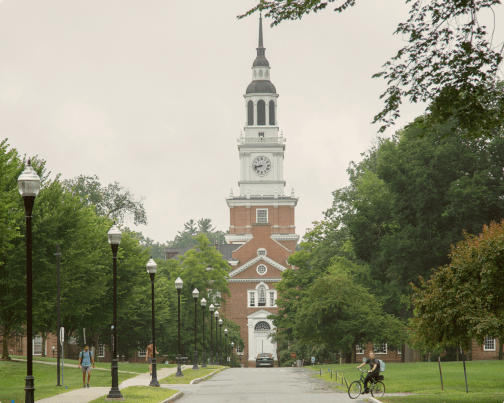
Dartmouth Precollege Summer Scholars gives high school students a concentrated introduction to college-level learning in Hanover, New Hampshire. The program is developed and academically led by Dartmouth. Students explore current ideas through discussion, projects, and sustained work that helps them test an academic interest in depth.
Residential students live in Dartmouth residence halls, eat at 53 Commons, and can join workshops and counselor-supported evening and weekend activities. Time in Hanover and the Upper Valley adds a distinctive New England setting, while the broader experience helps students build independence and clarify what they may want to study next.
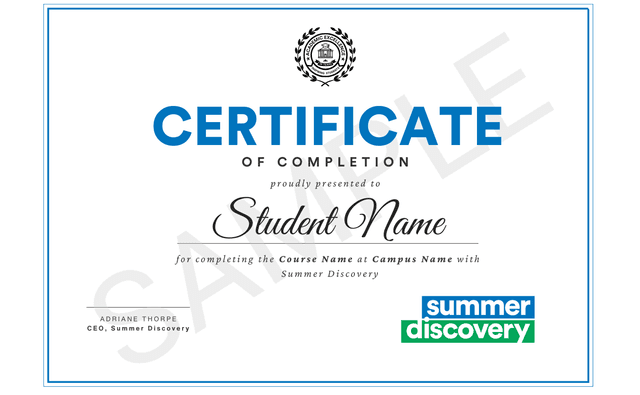
Summer Discovery Certificate of Completion
After successfully finishing this course, you will be awarded a certification completion for your accomplishment.
*This is a preview, not what you will receive