
More reasons to enroll early: Save $250 on tuition + 50% off your deposit. Enroll by Oct 31.
Use nature as a laboratory to investigate attention, stress, perception, and behavior in this two-week Dartmouth academy for high school students.
Rated 4.3 out of 5 for overall experience by students surveyed across the broader program in 2026.
Course Description
A walk in the woods can become an investigation into attention. Look at familiar experiences through the brain’s workings, then take those questions into the lab and the outdoors.
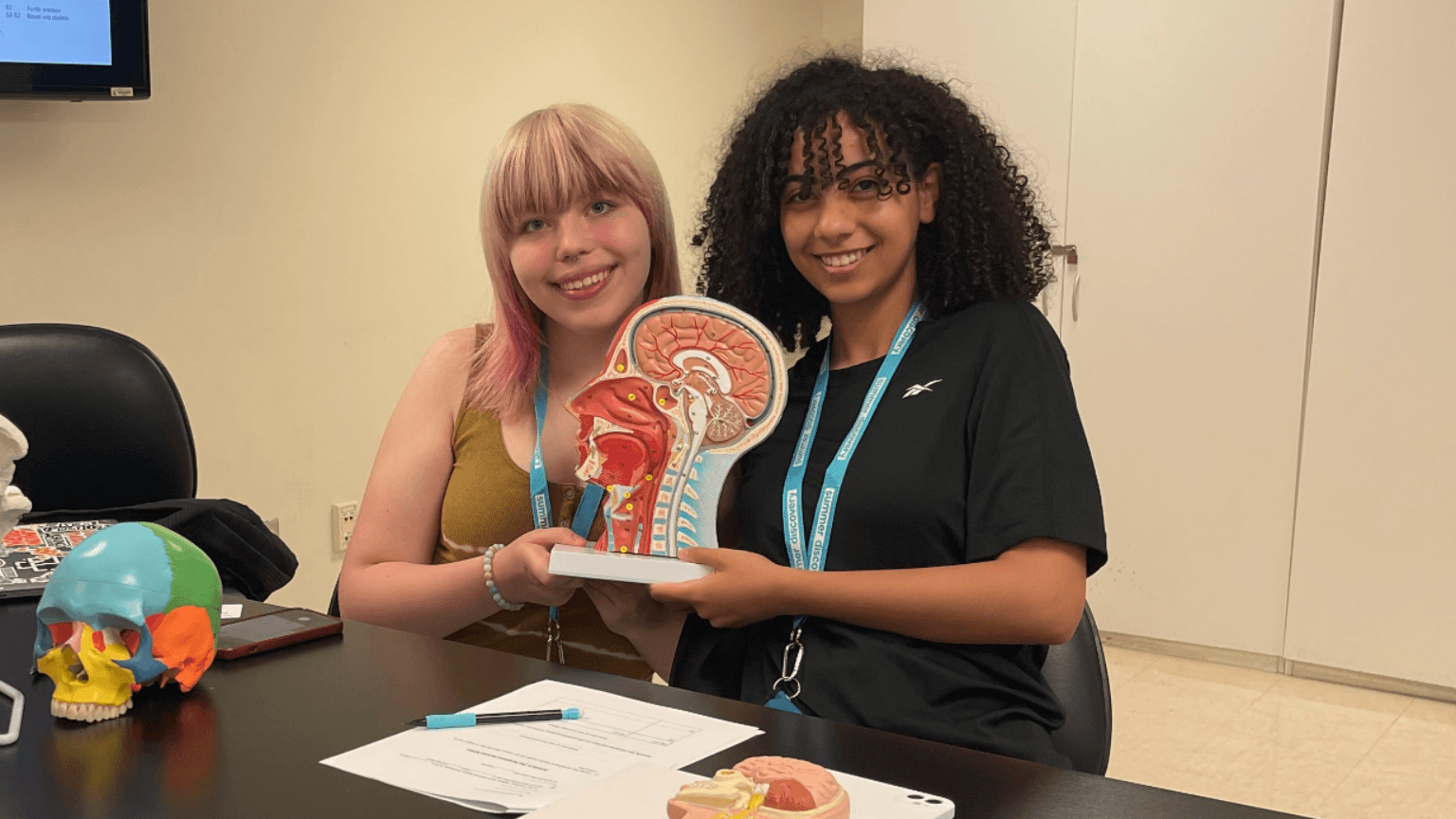
In this course you will explore brain anatomy and neural function alongside environmental neuroscience: how surroundings interact with the brain, body, and behavior. Use an interactive brain atlas, build a neuron model, and test perception, attention, breathing, and motor coordination. Habits and circadian rhythms, the body’s daily cycles, connect the science with well-being.
A guided Pine Park walk explores attention restoration; a sheep brain lab connects models with anatomy. A visit to Dartmouth Hitchcock Medical Center introduces clinical and research settings connected with neurology, neuroimaging, psychiatry, or rehabilitation. You’ll develop a research question with a small group and present a capstone connecting neuroscience evidence with a topic you want to investigate further.
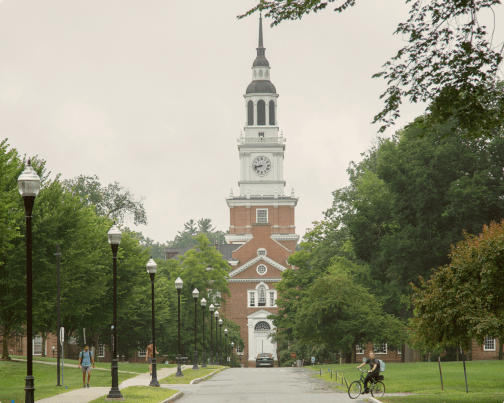
This two-week full-day academy for high school students is part of Dartmouth Precollege Summer Scholars. Developed and academically led by Dartmouth, it focuses on one intensive academy for the full program. Available to residential students, it takes place on Dartmouth’s main campus in Hanover, New Hampshire, and at Moosilauke Ravine Lodge, where outdoor experiences form part of the learning.
What You Will Do
• Identify brain structures using an interactive brain atlas
• Test attention, perception, breathing, and motor coordination
• Investigate attention restoration on a Pine Park walk
• Compare models with anatomy in a sheep brain lab
• Visit clinical and research settings at Dartmouth Hitchcock
• Research and present a small-group neuroscience capstone
Learning Outcomes
By the end of the course, students will be able to:
• Explain how the brain, body, and environment interact
• Connect brain structures and neural processes with attention, stress, perception, and behavior
• Use neuroscience research to distinguish plausible explanations from supported conclusions
You’ll leave with your field observations, group capstone presentation and a certificate of completion.
Why Environmental Neuroscience Skills Matter
Attention, stress, sleep, breathing, and habits turn familiar experiences into questions you can investigate. Comparing what you observe with neuroscience research helps you separate a plausible explanation from one the evidence supports.
That distinction matters when interpreting claims about the brain and well-being. It also gives you practice with the observation and reasoning used in further study of neuroscience, psychology, medicine, and environmental health.
Who Should Attend?
For students who have completed 9th, 10th, 11th, or 12th grade.
If you’ve wondered why a setting changes how you feel or how well you concentrate, this academy gives that curiosity a scientific direction. It connects biology with psychology, health, and everyday experience through indoor and outdoor learning. Scientific reading, work with models and specimens, and a collaborative capstone presentation are part of the experience.
Recommended by 9 out of 10 Students
Based on students surveyed in the Dartmouth Precollege Summer Scholars program (2026)
Your Summer at Dartmouth
Dartmouth Precollege Summer Scholars gives high school students a concentrated introduction to college-level learning in Hanover, New Hampshire. The program is developed and academically led by Dartmouth. Students explore current ideas through discussion, projects, and sustained work that helps them test an academic interest in depth.
Residential students live in Dartmouth residence halls, eat at 53 Commons, and can join workshops and counselor-supported evening and weekend activities. Time in Hanover and the Upper Valley adds a distinctive New England setting, while the broader experience helps students build independence and clarify what they may want to study next.
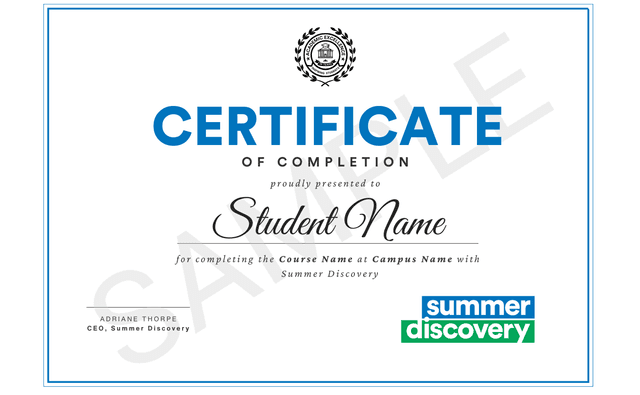
Summer Discovery Certificate of Completion
After successfully finishing this course, you will be awarded a certification completion for your accomplishment.
*This is a preview, not what you will receive