
More reasons to enroll early: Save $250 on tuition + 50% off your deposit. Enroll by Oct 31.
Model Moon phases and build a space exhibit in this three-week astronomy course for elementary school students on Bryn Mawr College’s campus.
Instructor:

Course Description
Make Moon phases with a flashlight. Build a rover for a faraway world. Space offers plenty to wonder about and try.
In this course your child will become a sky detective, keeping questions, observations, and drawings in a space journal. Spheres, lights, and star maps reveal patterns in day, night, and shadows. They’ll walk through a model solar system, test craters, and design a rover or lander. A light-and-orbit demonstration shows how astronomers find distant planets.
Pictures, art, and models bring stars, galaxies, and the scale of space within reach. Teams create a Space Discovery Museum exhibit with a model or interactive visual, a surprising fact, and labels. Sharing it gives classmates a little corner of the universe to explore.
This three-week course for elementary school students is part of Summer Discovery’s Institute for the Gifted program on Bryn Mawr College’s campus in Bryn Mawr, Pennsylvania. The program is available to commuter students.
What You Will Do
• Record sky questions, observations, and drawings in a space journal
• Model day, night, shadows, and Moon phases
• Build a solar system you can walk through
• Test craters and redesign a rover or lander
• Compare star colors, life cycles, and galaxy shapes
• Create and present a Space Discovery Museum exhibit
Learning Outcomes
By the end of the course, students will be able to:
• Explain patterns in the sky using observations and models
• Describe differences between planets, stars, and galaxies
• Use a model to explain an idea about space
You’ll leave with a space journal, hands-on models, your team’s museum exhibit, and a certificate of completion.
Why Astronomy Skills Matter
Astronomy gives children a reason to look closely, notice patterns, and ask questions. Modeling Moon phases or comparing planets helps them connect an explanation to something they can see. Testing and improving a rover model gives them practice learning from what happens.
Space is much bigger than anything children can hold or see at once. Pictures, maps, and models help them make sense of that scale. Explaining a discovery to classmates builds vocabulary and gives children practice putting ideas in order, useful habits for science, reading, and everyday discovery.
Who Should Attend?
For students who have completed 1st, 2nd, or 3rd grade.
If your child looks up at the sky and wants to know more, this course gives those questions room to grow. Drawing, building, and trying simple models bring space closer. Children can share what they discover through pictures and words, whether they’re imagining a faraway world or noticing something new about the Moon.
Institute for the Gifted eligibility requirements apply; see the program FAQ.
Your Summer at Bryn Mawr College
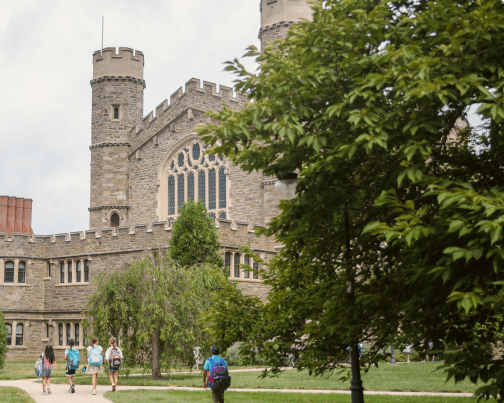
Bryn Mawr gives elementary students a welcoming place to spend the day learning, creating, and meeting new friends. Its historic, tree-lined setting near Philadelphia makes a summer class feel special and academically structured while remaining close enough for students to return home each afternoon.
The commuter-day format combines hands-on academics with a clear daily routine and shared activities throughout the program day. Students can try something new, build confidence through participation, and enjoy the fun of learning on a college campus without an overnight stay. For families, Bryn Mawr offers a thoughtful balance of creativity, academic challenge, friendship, and age-appropriate independence in a structured day-program environment.
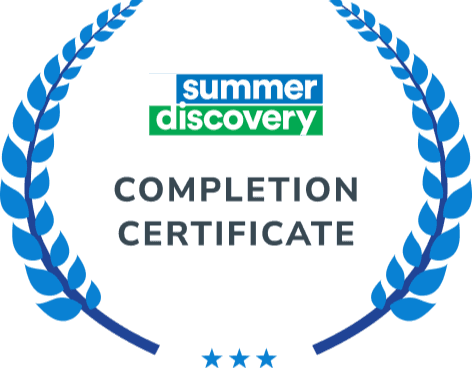
After successfully finishing this course, you will be awarded a certification completion for your accomplishment.
*This is a preview, not what you will receive