
More reasons to enroll early: Save $250 on tuition + 50% off your deposit. Enroll by Oct 31.
Investigate germs, immunity, and disease in this three-week microbiology course for middle school students on Bryn Mawr College’s campus.

Course Description
Put a handwashing routine to the test. A simulated germ-spread investigation makes transmission visible, so students can examine what changes after washing.
In this course your student will explore the microbes that help us, the ones that cause disease, and the body’s response. A timeline of medical discoveries shows how scientists changed our understanding of infection. Comparing bacteria, viruses, fungi, and other microbes connects their different roles with microbiomes, immunity, and biotechnology.
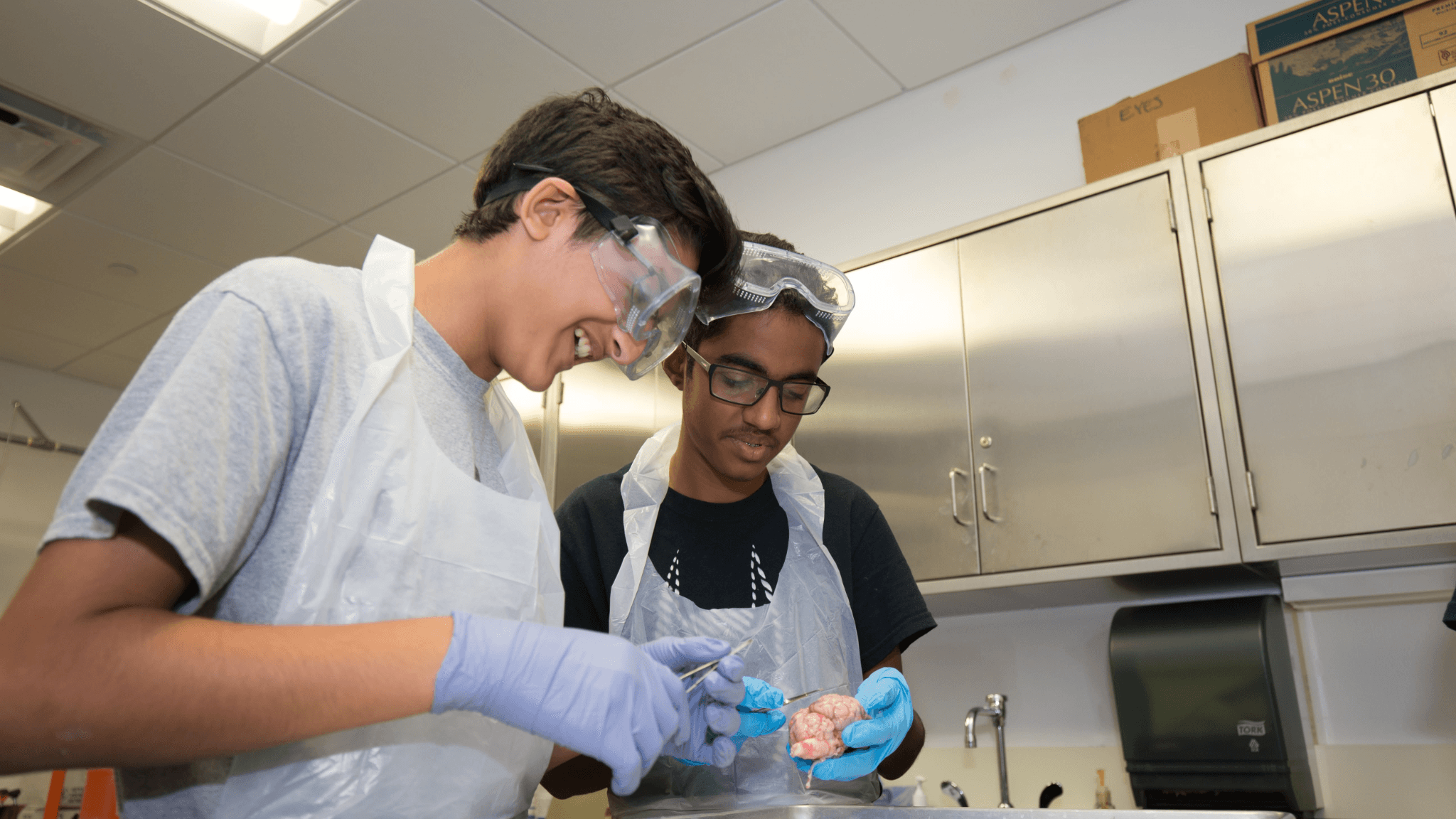
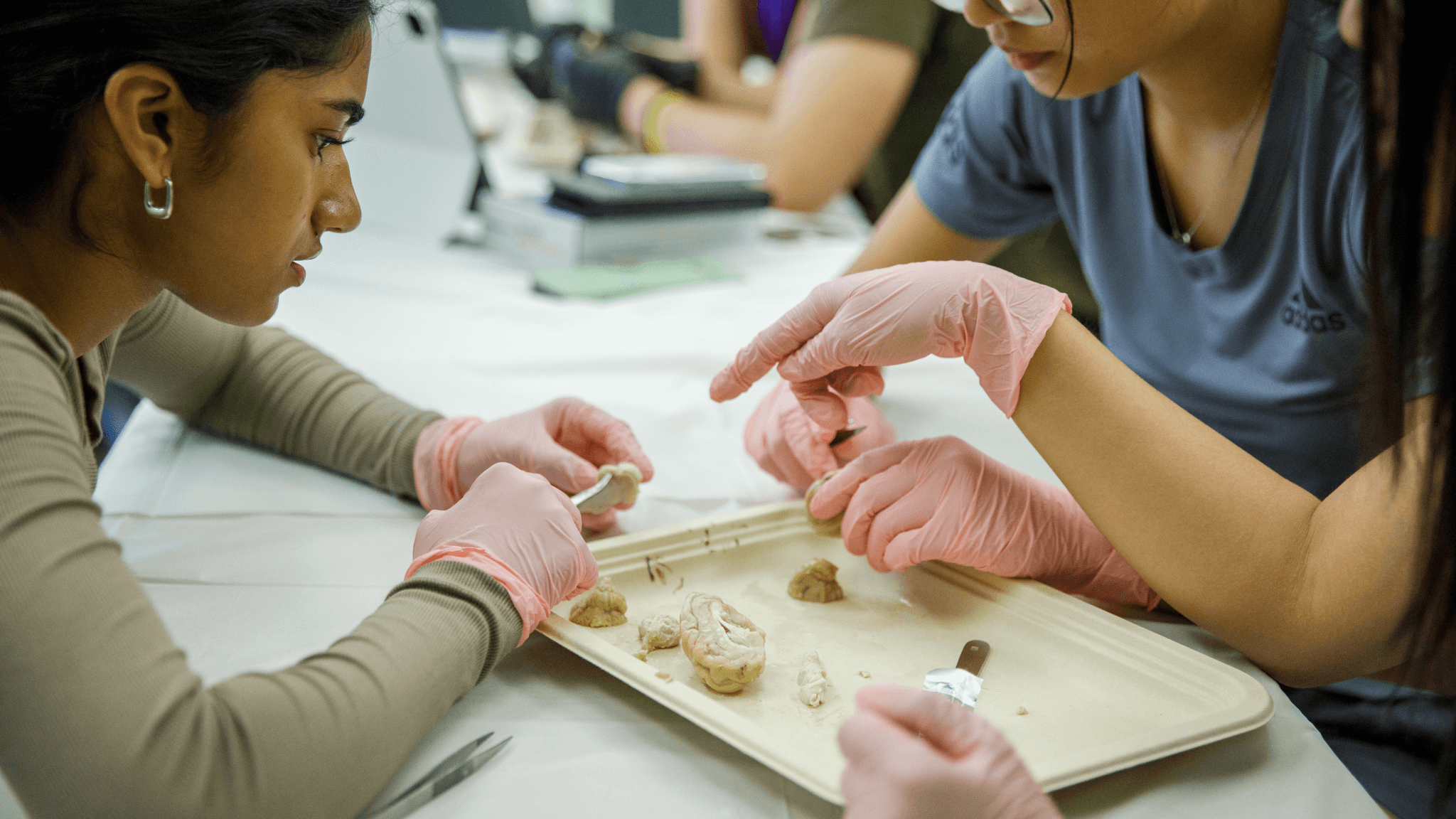
Students sort microbes by what they do, map immune cells involved in infections and disorders, and research how a treatment affects a disease. Diagrams and short presentations help them explain those connections. For their capstone, they’ll choose a challenge or opportunity involving microorganisms, investigate the biology and current approaches, and consider emerging ideas. Their proposal brings the research together into a response they can explain and support with evidence.
This three-week course for middle school students is part of Summer Discovery’s Institute for the Gifted program on Bryn Mawr College’s campus in Bryn Mawr, Pennsylvania. The program is available to commuter students.
What You Will Do
• Trace discoveries that changed our understanding of infection
• Model germ spread and test handwashing
• Compare helpful and harmful microbes by their roles
• Map immune cells involved in infections and disorders
• Diagram a disease and explain how a treatment works
• Research and present a proposal involving microorganisms
Learning Outcomes
By the end of the course, students will be able to:
• Compare major types of microbes and their effects on health
• Explain transmission and immune responses using observations and research
• Support a proposed response to a microbiology challenge with scientific evidence
You’ll leave with your laboratory-style observations, disease and treatment diagrams, a capstone proposal and a certificate of completion.
Why Microbiology Skills Matter
Microbiology separates questions that can easily get mixed together: which organism is involved, how the body responds, and what a treatment changes. A handwashing investigation makes the value of testing an assumption visible.
Research adds a different challenge: deciding which sources explain a process clearly and support their claims. Learning to connect a cause with evidence helps students ask more precise questions about infection, immunity, and the many helpful roles microbes play.
Who Should Attend?
For students who have completed 6th, 7th, or 8th grade.
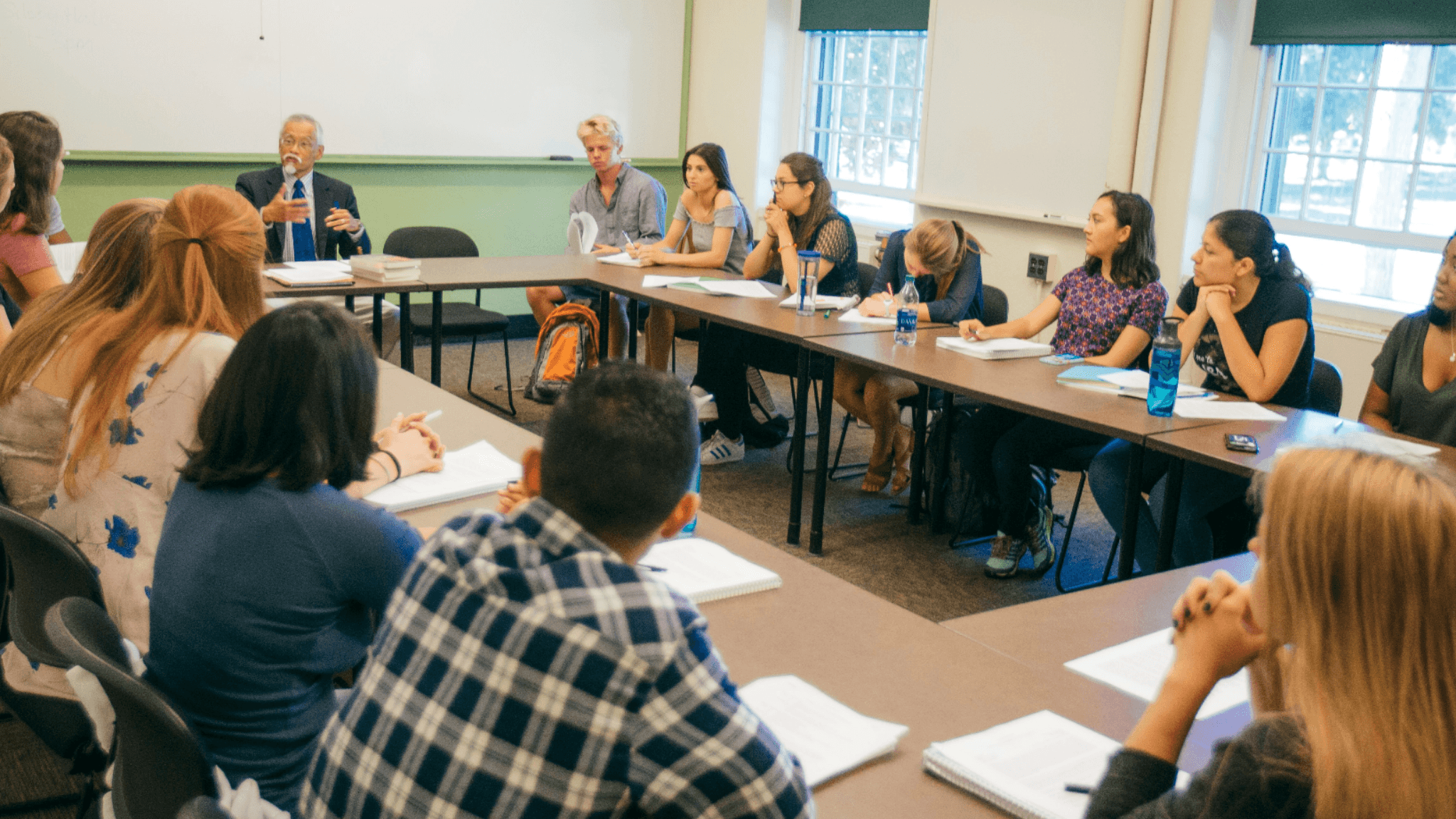
A student who wonders how germs spread or how the body fights an infection has plenty to investigate here. Experiments, diagrams, and research offer different ways into the subject, including the surprising ways microbes can help us. Your student will work with classmates, discuss health topics, and use evidence to explain an idea.
Institute for the Gifted eligibility requirements apply; see the program FAQ.
Your Summer at Bryn Mawr College
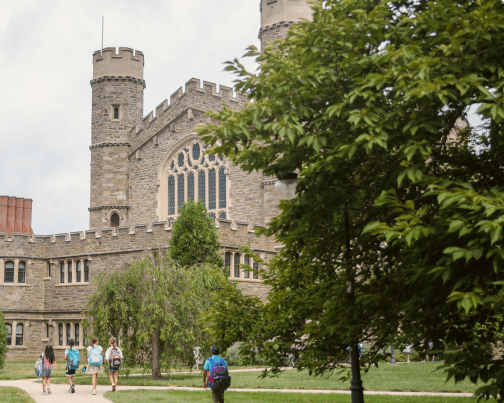
Bryn Mawr gives middle-school students a welcoming place to explore challenging ideas, create, and meet peers who share their interests. Its historic, tree-lined setting near Philadelphia makes the day feel distinctly advanced while allowing students to return home each afternoon.
The commuter-day format combines active academics with a clear daily routine and shared activities throughout the program day. Students can test new interests, contribute to discussions and projects, and become more confident navigating a college setting without an overnight stay. For families, Bryn Mawr offers a thoughtful balance of substantive learning, friendship, guidance, and age-appropriate independence in a structured day-program environment.
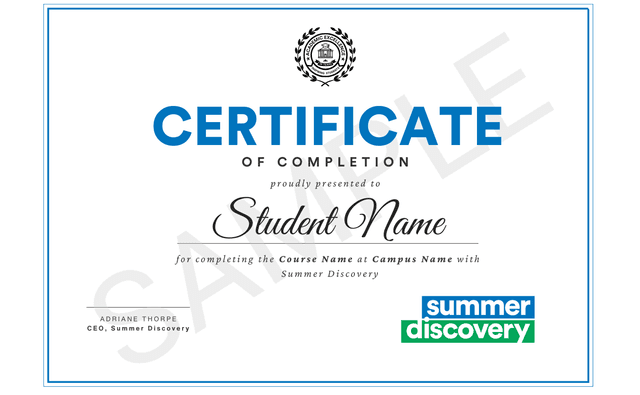
Summer Discovery Certificate of Completion
After successfully finishing this course, you will be awarded a certification of completion for your accomplishment.
*This is a preview, not what you will receive