
More reasons to enroll early: Save $250 on tuition + 50% off your deposit. Enroll by Oct 31.
Explore big questions through stories and creative projects in this three-week philosophy course for elementary school students on Bryn Mawr College’s campus.
Course Description
A mystery object, a story, or a disagreement about what’s fair can start a very big conversation.
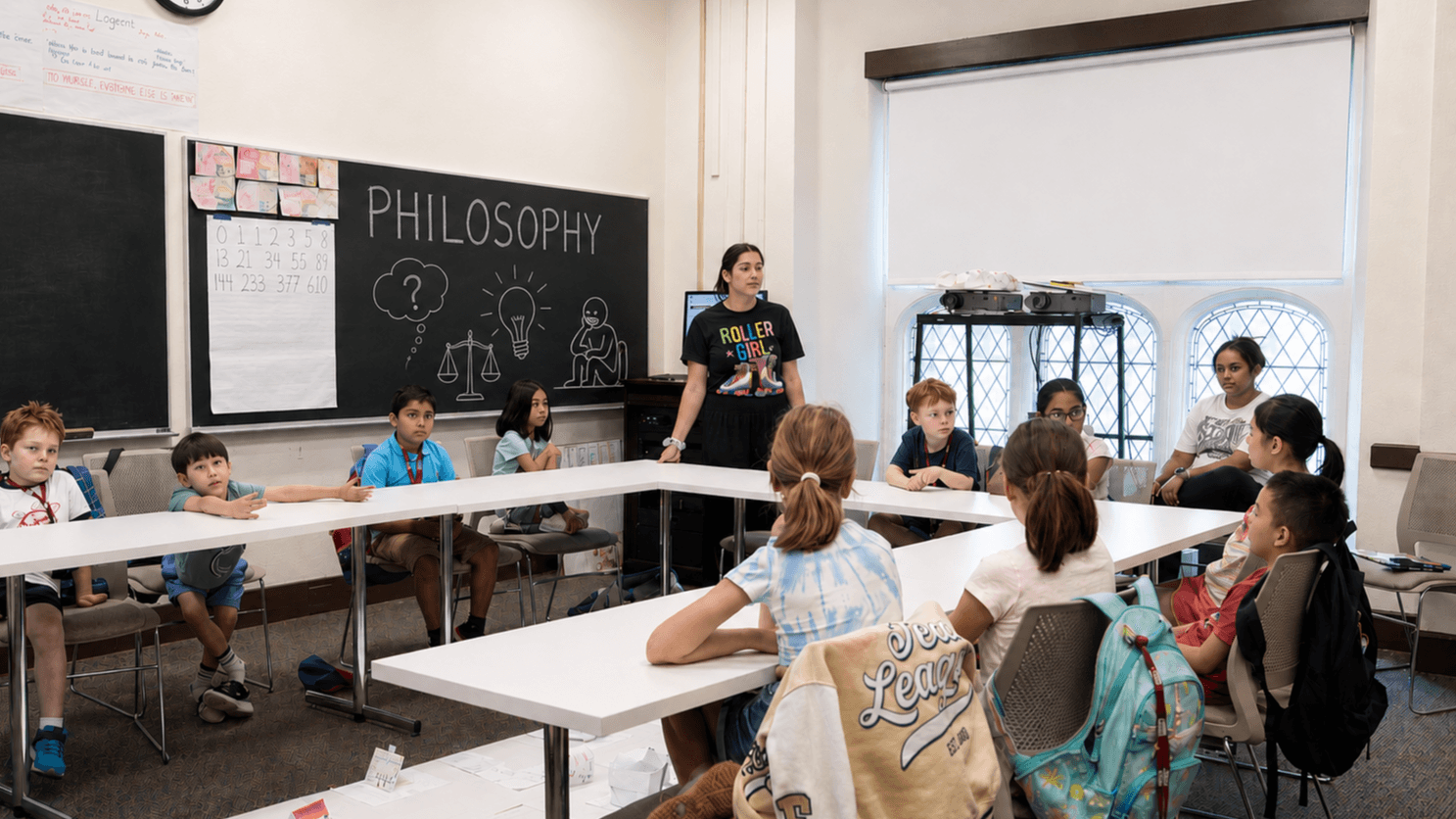
In this course your child will explore questions about friendship, rules, fairness, and what makes something true or beautiful. Stories, puzzles, movement, and role-play give them ways to try out ideas. They might act out ways to share or follow instructions like a paper robot, then wonder whether following rules is the same as thinking. Drawing and building offer ways to join in too.
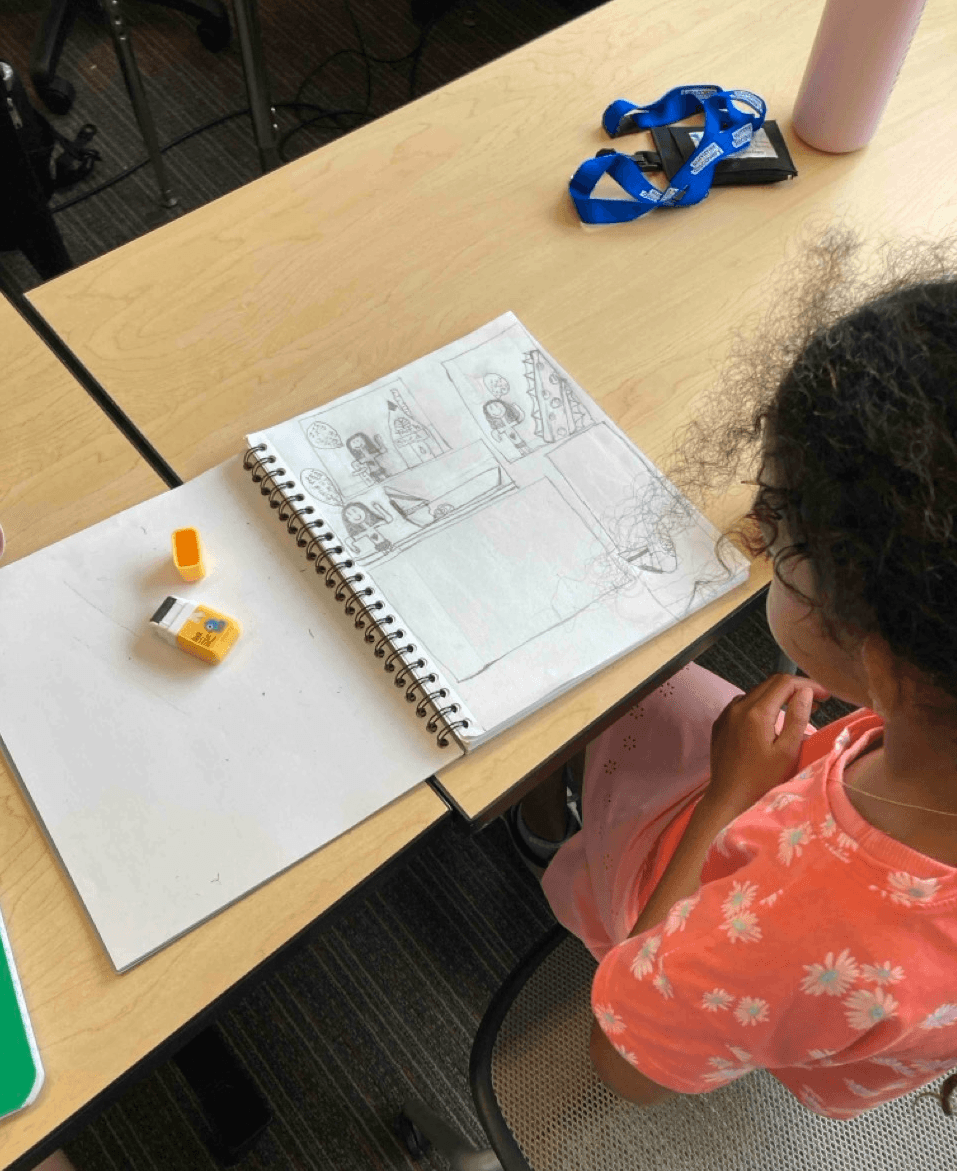
Each child chooses a favorite question for a Big Questions Gallery project. A poster, comic, model, or interactive display shows two possible answers, their own view, and the reasons behind it. An illustrated journal gathers their thinking along the way. There’s room to listen, compare ideas, and discover a question they hadn’t thought to ask.
This three-week course for elementary school students is part of Summer Discovery’s Institute for the Gifted program on Bryn Mawr College’s campus in Bryn Mawr, Pennsylvania. The program is available to commuter students.
What You Will Do
• Find big questions in stories and mystery objects
• Try different ways to share through role-play
• Sort clues and pictures to test an idea
• Follow instructions like a paper robot
• Explore ideas through drawing, movement, and building
• Share your own Big Questions Gallery project
Learning Outcomes
By the end of the course, students will be able to:
• Recognize that a question can have more than one thoughtful answer
• Explain an idea with a reason, picture, or example
• Compare different views and describe what another person thinks
You’ll leave with your illustrated Big Questions journal, a gallery project and a certificate of completion.
Why Philosophy Skills Matter
Giving a reason turns “I think” into an idea someone else can explore. Stories, pictures, and examples help children test that idea and notice when another answer could make sense.
Listening and explaining another person’s view build useful habits for reading, classroom conversations, and everyday choices. Children practice disagreeing without needing to win and seeing how a new piece of information can change their thinking.
Who Should Attend?
For students who have completed 1st, 2nd, or 3rd grade.
Some children always have another “why.” Others like to watch, listen, and draw before sharing an idea. Both have a place here. Stories, puzzles, pretend play, and making give your child different ways to explore a big question and show what they think. They’ll share a finished project in a supportive setting.
Institute for the Gifted eligibility requirements apply; see the program FAQ.
Your Summer at Bryn Mawr College
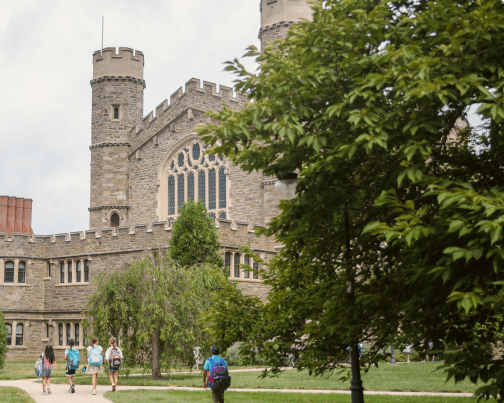
Bryn Mawr gives elementary students a welcoming place to spend the day learning, creating, and meeting new friends. Its historic, tree-lined setting near Philadelphia makes a summer class feel special and academically structured while remaining close enough for students to return home each afternoon.
The commuter-day format combines hands-on academics with a clear daily routine and shared activities throughout the program day. Students can try something new, build confidence through participation, and enjoy the fun of learning on a college campus without an overnight stay. For families, Bryn Mawr offers a thoughtful balance of creativity, academic challenge, friendship, and age-appropriate independence in a structured day-program environment.
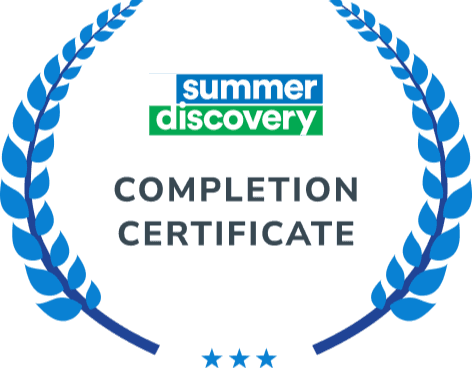
After successfully finishing this course, you will be awarded a certification completion for your accomplishment.
*This is a preview, not what you will receive
Bryn Mawr College
Bryn Mawr College
Bryn Mawr College