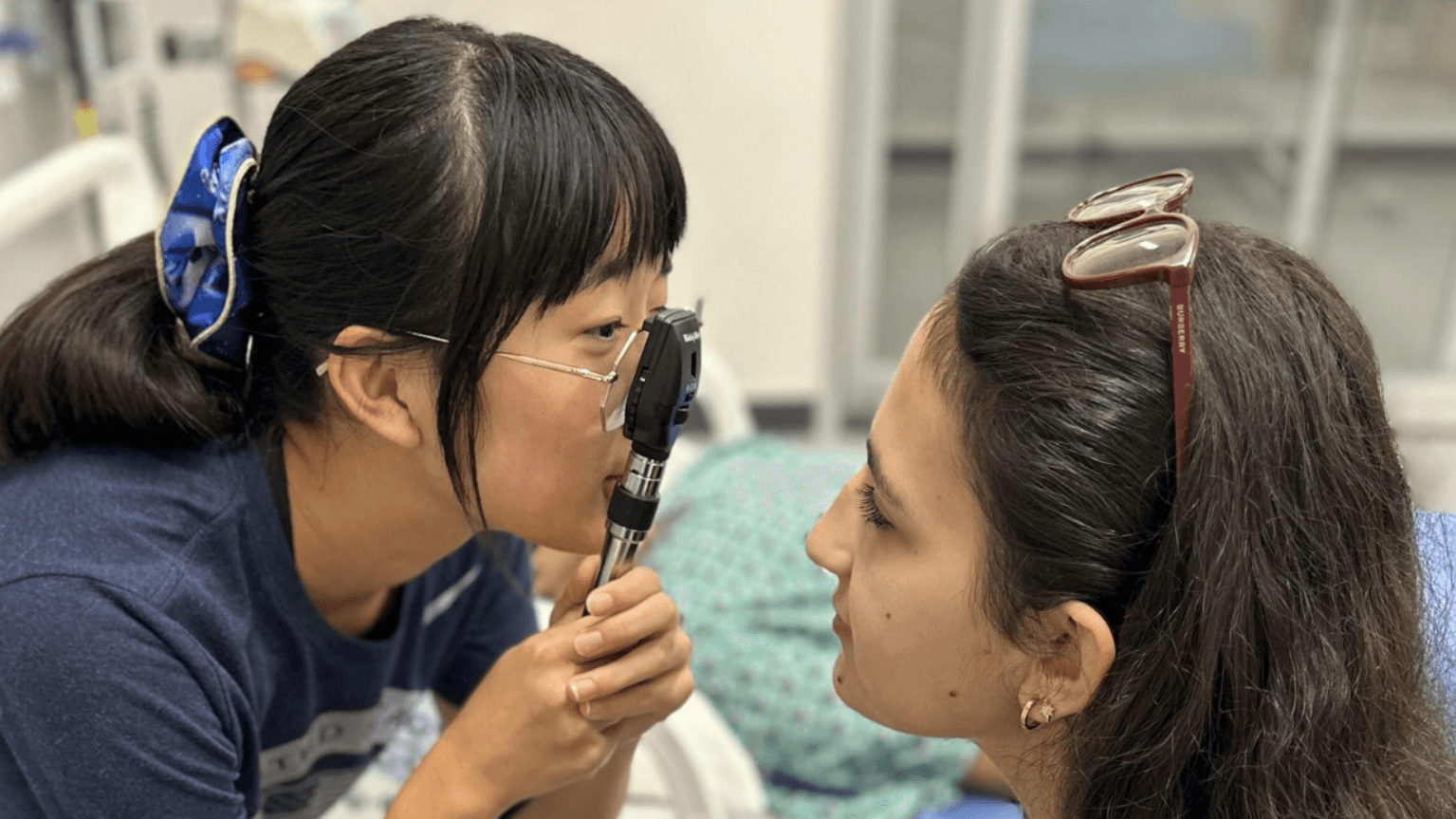
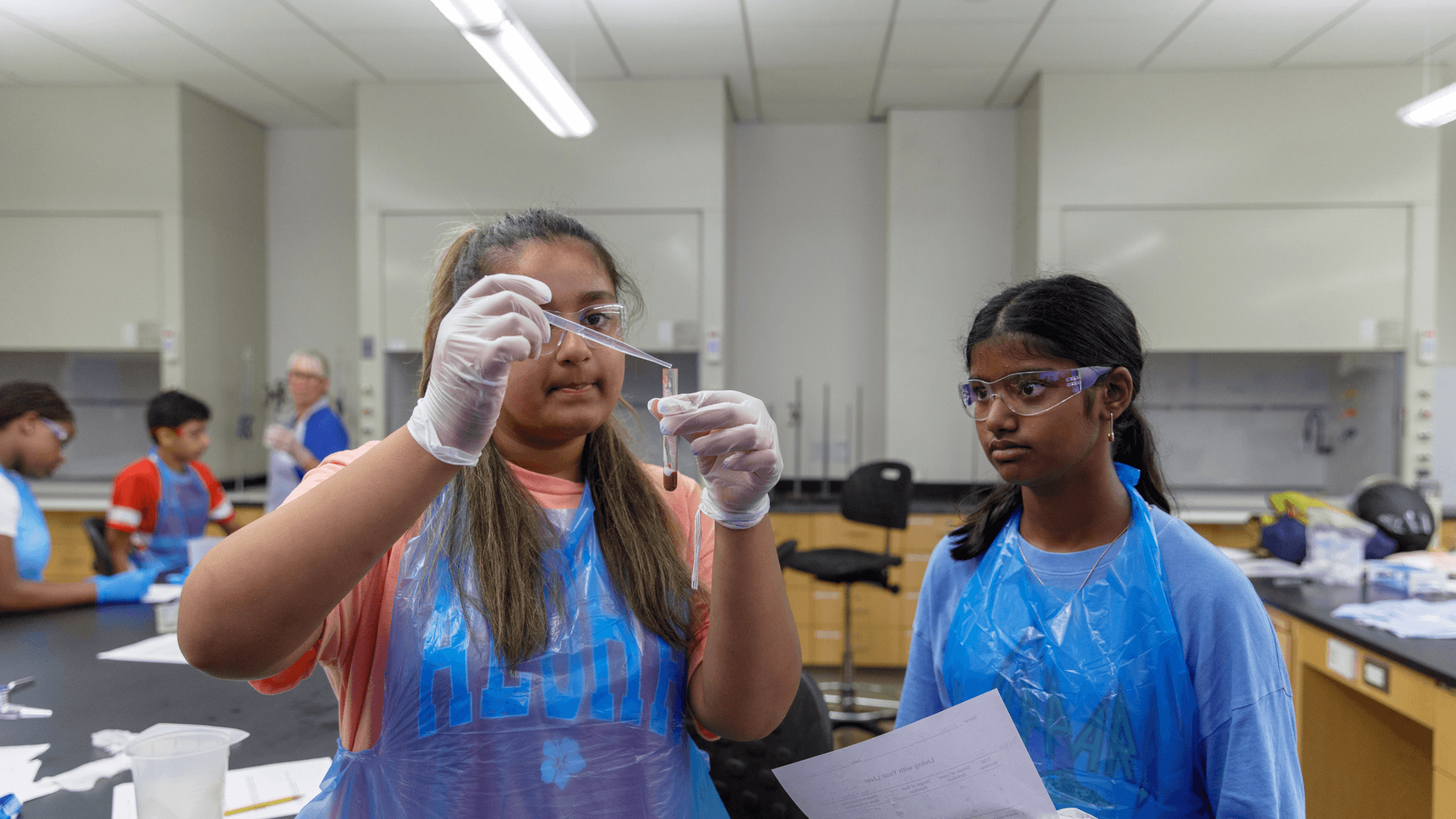

Explore topics such as cell biology, microbiology, genetics, and clinical trial design and uncover the answers to how medical research moves from the lab bench to improve life-saving treatments.
Instructor:

Course Description
How does medical research move from the lab bench to life-saving treatments? This two-week precollege course immerses students in the world of biomedical science and clinical research. Guided by Dartmouth faculty, researchers, and medical professionals, students will gain firsthand experience in laboratory techniques, experimental design, and the ethical considerations of working with human health.
Through a mix of hands-on lab sessions, seminars, and site visits, participants will explore topics such as cell biology, microbiology, genetics, and clinical trial design. They’ll also learn about the pathways to careers in medicine and biomedical research, from undergraduate studies to medical school and beyond. The course culminates in a final poster session where students present findings from a small-group lab project, modeling the way real research is shared in the scientific community.
Learning Outcomes
By the end of this course, students will be able to:
Tangible Outcomes
Poster Session & Closing Symposium: Students present their research projects to peers, faculty, and staff in a conference-style format.
Hands-on Activities
Week 1: Foundations of Medical Research
Week 2: From Experiments to Applications
Information is subject to change as instructors finalize course content and syllabi.
Instructor Bio
Jeffrey Stott, PhD, is a Postdoctoral Researcher in the Department of Psychological and Brain Sciences at Dartmouth College. Dr. Stott's research focuses on the rodent head-direction system and decision-making, using electrophysiology and behavioral neuroscience to study the brain mechanisms of spatial cognition and decision-making in rodents. Dr. Stott has experience teaching undergraduate courses in animal behavior and biology, as well as a neuroethology course at Dartmouth. He is passionate about mentoring students and fostering curiosity about neuroscience. Dr. Stott holds a PhD in Neuroscience from the University of Minnesota and completed his undergraduate studies at St. John's College in Santa Fe, an institution known for its interdisciplinary, discussion-based approach to education.
![[object Object]](/_next/image?url=https%3A%2F%2Fassets.summerdiscovery.com%2FdynamicPage%2Fcourse%2Fcourse%2FcardImage%2F1737671564703_88.png&w=48&q=75)
Course Syllabus
To view a sample syllabus, please contact your program specialist, or reach us at info@summerdiscovery.com or call +1 (516) 447-4907.
![[object Object]](/_next/image?url=https%3A%2F%2Fassets.summerdiscovery.com%2FdynamicPage%2Fcourse%2Fcourse%2FcardImage%2F1737667949979_5.png&w=48&q=75)
Admissions Criteria
An interest in medicine and research is the key to success in this program! Additionally, your application criteria include:
![[object Object]](/_next/image?url=https%3A%2F%2Fassets.summerdiscovery.com%2FdynamicPage%2Fcourse%2Fcourse%2FcardImage%2F1737671679325_63.png&w=48&q=75)
Who should attend this course?
Aspiring researchers and innovators, this is a start to your successful academic and professional career. This course will introduce you to fundamentals that will advance your understanding of this field and help you determine whether a professional medical research is right for you.
![[object Object]](/_next/image?url=https%3A%2F%2Fassets.summerdiscovery.com%2FdynamicPage%2Fcourse%2Fcourse%2FcardImage%2F1737668096457_85.png&w=48&q=75)
Benefits of Attending this Course
In addition to a university-level course experience, students will leave this course and the Dartmouth Summer Scholars program with portfolio-building documentation in recognition of their summer achievements, including:
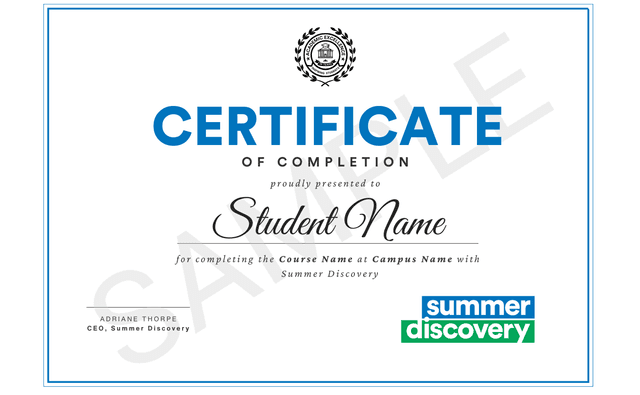
Summer Discovery Certificate of Completion
After successfully finishing this course, you will be awarded a certification completion for your accomplishment.
*This is a preview, not what you will receive