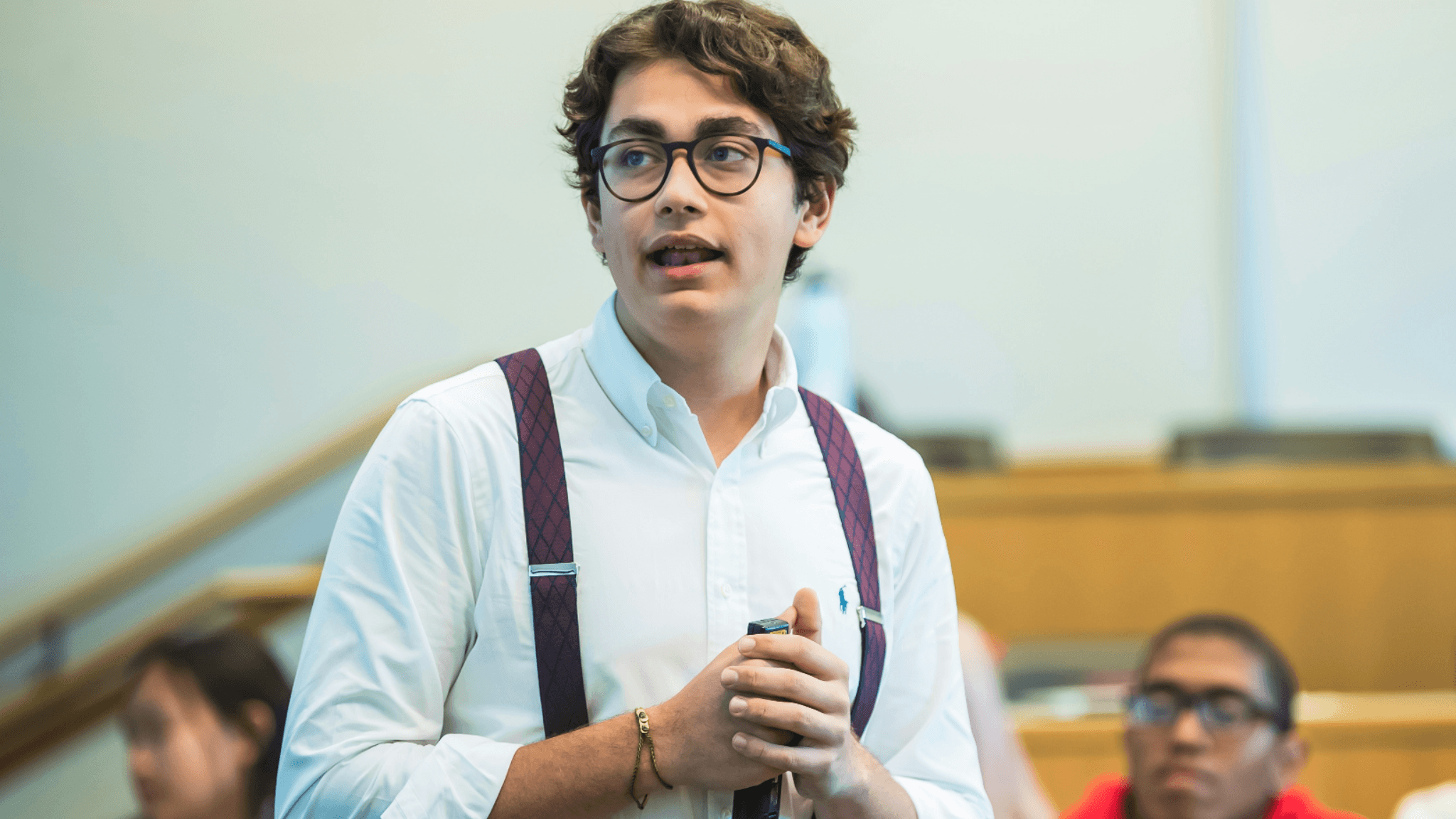
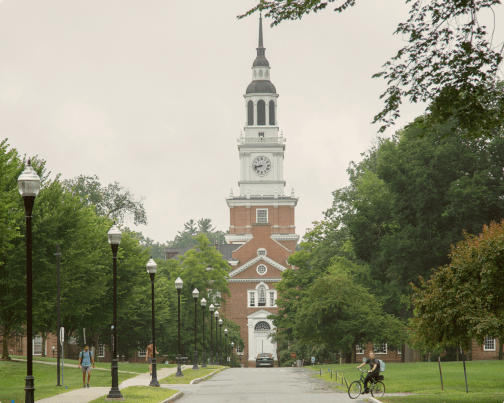

Dive into theories of conflict resolution and reveal how the global community plays a role as a peacemaker across the world.
Instructor:
Course Description
Civil wars are the most common form of conflict across the world, causing death, destruction, and humanitarian crises. Their impact on politics, economics, and international stability can extend far after the war ends. How can the international community address this pernicious problem? What determines whether interventions to stop the fighting are successful?
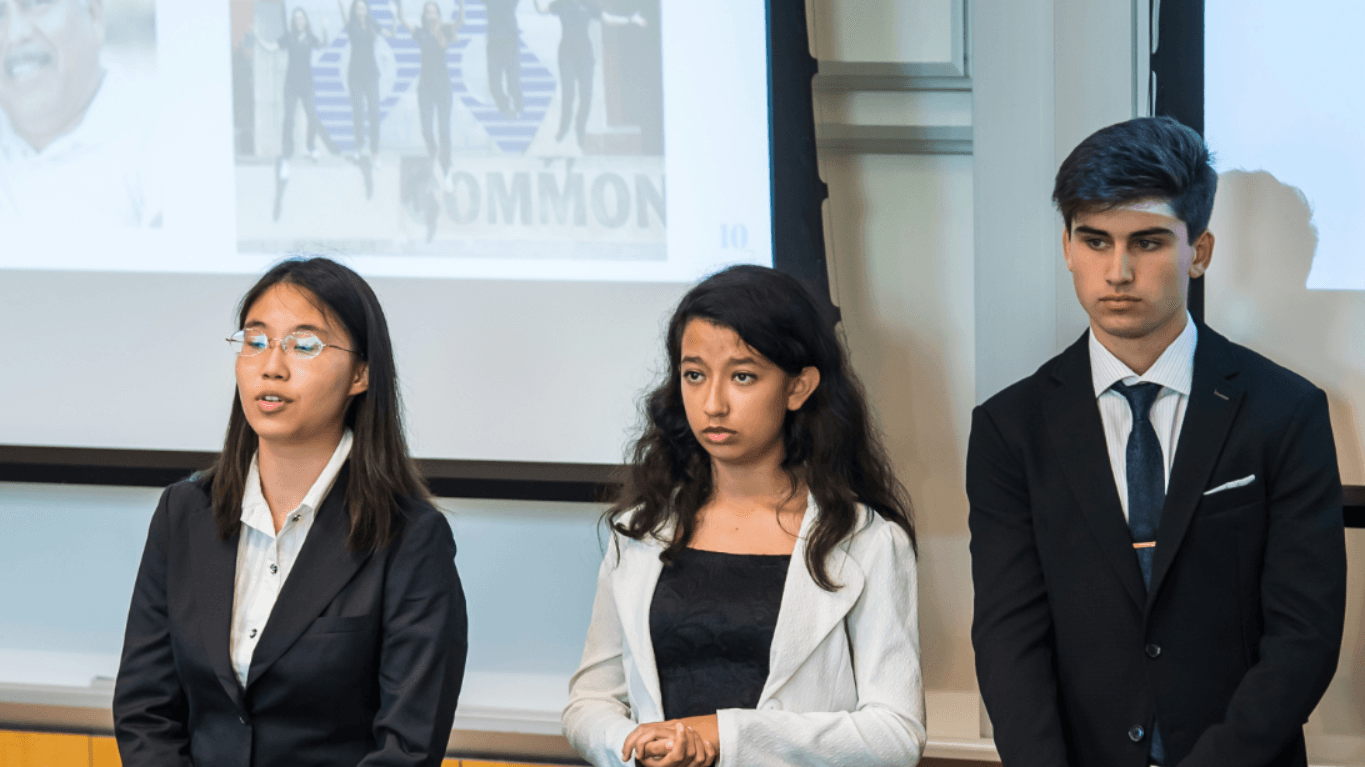
In this course, students will learn about the tools the global community uses to solve disputes and debate potential solutions to ongoing conflicts. We’ll start by looking at the intersection of foreign policy, strategy, and negotiation—what do countries want and how do they get it? Then we’ll dive into theories of conflict resolution and how the United Nations plays a role as a peacemaker across the world. The course culminates with an exciting, hands-on UN Security Council simulation, where students will tackle issues related to real-world conflicts, develop informed solutions, and put their negotiation skills to the test.
Learning Outcomes
Upon completing this course, students will:
Tangible Outcomes
Tangible outputs are group-based and most have an (non-material) experiential component. Students put together briefings in teams on an ongoing civil war and write draft resolutions in their UN Security Council simulation.
Hands-on Activities
In the first week, each afternoon is a structured research session in which the instructor demonstrated useful research skills/tools alongside our subject librarian. This provided an opportunity for students to dig into meaningful research, both individually and in groups, while also having access to support from the instructor and Dartmouth's History and Social Sciences librarian.
Guest Speakers
Field Trips
Students will spend time in the library and visit the Dickey Center for International Understanding.
Information is subject to change as instructors finalize course content and syllabi.
Instructor Bio
Megan Becker is an Associate (Teaching) Professor of International Relations at the University of Southern California and a faculty director of the USC Security and Political Economy Lab (uscspec.org). During the 2023-24 academic year, she was a Distinguished Visiting Scholar with the Dartmouth Initiative for Global Security and taught courses on issues related to war and peace in the Government Department. Dr. Becker's research focuses on what makes civil wars likelier, longer, and more intense, with a particular interest in the role that natural resources like oil, gems, and minerals have to play in fueling conflict. Prof. Becker also researches effective methods of mentorship and research methods pedagogy, which she refined as the director of the country's only National Science Foundation-sponsored Research Experiences of Undergraduates program in political science. An award-winning teacher, she received the 2017 Craig Brians Award for Undergraduate Research Mentorship and the 2021 CQ Press Award for Teaching Innovation from the American Political Science Association. She holds a PhD in Political Science from the University of California, San Diego.
![[object Object]](/_next/image?url=https%3A%2F%2Fassets.summerdiscovery.com%2FdynamicPage%2Fcourse%2Fcourse%2FcardImage%2F1737671564703_88.png&w=48&q=75)
Course Syllabus
To view a sample syllabus, please contact your program specialist, or reach us at info@summerdiscovery.com or call +1 (516) 447-4907.
![[object Object]](/_next/image?url=https%3A%2F%2Fassets.summerdiscovery.com%2FdynamicPage%2Fcourse%2Fcourse%2FcardImage%2F1737667949979_5.png&w=48&q=75)
Admissions Criteria
An interest in a future career in international relations and peacemaking is the key to success in this program! Additionally, your application criteria include:
![[object Object]](/_next/image?url=https%3A%2F%2Fassets.summerdiscovery.com%2FdynamicPage%2Fcourse%2Fcourse%2FcardImage%2F1737671679325_63.png&w=48&q=75)
Who should attend this course?
Understanding negotiation is important for everyone. It's perspective-taking. It's thinking about trade-offs. It's identifying opportunities for constructive compromise. The substance of the negotiations are some of the deadliest conflicts and largest humanitarian challenges happening today. Students go on to major in Political Science or International Relations, and some have shared that they are joining the Model UN Team at their school.
![[object Object]](/_next/image?url=https%3A%2F%2Fassets.summerdiscovery.com%2FdynamicPage%2Fcourse%2Fcourse%2FcardImage%2F1737668096457_85.png&w=48&q=75)
Benefits of Attending this Course
In addition to a university-level course experience, students will leave this course and the Dartmouth Summer Scholars program with portfolio-building documentation in recognition of their summer achievements, including:
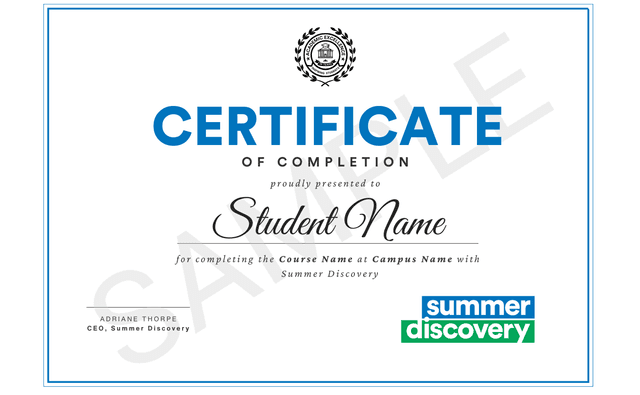
Summer Discovery Certificate of Completion
After successfully finishing this course, you will be awarded a certification completion for your accomplishment.
*This is a preview, not what you will receive