
Dive into the interdisciplinary field of environmental neuroscience and learn how the brain is linked to the environment.
Instructor:
Course Description
Applied Neuroscience
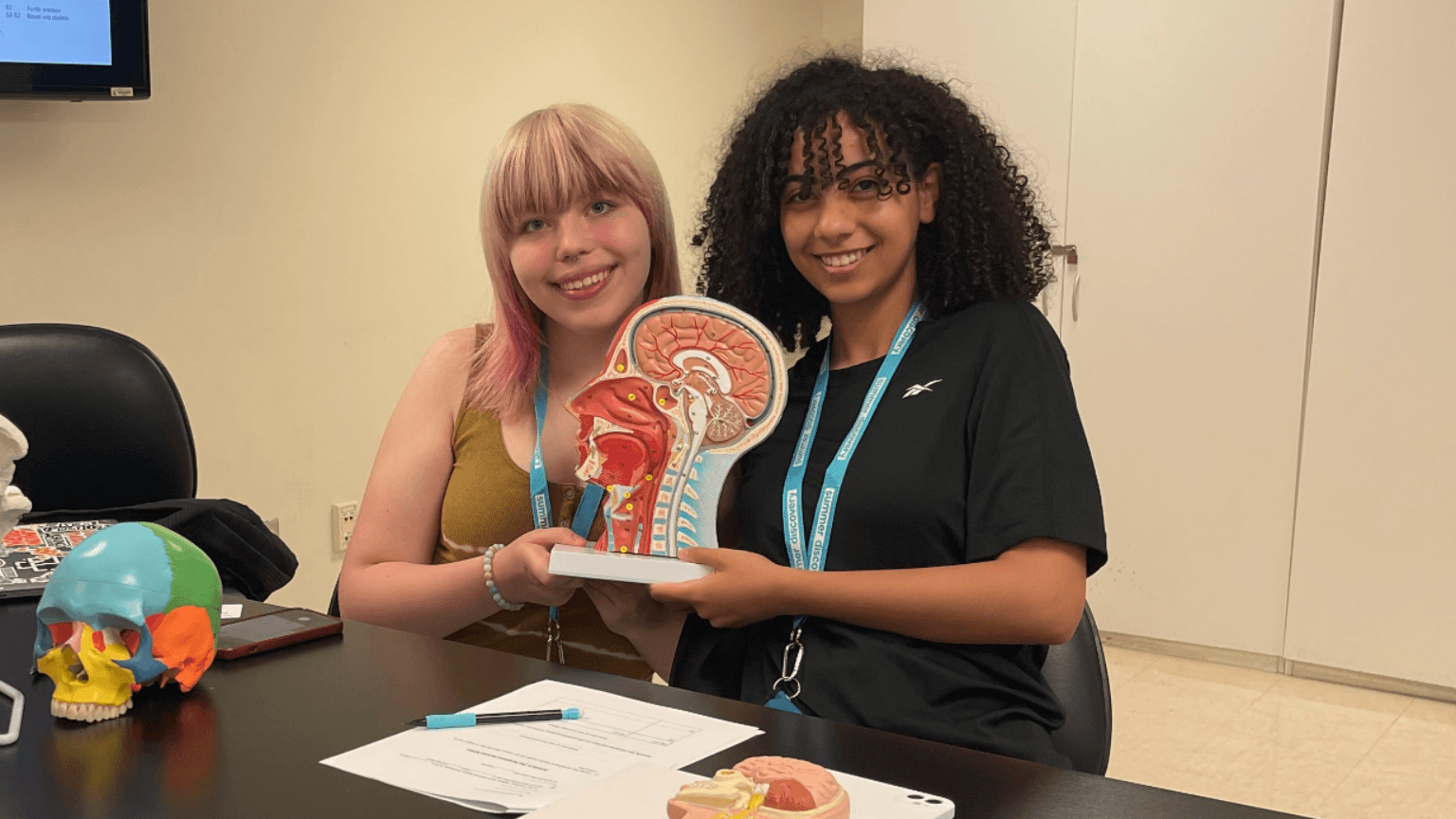
Neuroscience, as a field of study, emerged much later than conventional scientific disciplines, such as chemistry and biology. In recent years, a new area of specialization has come into focus: environmental neuroscience. This topic focuses on the many ways the brain is tightly linked to the environment, the most direct example being our diurnal rhythms that synchronize with the sun. Unlike nocturnal animals, humans are awake when the sun is out and for the most part, sleep when the sun is no longer visible. The suprachiasmatic nucleus, a subcortical brain region that is positioned above the optic chiasm, is instrumental in this intricate coordination. Other examples of the brain’s interdependence on the environment are observed in diseased states. When pollutants infiltrate the water supply, devastating neurological impairments are observed. Space travel opens up exciting new insights into how the brain interacts with the environment. Astronauts often report spatial disorientation after returning from space. This highlights the role of the hippocampus in navigating space. This course explores this exciting new frontier and highlights that being environmentally conscious is about more than saving the planet, it is about healthy brains and minds for future generations.
Learning Outcomes
Hands-on Activities
Information subject to change.
Instructor Bio
Helene M. Sisti has been a faculty member of Norwich University, a private military institution in Vermont, since 2019. She teaches a range of courses in the psychological and brain sciences including Perception, Research Methods, Senior Thesis, and Concussions In Sport. Dr. Sisti's research focuses on brain health. She uses noninvasive neuroimaging techniques to investigate how the brain responds to learning. She was awarded the Board of Fellows Prize for her work on the development of a brain-based diagnostic for concussions. Dr. Sisti is a member of the Society for Neuroscience and the International Society for Motor Control. She is a contributing author to the Encyclopedia of Behavioral Neuroscience, Human Brain Mapping, and Learning & Memory. She is a regular peer reviewer of leading scholarly journals and served as Executive Editor of Motor Control (2022-2023). Dr. Sisti holds a PhD in Psychology with a Concentration in Behavioral Neuroscience from Rutgers University. She completed her Postdoctoral Fellowship in Europe at KU Leuven. Dr. Sisti is also passionate about sports. She is a PSIA-certified Ski Instructor and teaches at the Dartmouth Skiway. She founded RISEN Research In Sport, Education and Neuroscience to promote and protect the brain health of student athletes.
![[object Object]](/_next/image?url=https%3A%2F%2Fassets.summerdiscovery.com%2FdynamicPage%2Fcourse%2Fcourse%2FcardImage%2F1737671564703_88.png&w=48&q=75)
Course Syllabus
To view a sample syllabus, please contact your program specialist, or reach us at info@summerdiscovery.com or call +1 (516) 447-4907.
![[object Object]](/_next/image?url=https%3A%2F%2Fassets.summerdiscovery.com%2FdynamicPage%2Fcourse%2Fcourse%2FcardImage%2F1737667949979_5.png&w=48&q=75)
Admissions Criteria
An interest in neuroscience and medicine is the key to success in this program! Additionally, your application criteria include:
![[object Object]](/_next/image?url=https%3A%2F%2Fassets.summerdiscovery.com%2FdynamicPage%2Fcourse%2Fcourse%2FcardImage%2F1737671679325_63.png&w=48&q=75)
Who should attend this course?
Aspiring neuroscientists, this is a start to your successful academic and professional career. This course will introduce you to fundamentals that will advance your understanding of this field and help you determine whether a professional track in science and medicine is right for you.
![[object Object]](/_next/image?url=https%3A%2F%2Fassets.summerdiscovery.com%2FdynamicPage%2Fcourse%2Fcourse%2FcardImage%2F1737668096457_85.png&w=48&q=75)
Benefits of Attending this Course
In addition to a university-level course experience, students will leave this course and the Dartmouth Summer Scholars program with portfolio-building documentation in recognition of their summer achievements, including:
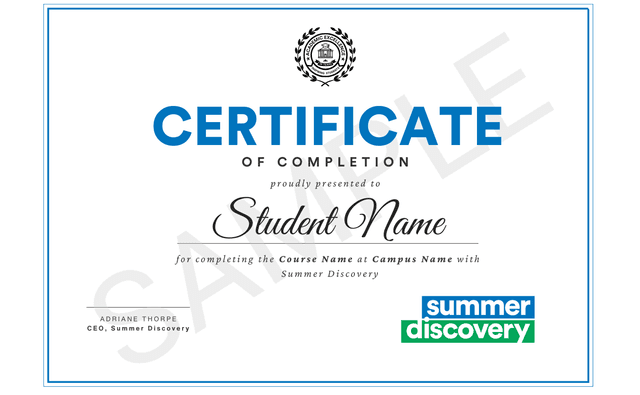
Summer Discovery Certificate of Completion
After successfully finishing this course, you will be awarded a certification completion for your accomplishment.
*This is a preview, not what you will receive
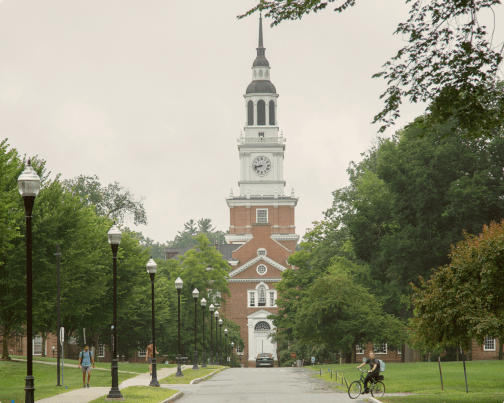
Dartmouth
Dartmouth
Dartmouth
Dartmouth