

More reasons to enroll early: Save $250 on tuition + 50% off your deposit. Enroll by Oct 31.
Write and film sports reports and highlights in this 3-week media program for high school students on UT Austin’s campus.
Rated 4.6 out of 5 for course experience by students surveyed across the broader program in 2026.
Course Description
A strong sports report does more than recap a result. Find the story, write it for the ear, and use delivery and images to hold an audience’s attention.
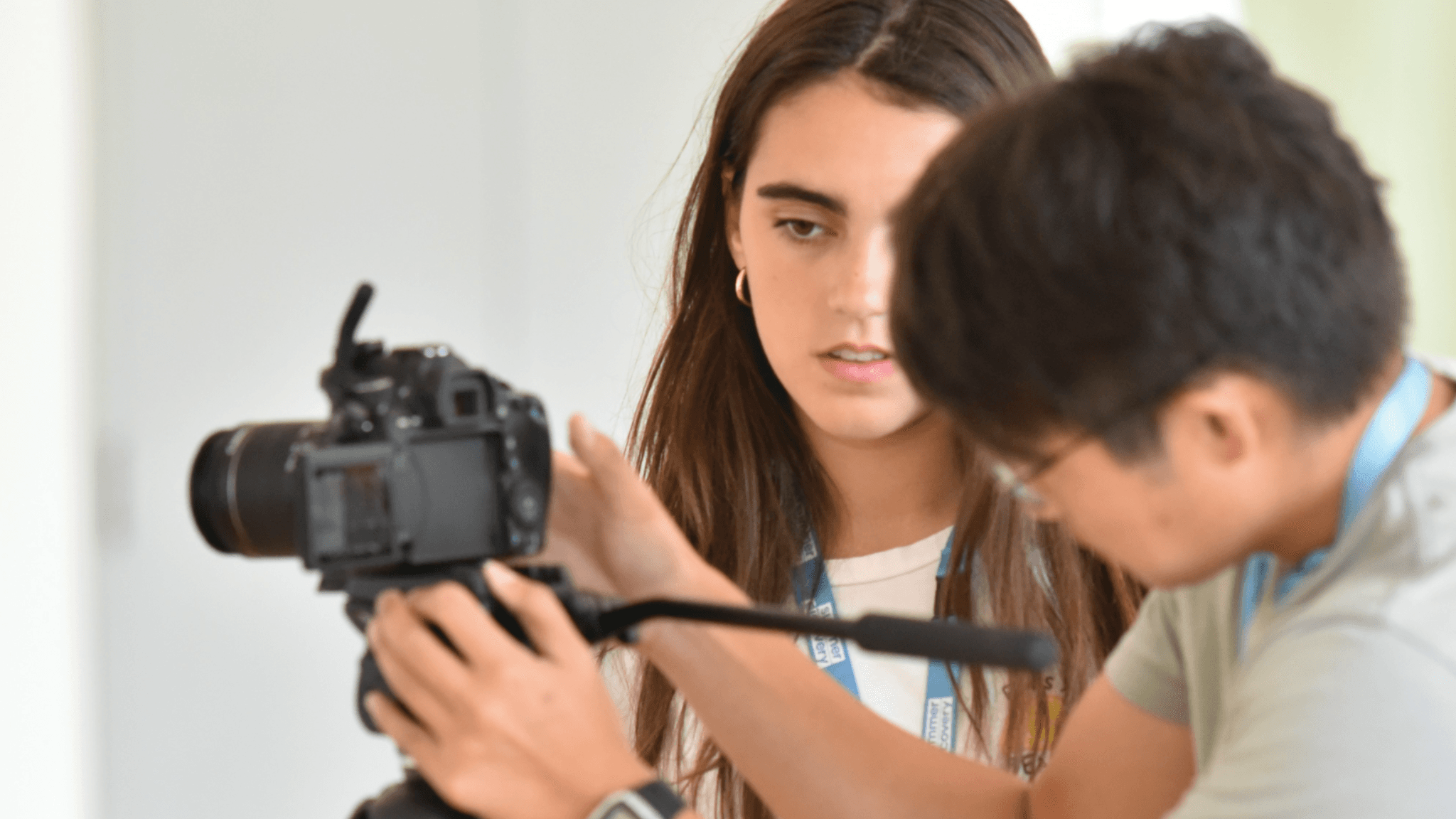
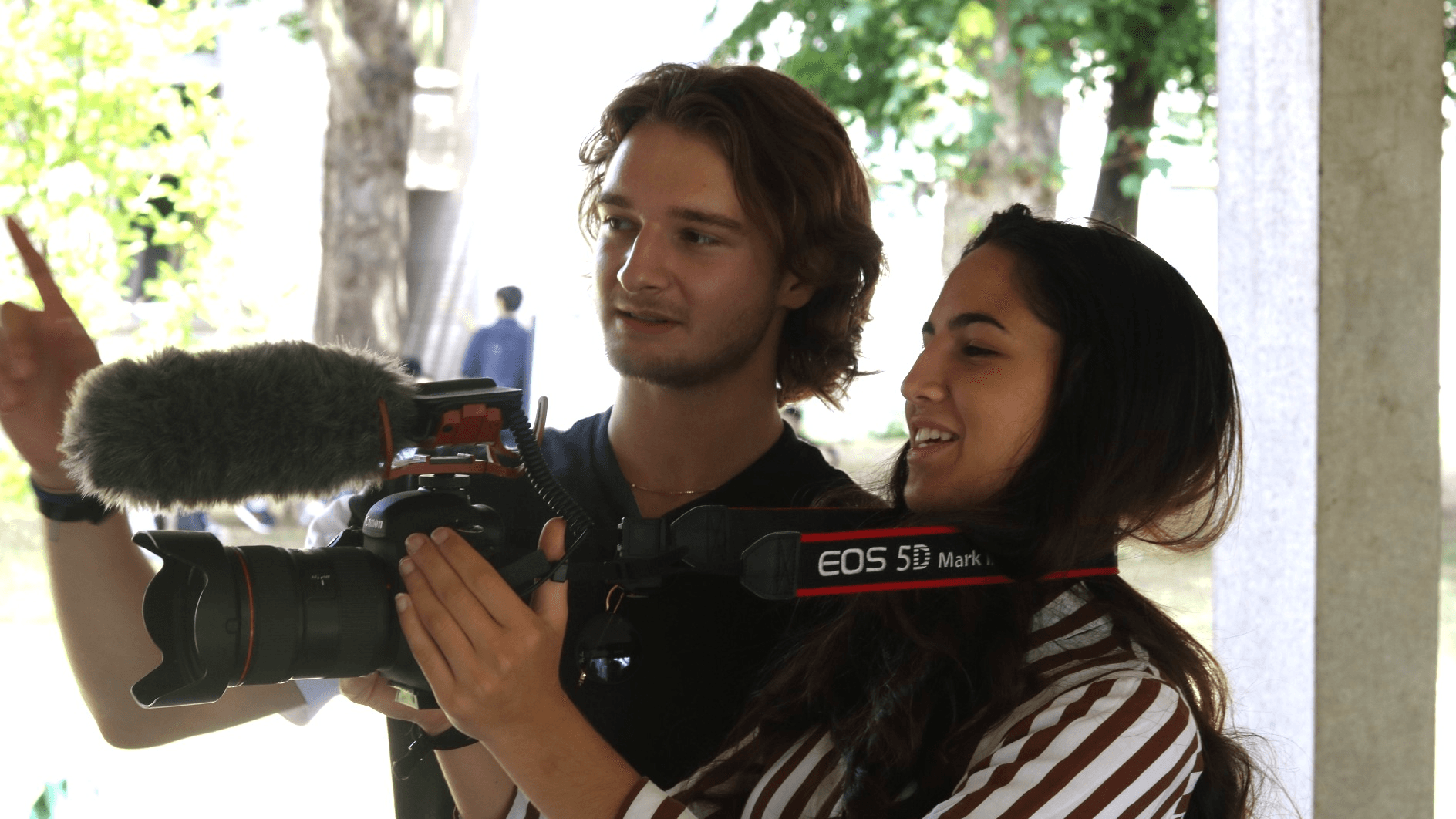
In this course you will explore sports media through anchoring, reporting, writing, speaking, listening, and production. Workshops develop attention-grabbing scripts and clear highlights. Film mock live shots and reports, then review how verbal and nonverbal cues affect credibility and likability.
Inclusive coverage means considering stories across sports, cultures, genders, levels, and abilities. Look at who receives attention and how the story is framed. A reporting experience at Dell Diamond takes the work into a live sports setting.
Guest speakers and professional feedback help you examine scripts, on-camera presence, and editorial choices. Repeated filmed assignments give you something concrete to revisit: tighten a line, reconsider delivery, or change how the story is presented. Your finished reports and highlights bring together written storytelling and on-camera performance.
This three-week course for high school students takes place at UT Austin in Austin, Texas. The course is available to residential and commuter students. The program is developed by the University of Texas at Austin and offered in partnership with Summer Discovery.
What You Will Do
• Analyze the role, responsibilities, and storytelling choices of sports media
• Write attention-grabbing broadcast scripts and highlight copy
• Film mock live shots, reports, and sports-highlight segments
• Evaluate verbal and nonverbal cues that shape credibility
• Report from Dell Diamond and apply professional newsroom expectations
• Revise filmed work using feedback from an industry professional
Learning Outcomes
By the end of the course, students will be able to:
• Write concise sports-broadcast scripts with a clear angle and audience focus
• Produce and deliver mock live reports and highlight segments
• Explain how editorial, verbal, visual, and nonverbal choices affect credibility
You’ll leave with your filmed reports, highlights and a certificate of completion.
Students receive a University of Texas branded certificate of completion at the end of the program.
Why Sports Media Skills Matter
Sports media combines journalism, performance, and production. A reporter must identify the most useful angle, verify details, write concise language, and deliver it naturally under time constraints. Watching a recording reveals how pacing, emphasis, body language, and framing affect whether the audience trusts and follows the story.
Feedback makes these skills improve. Students learn to separate a useful editorial note from personal preference and revise both script and delivery. Inclusive story selection adds another layer by asking whose experiences are represented. These habits support journalism, communications, media production, marketing, public relations, and any role where accurate information must become an engaging public message.
Who Should Attend?
For students who have completed 9th, 10th, 11th, or 12th grade.
A good sports segment can make you notice the writing as much as the performance. This course suits students drawn to journalism, video, storytelling, or being on camera. Frequent writing, filming, direct feedback, and revision are part of the work. A computer or laptop is required for notes and submitting assignments.
Your Summer at University of Texas at Austin
Studying on UT Austin’s Forty Acres campus gives high-school students a substantive introduction to academic life in Austin, Texas. Courses draw from popular undergraduate fields and Austin specialties. Full-day academies offer concentrated study, while classes across the program take place in campus classrooms and laboratories and may include guest speakers and fieldwork around Austin.
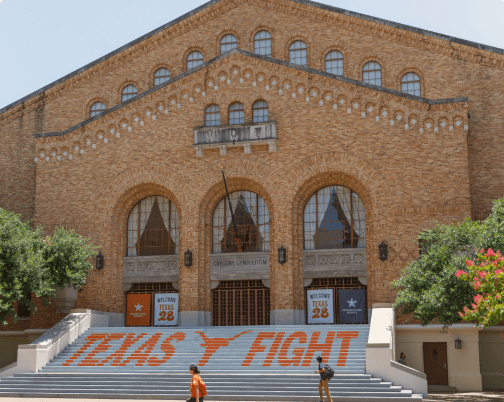
The experience extends beyond class for both residential and commuting students. Residential students live in Jester Hall, eat at J2, a popular campus dining hall, and take part in activities that may range from a star party at PMA to time at Gregory Gym, Zilker Park, South Congress, or an Austin FC match. Students gain independence, meet peers, and leave with a clearer view of college life, possible directions for future study, and what it can feel like to be a Longhorn.

UT Austin Certificate of Completion
After successfully finishing this course, you will be awarded a certification completion for your accomplishment.
*This is a preview, not what you will receive