
More reasons to enroll early: Save $250 on tuition + 50% off your deposit. Enroll by Oct 31.
Analyze a sports league and present a management strategy in this 3-week program for high school students on UT Austin’s campus.
Rated 4.6 out of 5 for course experience by students surveyed across the broader program in 2026.



Course Description
A sports league needs more than a good game to grow. Investigate the choices behind its structure, its people, and its relationship with fans and communities.
In this course you will explore professional leagues, college sports, associations, franchises, and emerging competitions. Current sports-business news opens class discussion; study groups analyze assigned readings. Leadership, strategy, ownership, valuation, labor, compensation, and community relationships become questions to work through with evidence.
Use cases to assess strengths, weaknesses, opportunities, and threats, and investigate what causes a problem. Behavioral economics, league structures, roster and staffing choices, agent contracts, branding, and outreach add perspectives. Guest speakers share industry perspectives, while visits to Q2 Stadium and St. David’s Performance Center show professional operations in context.
For a team project, evaluate an emerging professional league, investigate its challenges and the conditions around it, and recommend a growth strategy. Individually, research a current industry issue and challenge accepted practice where the evidence supports it. A substantial professional presentation, reflection, and feedback help you explain your position and examine your own contribution.
This three-week course for high school students takes place at UT Austin in Austin, Texas. The course is available to residential and commuter students. The program is developed by the University of Texas at Austin and offered in partnership with Summer Discovery.
What You Will Do
• Analyze current sports-business news through structured class discussion
• Compare league, college-sports, franchise, ownership, and labor models
• Assess a sports organization’s position, investigate root causes, and apply behavioral economics
• Examine staffing, player compensation, contracts, branding, and community outreach
• Recommend a strategy for an emerging professional sports league
• Research and present a critical issue affecting the sports industry
Learning Outcomes
By the end of the course, students will be able to:
• Analyze how structure, incentives, leadership, and markets affect sports organizations
• Develop a practical growth recommendation using industry evidence
• Support a strategic position on a current sports-business issue
You’ll leave with your team’s league recommendation, individual industry presentation and a certificate of completion.
Students receive a University of Texas branded certificate of completion at the end of the program.
Why Sports Management Skills Matter
Sports management requires students to look beyond scores and identify how structure, incentives, money, labor, leadership, and community relationships affect an organization. Assessing strengths, weaknesses, opportunities, threats, and root causes helps them distinguish a visible problem from the conditions producing it. Current-event discussions require evidence rather than fan preference.
Group recommendations and individual presentations strengthen strategic thinking, listening, and professional communication. Students must connect an idea with its practical consequences for teams, leagues, athletes, employees, sponsors, media, and communities. These skills support future work in business, economics, communications, public relations, law, and any organization where leaders allocate resources and respond to competing interests.
Who Should Attend?
For students who have completed 9th, 10th, 11th, or 12th grade.
If you follow sports and wonder why a league grows, a team changes direction, or an athlete signs a deal, this course lets you look behind those decisions. Business, marketing, money, and the people around a team all have a part to play.
You’ll follow current news, read and discuss cases with a study group, and develop two substantial projects: a team league recommendation and an individual industry presentation.
Your Summer at University of Texas at Austin
Studying on UT Austin’s Forty Acres campus gives high-school students a substantive introduction to academic life in Austin, Texas. Courses draw from popular undergraduate fields and Austin specialties. Full-day academies offer concentrated study, while classes across the program take place in campus classrooms and laboratories and may include guest speakers and fieldwork around Austin.
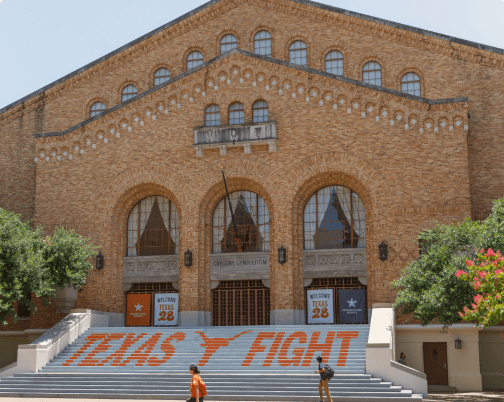
The experience extends beyond class for both residential and commuting students. Residential students live in Jester Hall, eat at J2, a popular campus dining hall, and take part in activities that may range from a star party at PMA to time at Gregory Gym, Zilker Park, South Congress, or an Austin FC match. Students gain independence, meet peers, and leave with a clearer view of college life, possible directions for future study, and what it can feel like to be a Longhorn.
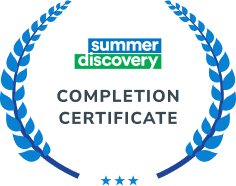
UT Austin Certificate of Completion
After successfully finishing this course, you will be awarded a certification completion for your accomplishment.
*This is a preview, not what you will receive