
More reasons to enroll early: Save $250 on tuition + 50% off your deposit. Enroll by Oct 31.
Process evidence and present a mock investigation in this 3-week forensic science program for high school students on UT Austin’s campus.
Rated 4.6 out of 5 for course experience by students surveyed across the broader program in 2026.


Course Description
A fingerprint or a single fiber can change the direction of an investigation. Preserve it, compare it, and explain what it actually supports.
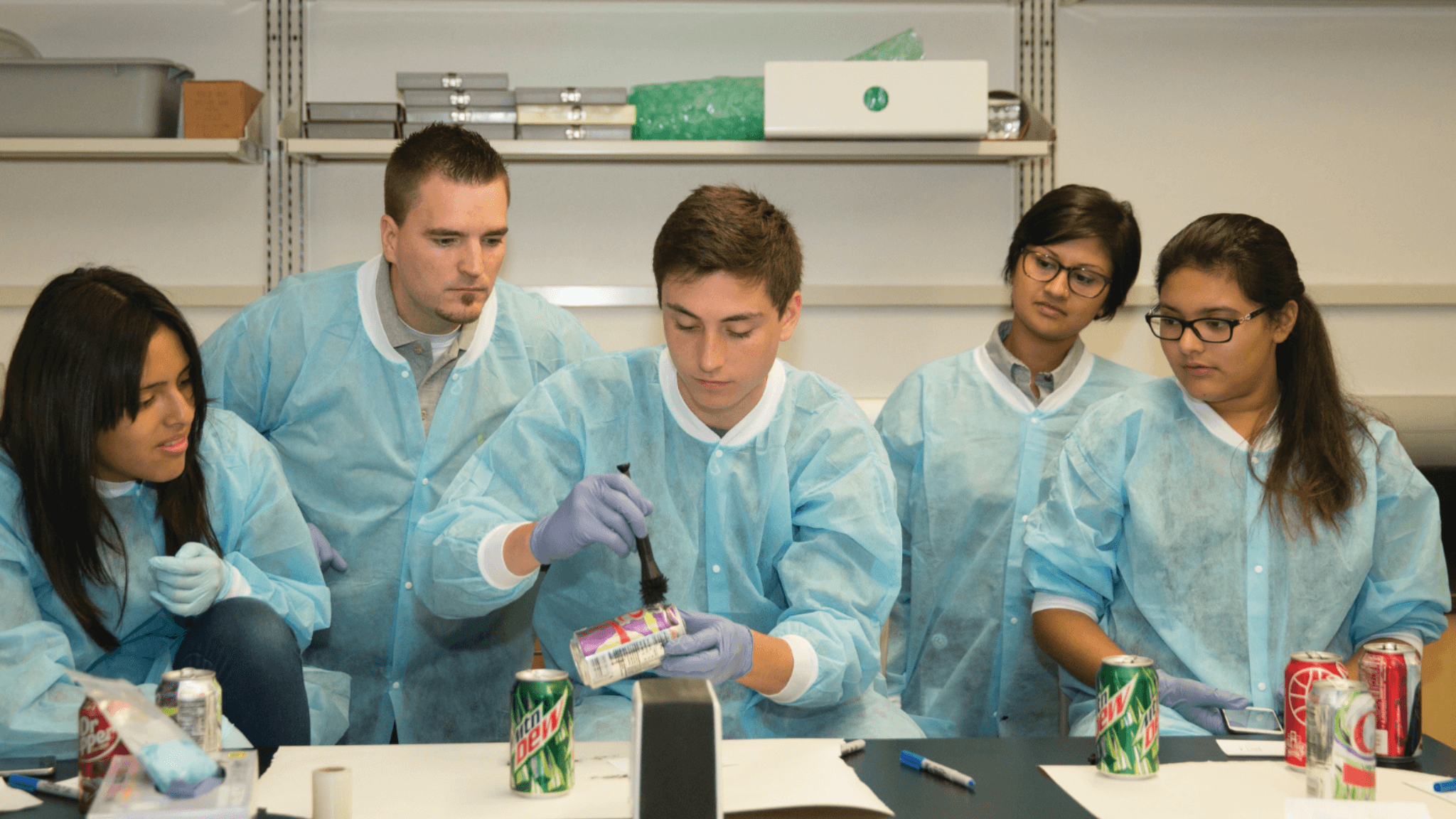
In this course you will screen biological fluids and explore how DNA is extracted, amplified, and compared through profiles. Explore how DNA databases can connect cases. Develop fingerprints on porous and nonporous surfaces, lift prints, and use photographs, sketches, notes, and measurements to document evidence.
Other work examines firearms, bloodstain patterns, hair, fibers, paint, glass, impressions, drugs, and toxicology. Digital-evidence study follows preservation, acquisition, extraction, and interpretation. Across these methods, laboratory observations need to support a conclusion without overstating it.
Two team-based mock crime scenes bring the work together. Document each scene, collect and process evidence, and present your findings. Case discussions and a crime-laboratory tour connect the exercises with laboratory disciplines, expert testimony, and legal responsibilities. It’s a chance to practice the care behind a forensic conclusion as well as the science behind a result.
This three-week course for high school students takes place at UT Austin in Austin, Texas. The program is developed by the University of Texas at Austin and offered in partnership with Summer Discovery. Residential and commuter options are available.
A supplemental course fee of $95 applies.
What You Will Do
• Screen biological evidence and examine how DNA profiles are produced and compared
• Develop, lift, photograph, and compare latent fingerprints
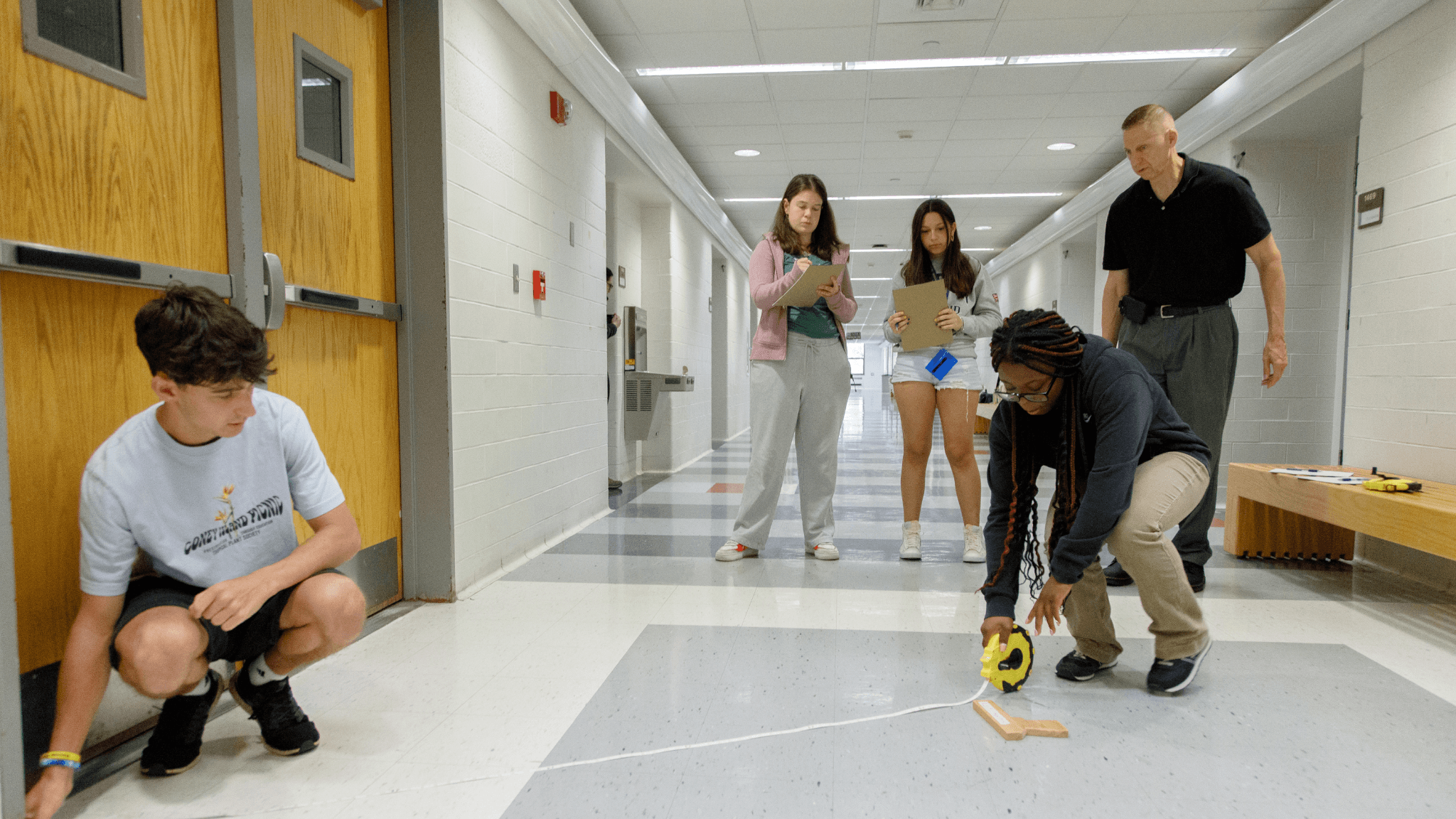
• Document mock crime scenes with photographs, sketches, notes, and measurements
• Examine firearms, bloodstain-pattern, trace, drug, and toxicology evidence
• Study digital-evidence preservation, acquisition, extraction, and interpretation
• Process two team crime scenes and present evidence-based findings
Learning Outcomes
By the end of the course, students will be able to:
• Document and process a crime scene while protecting evidence from contamination
• Apply selected serology, DNA, fingerprint, and trace-evidence methods
• Interpret and present forensic findings with appropriate limits and legal context
You’ll leave with your mock-scene documentation, team findings presentation, and a certificate of completion.
Students receive a University of Texas branded certificate of completion at the end of the program.
Why Forensic Investigation Skills Matter
Forensic science depends on careful methods because evidence can be altered, contaminated, or misunderstood. Documenting a scene before collecting an item preserves context. Comparing a questioned sample with a known sample requires consistent procedures, and interpreting a result requires students to distinguish what the evidence supports from what remains uncertain.
These practices strengthen observation, scientific reasoning, recordkeeping, and communication. Team crime-scene work also shows why specialists must coordinate across disciplines. Explaining findings to a class mirrors the responsibility forensic professionals have when communicating with investigators, attorneys, or a court. The same habits support laboratory science, research, criminal justice, and evidence-based decision-making.
Who Should Attend?
For students who have completed 9th, 10th, 11th, or 12th grade.
If forensic stories make you wonder what really happens in a laboratory, this course offers a closer look. Biology, chemistry, and law meet in the task of explaining what physical evidence can show.
Expect laboratory and evidence-handling procedures, team scenes, real-case discussions, readings, and occasional assignments. Careful documentation and clear explanations are as important as finding a clue.
Your Summer at University of Texas at Austin
Studying on UT Austin’s Forty Acres campus gives high-school students a substantive introduction to academic life in Austin, Texas. Courses draw from popular undergraduate fields and Austin specialties. Full-day academies offer concentrated study, while classes across the program take place in campus classrooms and laboratories and may include guest speakers and fieldwork around Austin.
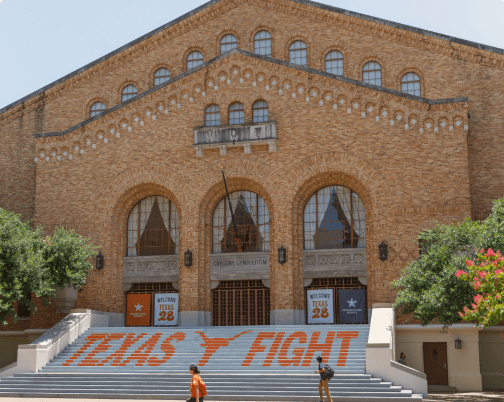
The experience extends beyond class for both residential and commuting students. Residential students live in Jester Hall, eat at J2, a popular campus dining hall, and take part in activities that may range from a star party at PMA to time at Gregory Gym, Zilker Park, South Congress, or an Austin FC match. Students gain independence, meet peers, and leave with a clearer view of college life, possible directions for future study, and what it can feel like to be a Longhorn.

UT Austin Certificate of Completion
After successfully finishing this course, you will be awarded a certification completion for your accomplishment.
*This is a preview, not what you will receive