
More reasons to enroll early: Save $250 on tuition + 50% off your deposit. Enroll by Oct 31.
Build medical prototypes and propose a regenerative medicine idea in this 3-week biomedical science program for middle school students on UCLA’s campus.
Seats are limited, and this course may sell out for summer 2027. Enroll early to save your seat.

Course Description
Build a model heart valve, then put it to the test. A small design choice can change how it works.
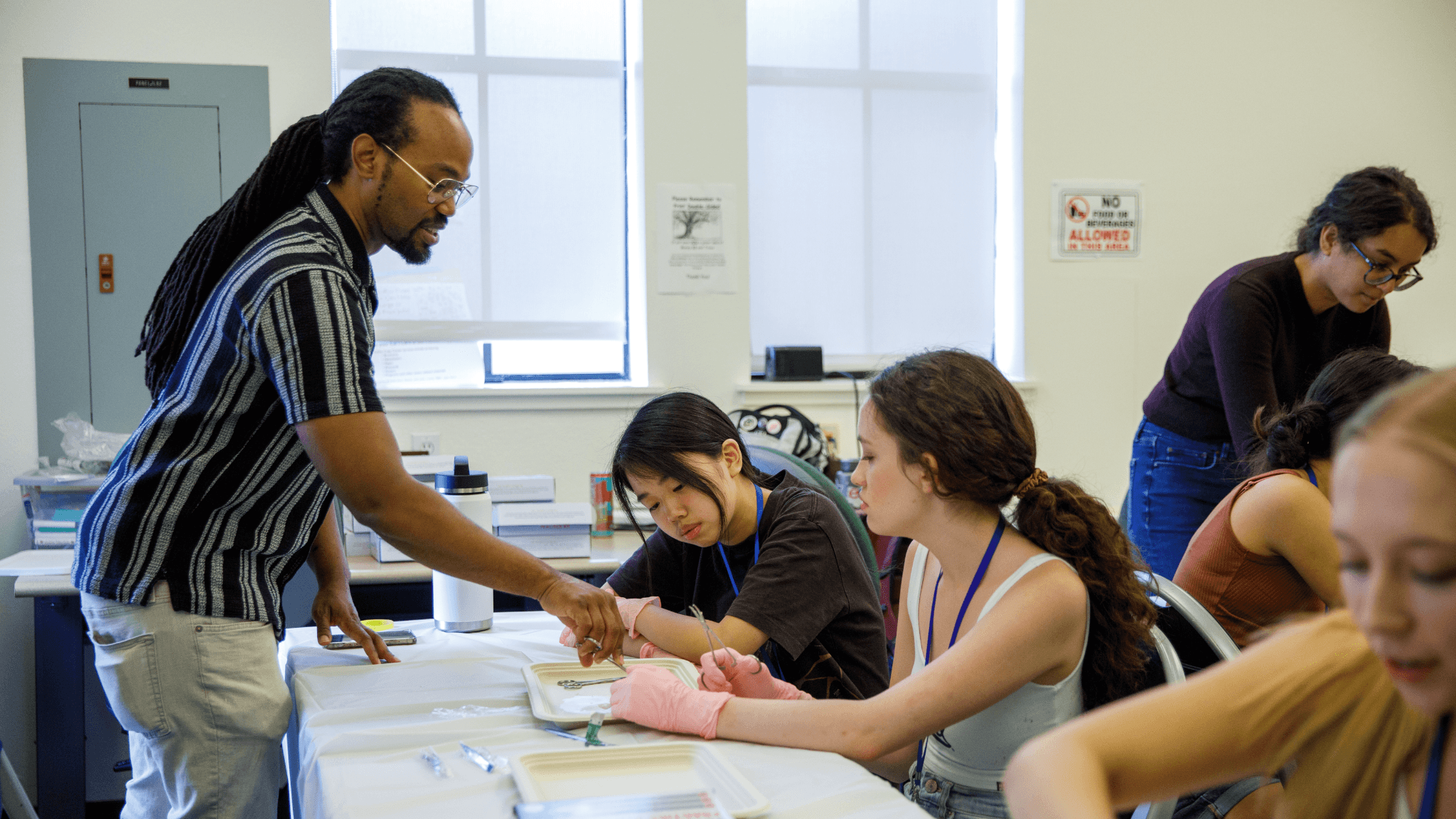
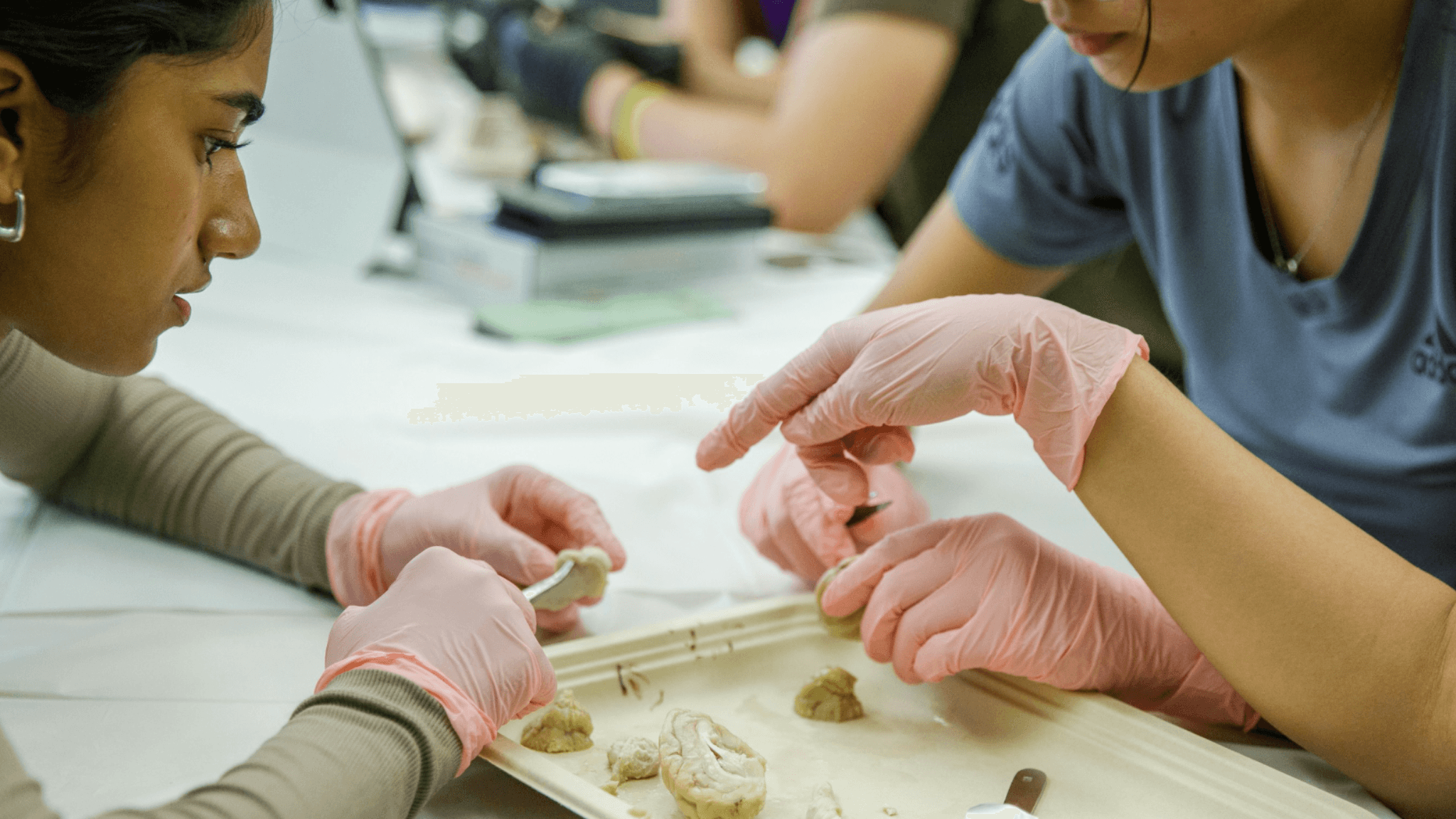
In this course your student will build a life-size anatomy model and discover how engineering can help the body. Teams design a prosthetic limb, test heart-valve and lung models, and explore stem cells, 3D-printed organs, kidney treatments, and liver function. An ear trumpet, vision simulations, and cochlear-implant discussions connect designs with the people who use them.
A science journal captures their designs and discoveries. For their own proposal, students explore regenerative medicine: ways to repair or replace damaged tissue. They’ll explain who their idea could help, how it might work, and its benefits and drawbacks. Questions about cost, law, education, or technology help them look beyond the model. Then they’ll choose how to present their idea to classmates.
This three-week course for middle school students is part of Summer Discovery’s Institute for the Gifted program on UCLA’s campus in Los Angeles, California. Residential and commuter options are available.
What You Will Do
• Build a life-size body model showing organ functions
• Design a prosthetic limb within material constraints
• Research 3D-printed organs and compare kidney-failure treatments
• Build and test heart-valve and lung models
• Explore vision, hearing, and cochlear-implant questions
• Propose and present a new regenerative-medicine application
Learning Outcomes
By the end of the course, students will be able to:
• Explain how organs work and how medical devices can help
• Use test results to evaluate and improve a design
• Explain a medical idea’s benefits, limits, and effects on patients
You’ll leave with a science journal, biomedical models, a regenerative-medicine proposal, and a certificate of completion.
Why Biomedical Engineering Skills Matter
Biomedical engineering asks students to connect how the body works with how a design must perform. A heart valve must control the direction of flow. A prosthetic limb must respond to movement and fit the user. A lung model must account for expansion and gas exchange.
Building and testing models develops observation, iteration and evidence-based problem solving. Students also consider the person behind the device. Cost, comfort, access and ethics can be as important as technical performance. Balancing those factors helps them see why medical innovation requires both scientific knowledge and human judgment.
Who Should Attend?
For students who have completed 6th, 7th, or 8th grade.
If your student enjoys making things and wonders how the body works, this course brings those interests together. They’ll explore how a device could help someone, try designs with classmates, and develop a medical idea of their own. There’s room to follow their curiosity across medicine and engineering without having to choose a future career.
Institute for the Gifted eligibility requirements apply; see the program FAQ.
Your Summer at UCLA
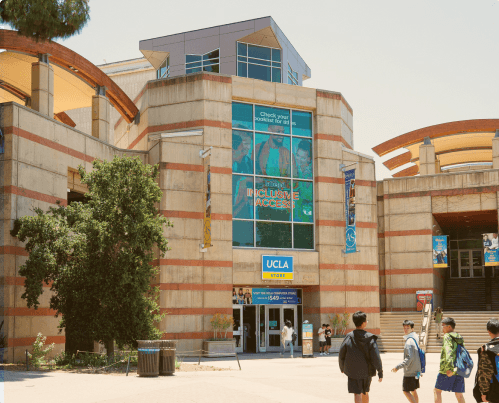
UCLA gives middle-school students an energetic place to learn, have fun, and experience campus life in Los Angeles. The setting brings together science, technology, creativity, entertainment, and culture, helping new subjects feel connected to a wider world of ideas.
The program combines hands-on academics with friendships, campus activities, clear routines, and support as students become comfortable in a large university environment. Students can try new challenges, share interests with peers, and build confidence through participation without needing to decide where those interests will lead. For families, UCLA offers a structured middle-school experience that balances substantive learning with fun, community, and age-appropriate independence. Students leave with new memories and a clearer sense of what they may want to explore next.
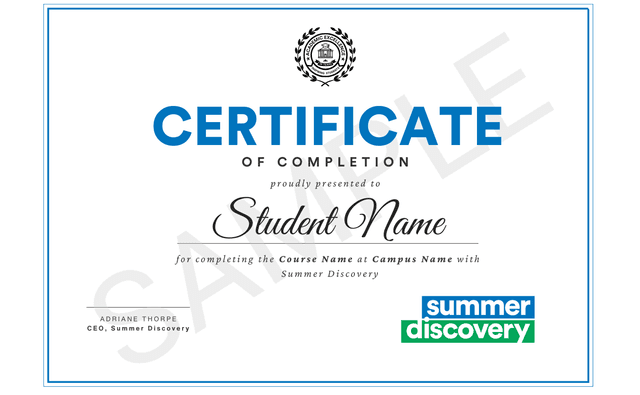
Summer Discovery Certificate of Completion
After successfully finishing this course, you will be awarded a certification of completion for your accomplishment.
*This is a preview, not what you will receive