
More reasons to enroll early: Save $250 on tuition + 50% off your deposit. Enroll by Oct 31.
Investigate pathogens and propose a public-health solution in this 3-week microbiology program for middle school students on UCLA’s campus.
Seats are limited, and this course may sell out for summer 2027. Enroll early to save your seat.
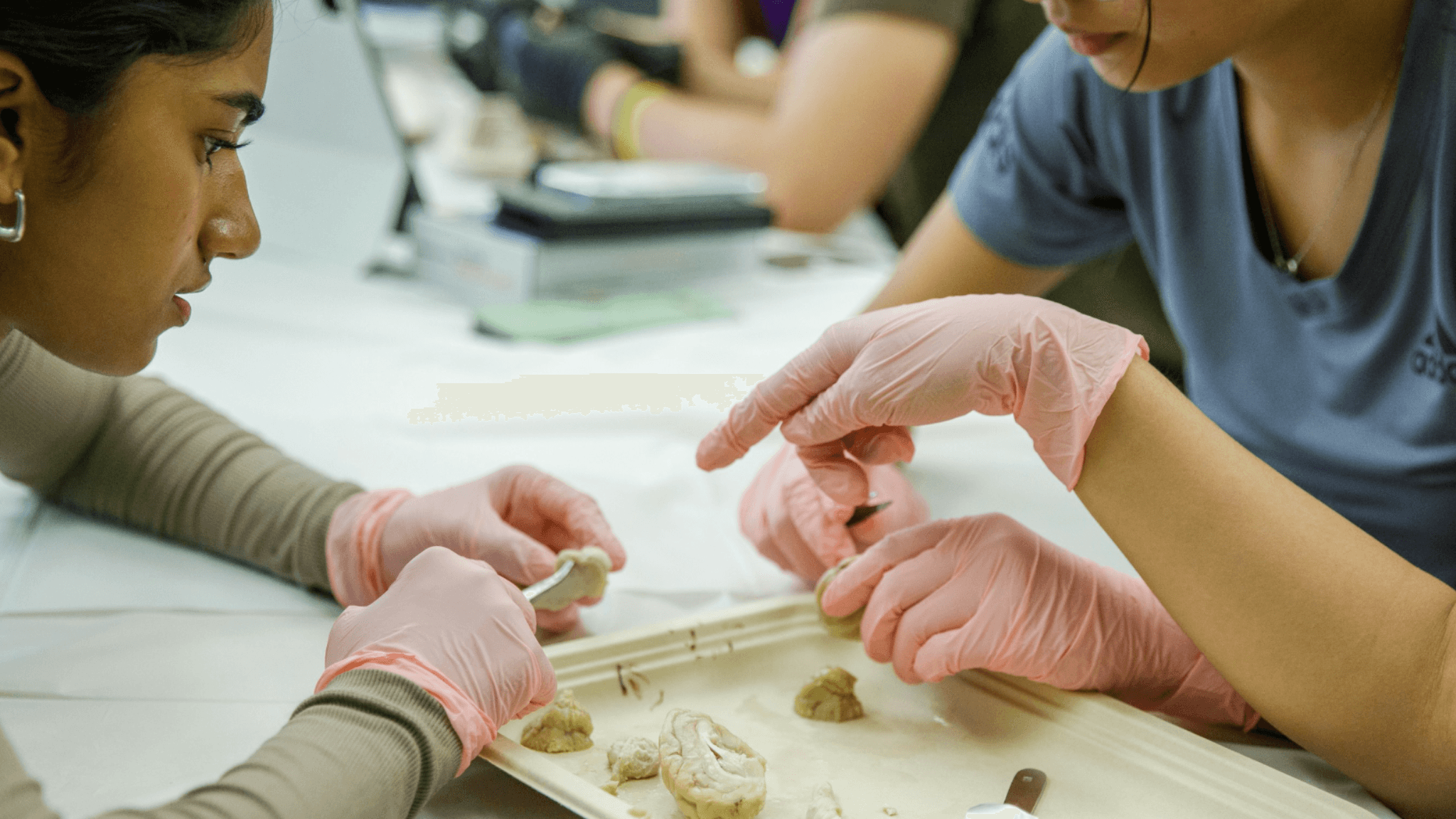
Course Description
Simulated germs can travel farther than expected. Tracking them gives your student a way to test how infection spreads.
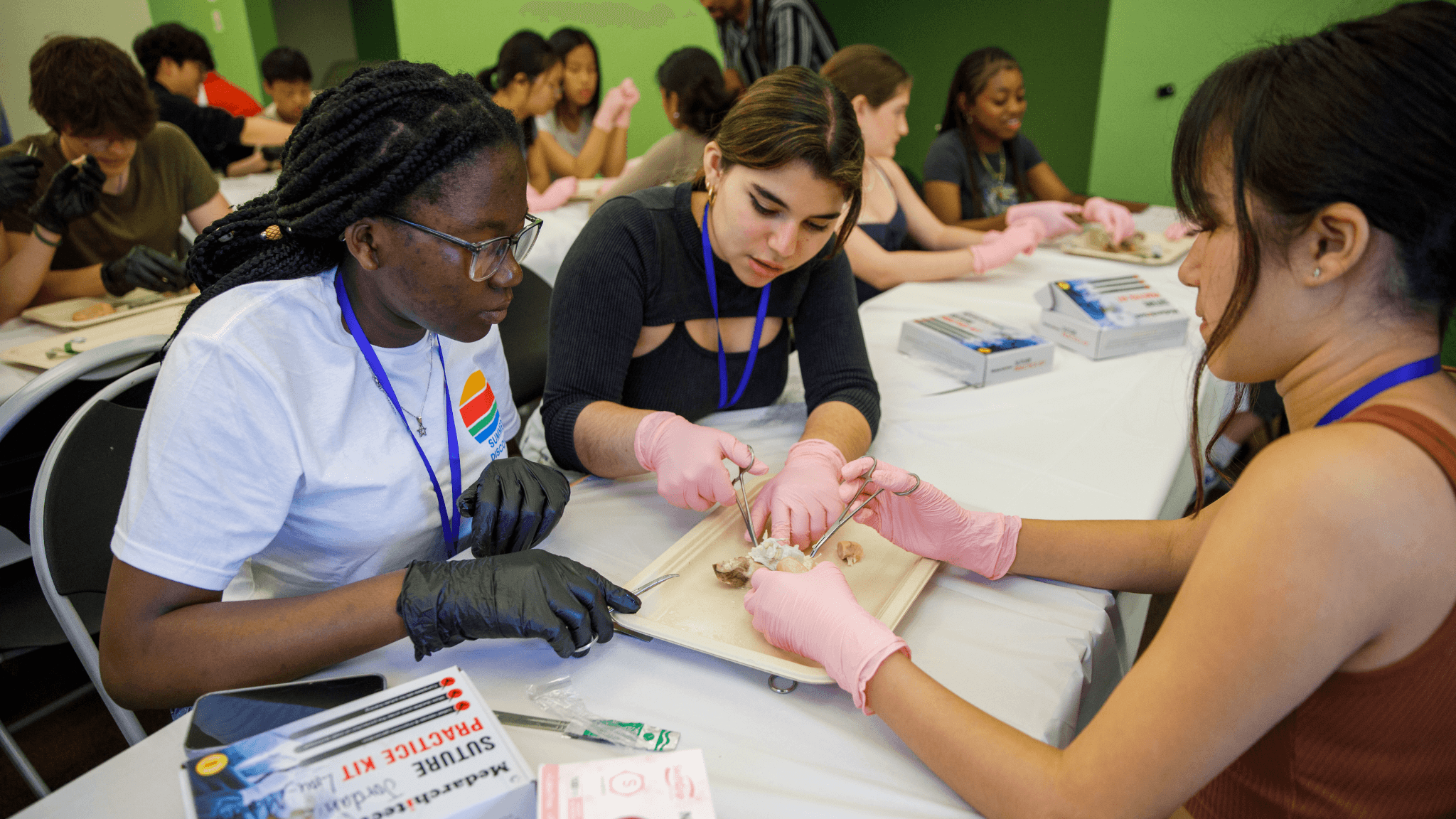
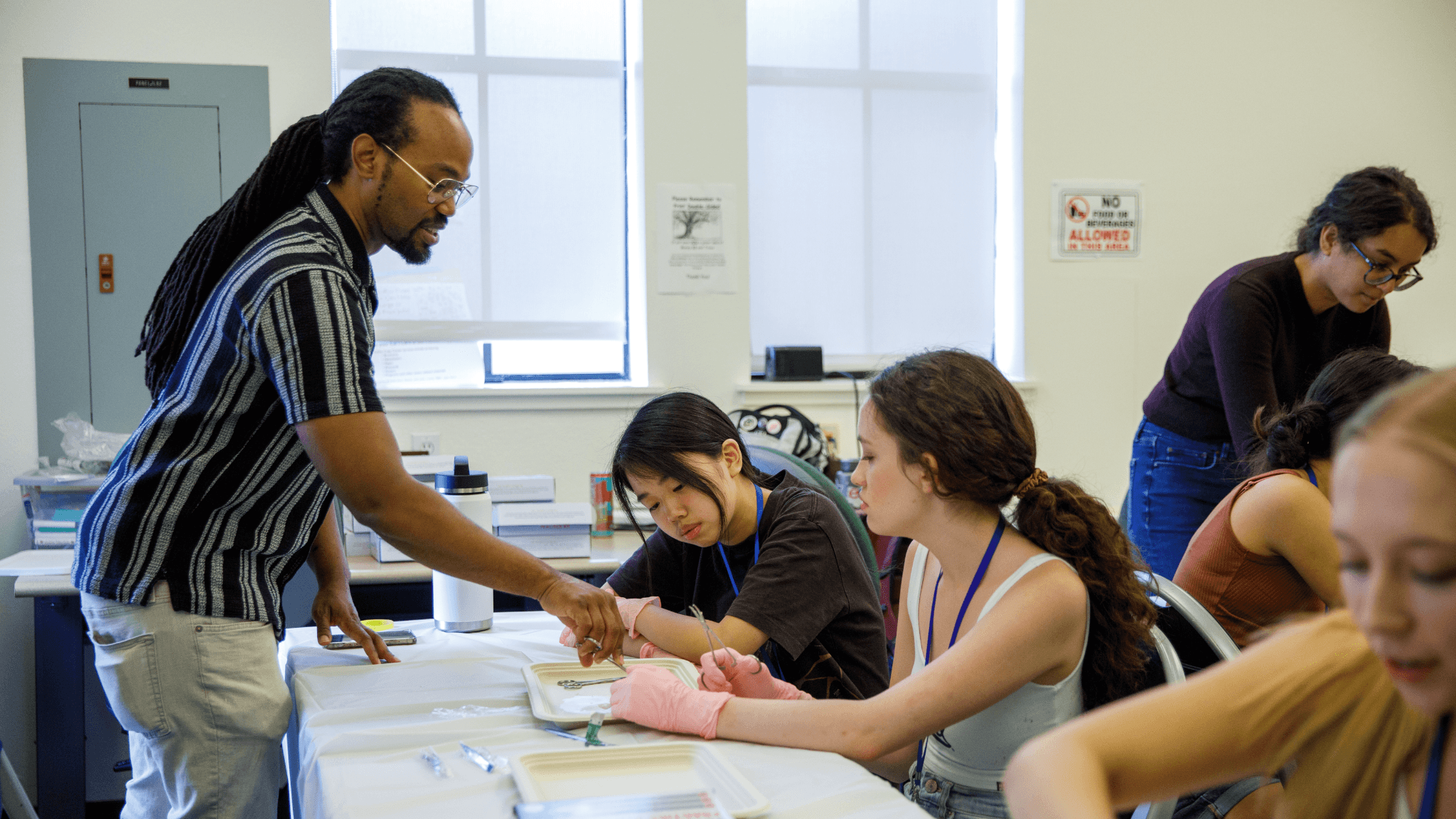
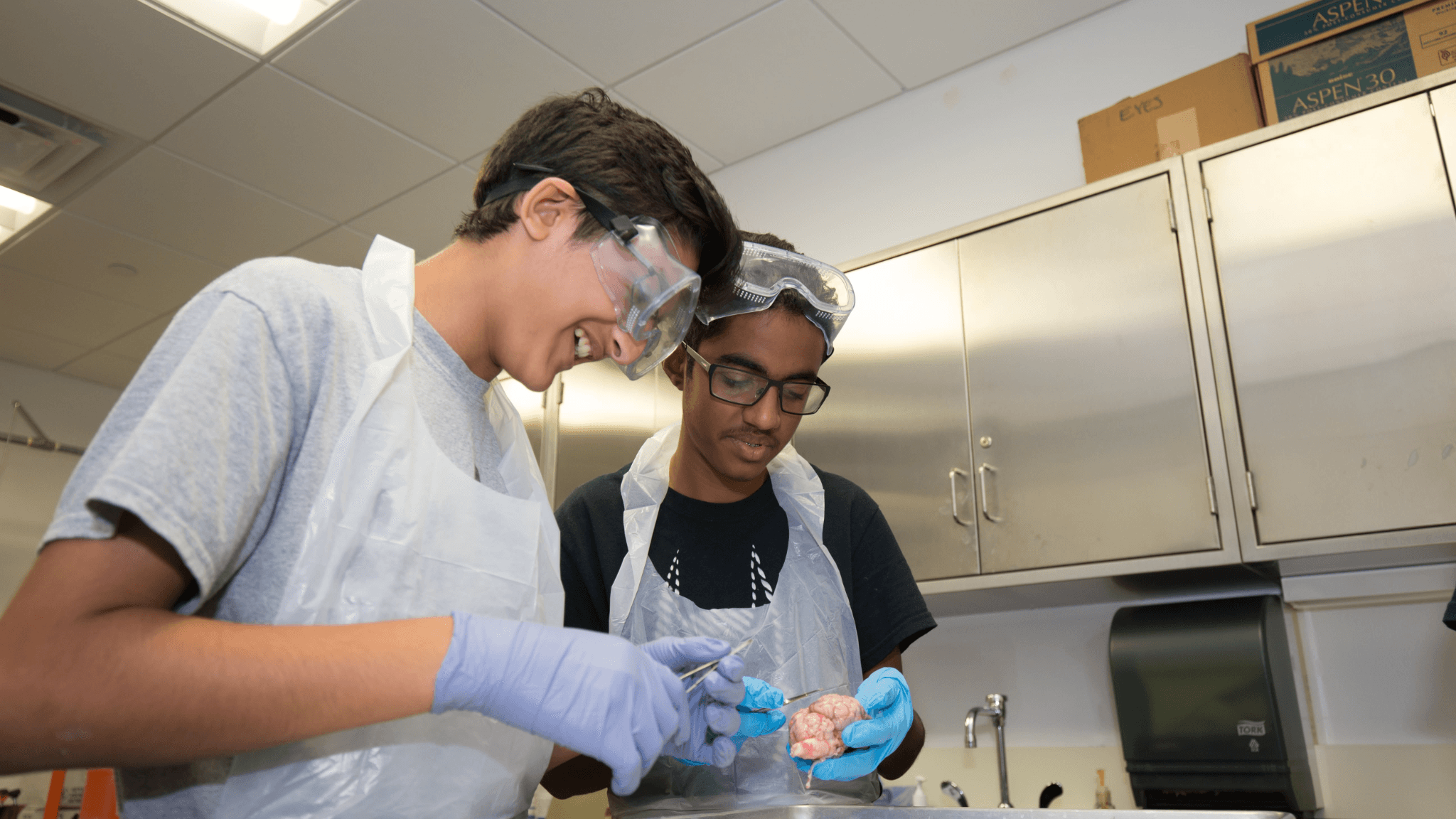
In this course your student will trace microbiology discoveries and compare bacteria, viruses, fungi, parasites, immunity, and the microbiome. Research, games, and cases make these tiny organisms easier to investigate.
They’ll test handwashing, map immune cells, and adopt a microbe to profile. Patient-history questions help them examine animal-borne and parasitic infections. Antibiotic resistance shows why treatments can stop working; transmission and herd-immunity simulations reveal patterns across a population.
For a four-part project, each student chooses a challenge in infectious disease, microbiome research, or biotechnology. They’ll research and compare three solutions, considering what happens inside the body and the effects on public health. A presentation with visual aids brings the proposal together. Peer responses and reflection help students strengthen their explanation.
This three-week course is part of Summer Discovery’s Institute for the Gifted program on UCLA’s campus. The course is available to residential and commuter students.
What You Will Do
• Trace discoveries that changed our understanding of microbes
• Test handwashing and model how germs spread
• Compare harmful microbes, helpful bacteria, and immune responses
• Investigate classroom infection cases using patient histories
• Examine antibiotic resistance, vaccines, and animal-borne infections
• Compare three solutions and present a microbiology proposal
Learning Outcomes
By the end of the course, students will be able to:
• Compare microbes that cause disease, how they spread, and how the body responds
• Use case and simulation evidence to explain infection and disease spread
• Explain a researched response to a microbiology or public-health challenge
You’ll leave with your research work, visual capstone presentation, and a certificate of completion.
Why Microbiology Skills Matter
Medical microbiology helps students connect tiny organisms with visible effects on people and communities. Comparing bacteria, viruses, fungi, and parasites builds classification skills, while patient cases require students to select evidence that supports a diagnosis. Transmission models show how one interaction can affect a larger population.
Researching treatments and public-health choices also teaches students to separate a scientific claim from a misconception. They practice weighing sources, explaining mechanisms, and considering ethical tradeoffs. These habits strengthen middle-school science, health literacy, problem-solving, and communication while showing why careful evidence matters when a topic affects real people.
Who Should Attend?
For students who have completed 6th, 7th, or 8th grade.
Questions about spreading illness, helpful bacteria, or how a treatment works can give your student a starting point in microbiology. Researching unfamiliar organisms, trying simulations with classmates, and making visual explanations offer different ways to explore health science. Health scenarios and a project of their own give those questions a focus.
Institute for the Gifted eligibility requirements apply; see the program FAQ.
Your Summer at UCLA
UCLA gives middle-school students an energetic place to learn, have fun, and experience campus life in Los Angeles. The setting brings together science, technology, creativity, entertainment, and culture, helping new subjects feel connected to a wider world of ideas.
The program combines hands-on academics with friendships, campus activities, clear routines, and support as students become comfortable in a large university environment. Students can try new challenges, share interests with peers, and build confidence through participation without needing to decide where those interests will lead. For families, UCLA offers a structured middle-school experience that balances substantive learning with fun, community, and age-appropriate independence. Students leave with new memories and a clearer sense of what they may want to explore next.
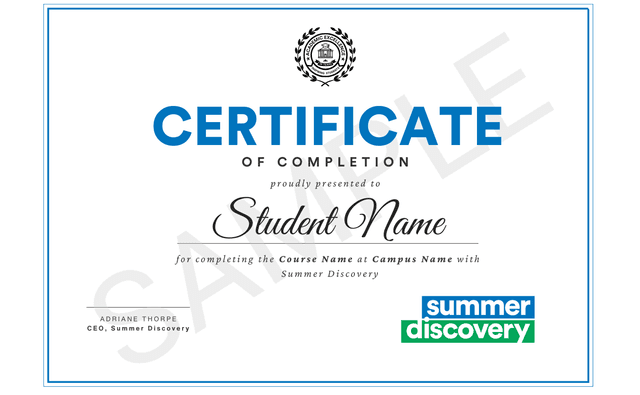
Summer Discovery Certificate of Completion
After successfully finishing this course, you will be awarded a certification of completion for your accomplishment.
*This is a preview, not what you will receive