
More reasons to enroll early: Save $250 on tuition + 50% off your deposit. Enroll by Oct 31.
Build and argue a courtroom case in this 3-week mock trial program for middle school students at UCLA.
Course Description
An argument has to stand up when the other side asks questions. Your student can try different courtroom roles and discover what makes evidence persuasive.
In this course your student will explore the roles of attorneys, defendants, witnesses, judges, and jurors, then learn the structure and rules that shape a trial.
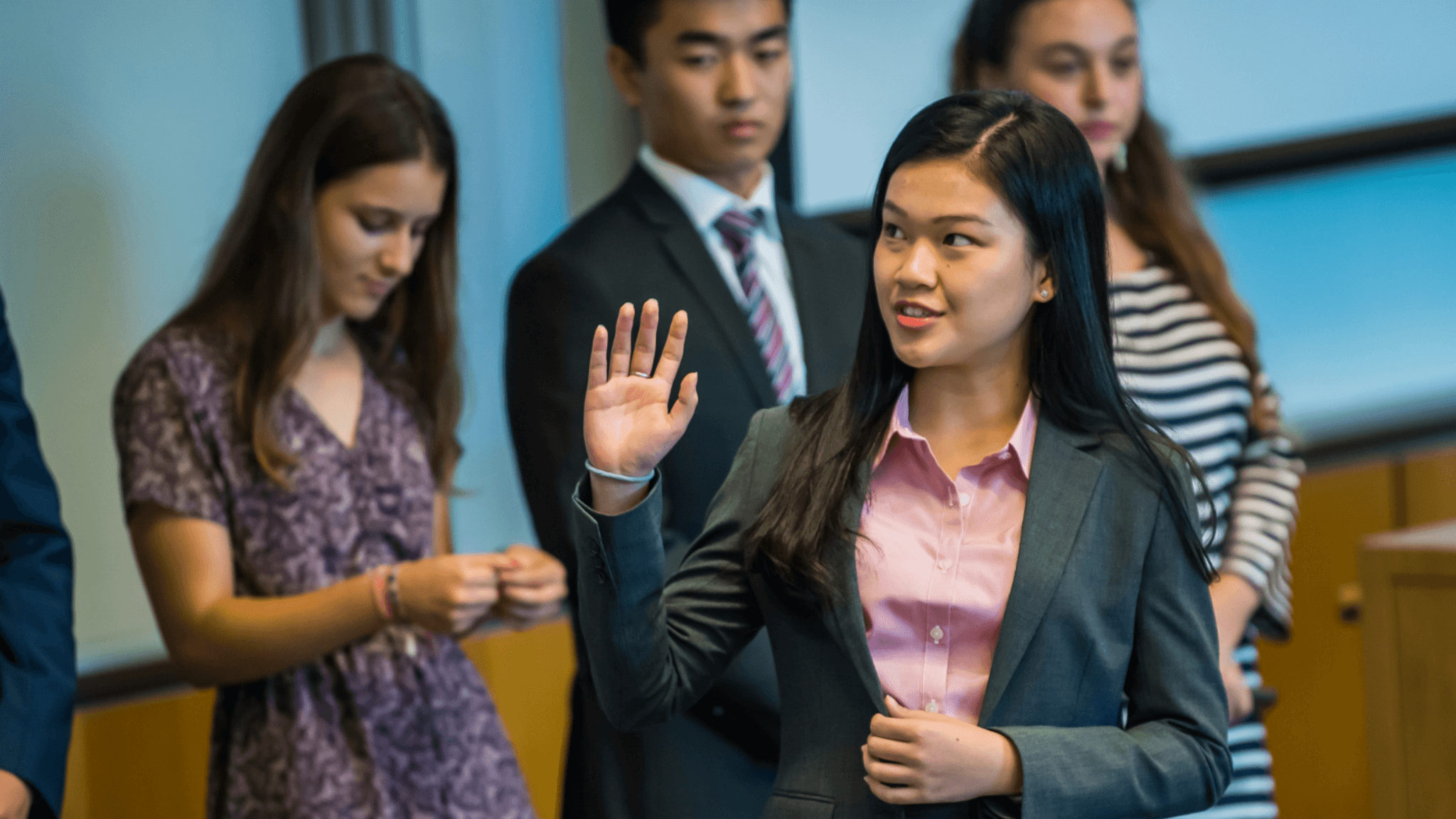
A case involves choices about evidence, witnesses, and the rules of the court. Students try objections, motions, jury selection, and direct and cross-examination in realistic hypothetical situations. Short lessons and case-study debates make rulings, appeals, jurisdictions, and different court levels easier to understand. Daily notes help them connect a claim with the reasons behind it.
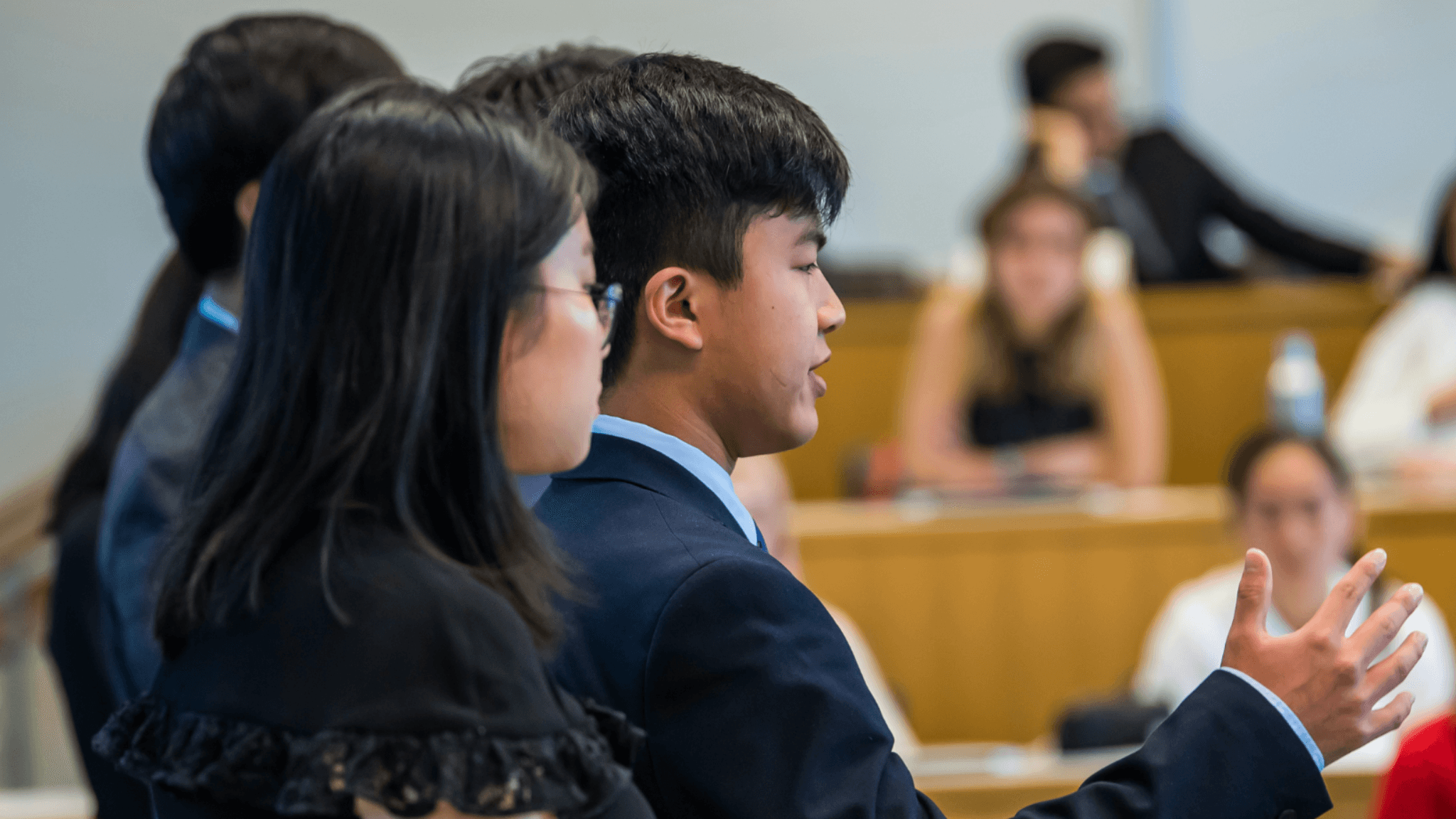
Opening and closing arguments give students space to put that thinking into words. They’ll practice questioning witnesses, responding to an opposing position, and speaking under pressure from different courtroom perspectives. Feedback helps them refine both the reasoning and the delivery, with careful use of evidence at the center of the challenge.
This three-week middle school program takes place at UCLA in Los Angeles, California. The program is developed by UCLA and offered in partnership with Summer Discovery. It is available to residential and commuter students.
What You Will Do
• Try the roles of attorneys, witnesses, judges, jurors, and defendants
• Practice objections and motions in a mock courtroom
• Compare the evidence on both sides of a case
• Develop questions for direct and cross-examination
• Explore how court levels, rulings, and appeals work
• Present and defend an argument in a case-study debate
Learning Outcomes
By the end of the course, students will be able to:
• Explain how courtroom roles and trial procedures shape a case
• Evaluate evidence and develop questions for witnesses
• Present a persuasive legal argument and respond to an opposing position
You’ll leave with your written case notes and a certificate of completion.
Why Mock Trial Skills Matter
Mock trial teaches students to build an argument within rules. They must decide which evidence matters, anticipate how another person will interpret it, and ask questions that reveal useful information. Objections and procedure add constraints that reward preparation rather than improvisation alone.
Taking different courtroom roles also strengthens perspective. A witness, attorney, judge, and juror may focus on different parts of the same case. Students learn to listen carefully, adjust a response, and explain why a conclusion follows from the evidence. Those habits support reasoning, public speaking, structured writing, and respectful disagreement.
Who Should Attend?
For students who have completed 6th, 7th, or 8th grade.
If your student likes discussing difficult questions, noticing gaps in an argument, or seeing a case from different sides, mock trial gives those interests a setting. They don’t need to be naturally outspoken or have previous debate experience. Case notes, work with classmates, and speaking to the group help them build an argument, hear an opposing view, and rethink a position when the evidence changes.
Your Summer at UCLA
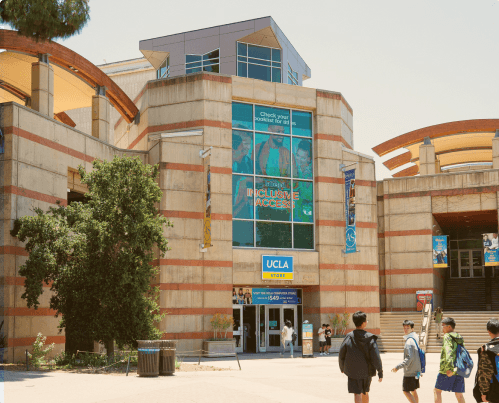
UCLA gives middle-school students an energetic place to learn, have fun, and experience campus life in Los Angeles. The setting brings together science, technology, creativity, entertainment, and culture, helping new subjects feel connected to a wider world of ideas.
The program combines hands-on academics with friendships, campus activities, clear routines, and support as students become comfortable in a large university environment. Students can try new challenges, share interests with peers, and build confidence through participation without needing to decide where those interests will lead. For families, UCLA offers a structured middle-school experience that balances substantive learning with fun, community, and age-appropriate independence. Students leave with new memories and a clearer sense of what they may want to explore next.
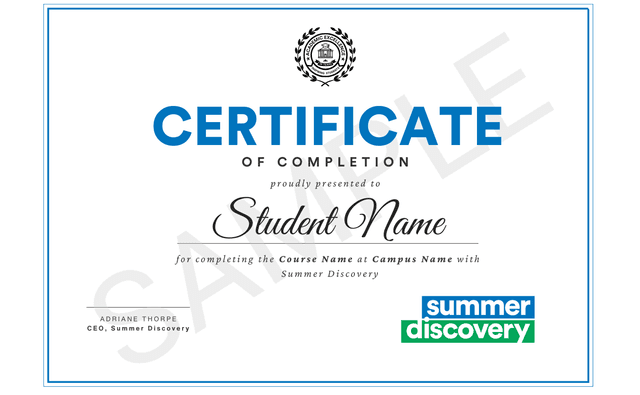
Summer Discovery Certificate of Completion
After successfully finishing this course, you will be awarded a certification of completion for your accomplishment.
*This is a preview, not what you will receive