
More reasons to enroll early: Save $250 on tuition + 50% off your deposit. Enroll by Oct 31.
Develop a research proposal in this two-week engineering research academy for high school students on UCLA’s campus.
Course Description
Good engineering research starts before anything is built. Choose a question specific enough to investigate, then work out what evidence and methods could help answer it.
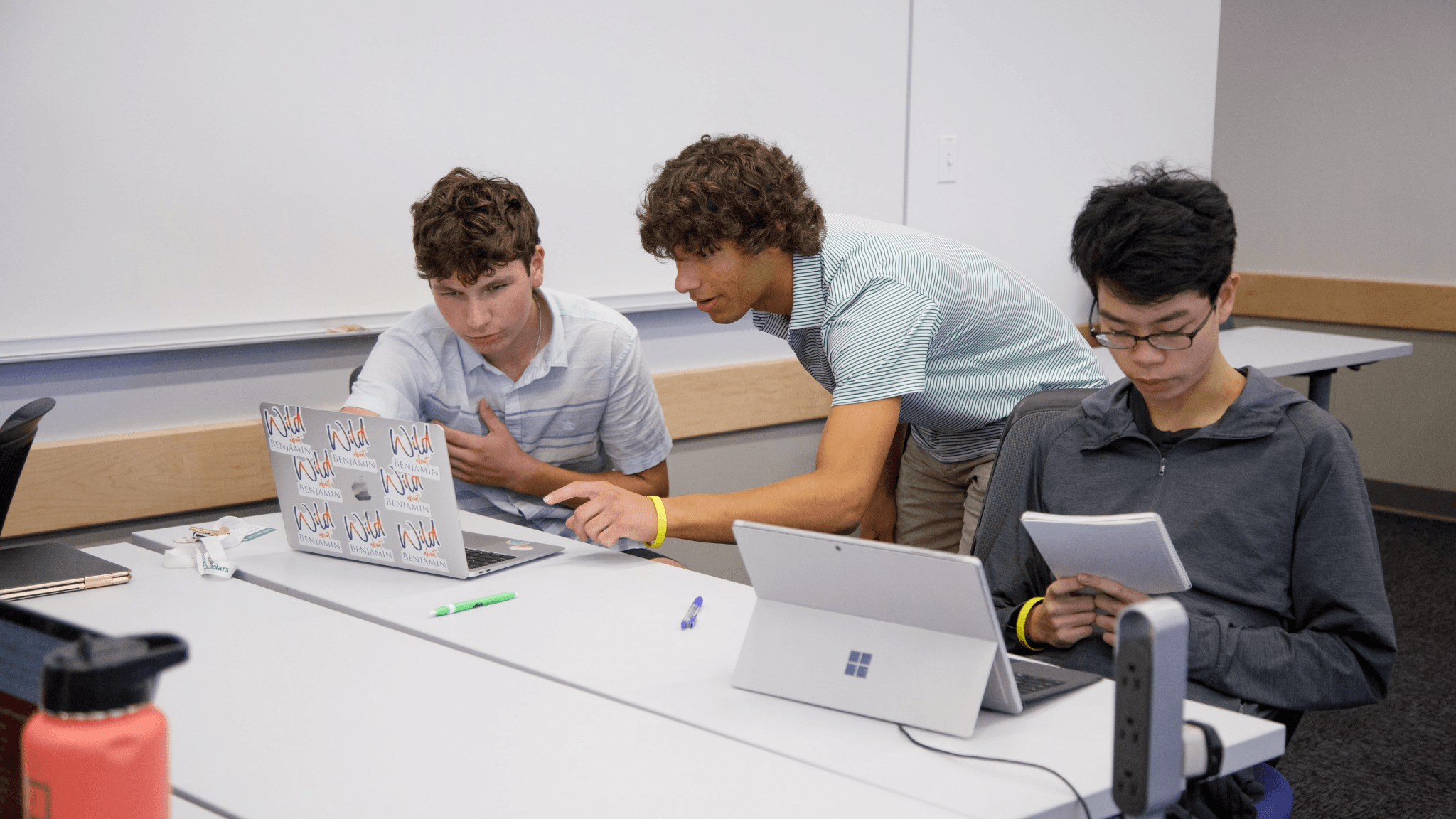
Literature analysis, research-design exercises, and proposal workshops help you compare qualitative, quantitative, and mixed methods. Evaluate source quality, define variables, consider ethics, and narrow the scope of an engineering problem. Feedback from classmates and the instructor helps you strengthen the reasoning behind each choice. On campus, develop your research proposal, abstract, and professional scientific poster, then present the plan in a symposium-style setting.
The work continues through Polygence’s Core Research Program after the campus experience. Join a virtual cohort and work one-to-one with a mentor matched to your field of interest. Across 10 virtual sessions, continue at an individual pace toward an appropriate final format, which might be a research paper, business plan, science fair project, symposium presentation, or podcast. Your proposal becomes a starting point for a longer investigation.
This two-week full-day academy for high school students takes place at UCLA in Los Angeles, California. The program is developed by UCLA and offered in partnership with Summer Discovery. Residential and commuter options are available.
Total cost includes the Summer Discovery on-campus program fees and Polygence tuition.
What Will You Do?
• Narrow an engineering interest into a focused research question
• Evaluate scientific literature and identify gaps in the evidence
• Compare research methods, variables and ethical considerations
• Develop and revise a proposal, abstract and scientific poster
• Present your research plan in a symposium-style session
• Continue the project through 10 one-to-one virtual Polygence mentor sessions
Learning Outcomes
By the end of the course, students will be able to:
• Formulate an engineering research question grounded in existing evidence
• Justify methods and ethical choices appropriate to a proposed investigation
• Communicate a research plan through a proposal, abstract, poster and presentation
You’ll leave the campus program with your engineering research proposal, abstract and scientific poster, then develop the project further through personalized Polygence mentorship and a tangible final output.
Why Engineering Research Skills Matter
An engineering idea becomes researchable when the question and the evidence needed to investigate it are clear. Comparing methods helps students see why one approach may answer a question that another cannot. Examining source quality adds a reason to distinguish a promising idea from an established finding.
A proposal makes those decisions visible to someone else. Students have to explain the connection among a question, a method and an expected form of evidence. Feedback and continued mentorship give them opportunities to revise the plan and develop the reasoning used in further scientific and engineering study.
Who Should Attend?
For students who have completed 9th, 10th, 11th or 12th grade.
If you want to investigate how an engineering idea could work, this academy gives you a structured way to pursue it. Expect scientific reading, research planning, discussion and feedback on a proposal. You will present your reasoning and consider questions from others. The experience continues after the campus program through ten one-to-one virtual mentor sessions with Polygence, so students should plan for an ongoing research commitment. The mentorship helps each student develop a tangible output suited to the project.
Recommended by More Than 4 out of 5 Students
Based on students surveyed in Summer Discovery’s 2026 UCLA high school program.
Your Summer at UCLA
UCLA gives high-school students the opportunity to explore an academic interest while experiencing university life in Los Angeles, a city where entertainment, technology, business, science, and culture constantly intersect. The campus has its own community and rhythm while connecting students to a wider environment built around creativity and new ideas.
Students learn alongside peers, navigate a large campus, and gain independence through everyday choices and responsibilities. Time outside class expands the experience through friendships, campus life, and opportunities to notice which subjects and settings hold their attention. For families, UCLA offers a valuable combination of substantive academics, personal growth, and clearer direction about what a student may want to study, experience more deeply, or pursue next.
Engineering Research in Action
Engineering researchers have to decide which question a study can answer and which method will provide useful evidence. A materials problem, a transportation question, and a design investigation may call for different variables, measurements, or sources. The quality of the plan affects how clearly the results can be interpreted.
The academy introduces those choices through a proposal and presentation, followed by Polygence mentorship. Students can continue exploring an engineering interest while developing a final format suited to the project. That work provides a way to examine possible directions in engineering or further study without treating an initial idea as a finished conclusion.
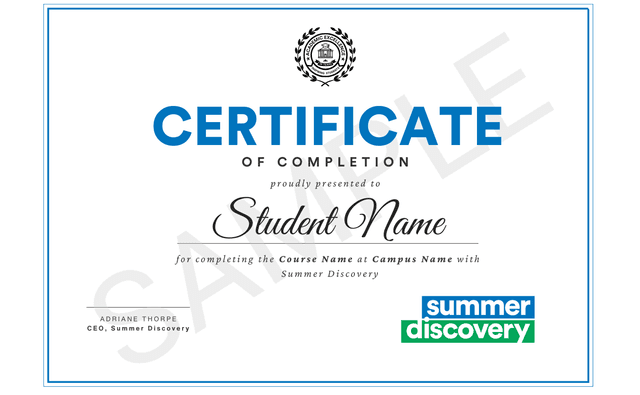
Summer Discovery Certificate of Completion
After successfully finishing this course, you will be awarded a certification completion for your accomplishment.
*This is a preview, not what you will receive