
More reasons to enroll early: Save $250 on tuition + 50% off your deposit. Enroll by Oct 31.
Build, program, and pitch a robotic solution in this 2-week program for high school students at UC Berkeley.
Seats are limited, and this course may sell out for summer 2027. Enroll early to save your seat.

Course Description
A robot needs more than a clever program. Its parts, sensors, and code have to work together, and the result has to be useful to someone.
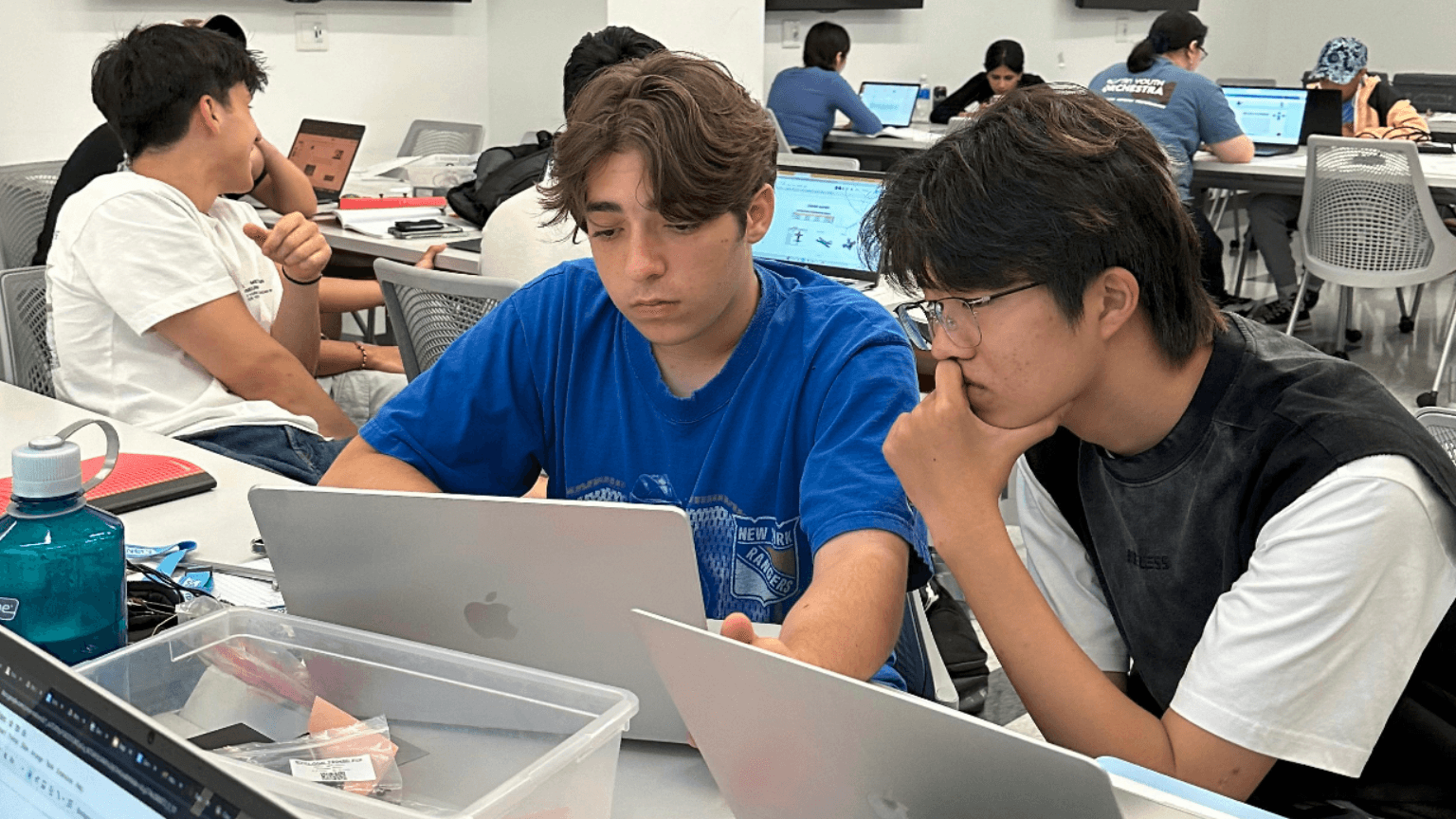
In this course you will build and program robotic systems. Connect circuitry and sensors with physical movement, test mechanical designs, and explore soft-robotics fabrication. When a system behaves unexpectedly, investigate how hardware, software, and physical limits interact.
Trace robotics from early mechanisms to industrial systems, autonomous machines, and AI-driven automation. Examples from healthcare, manufacturing, architecture, space exploration, and disaster response reveal how the task shapes the design.
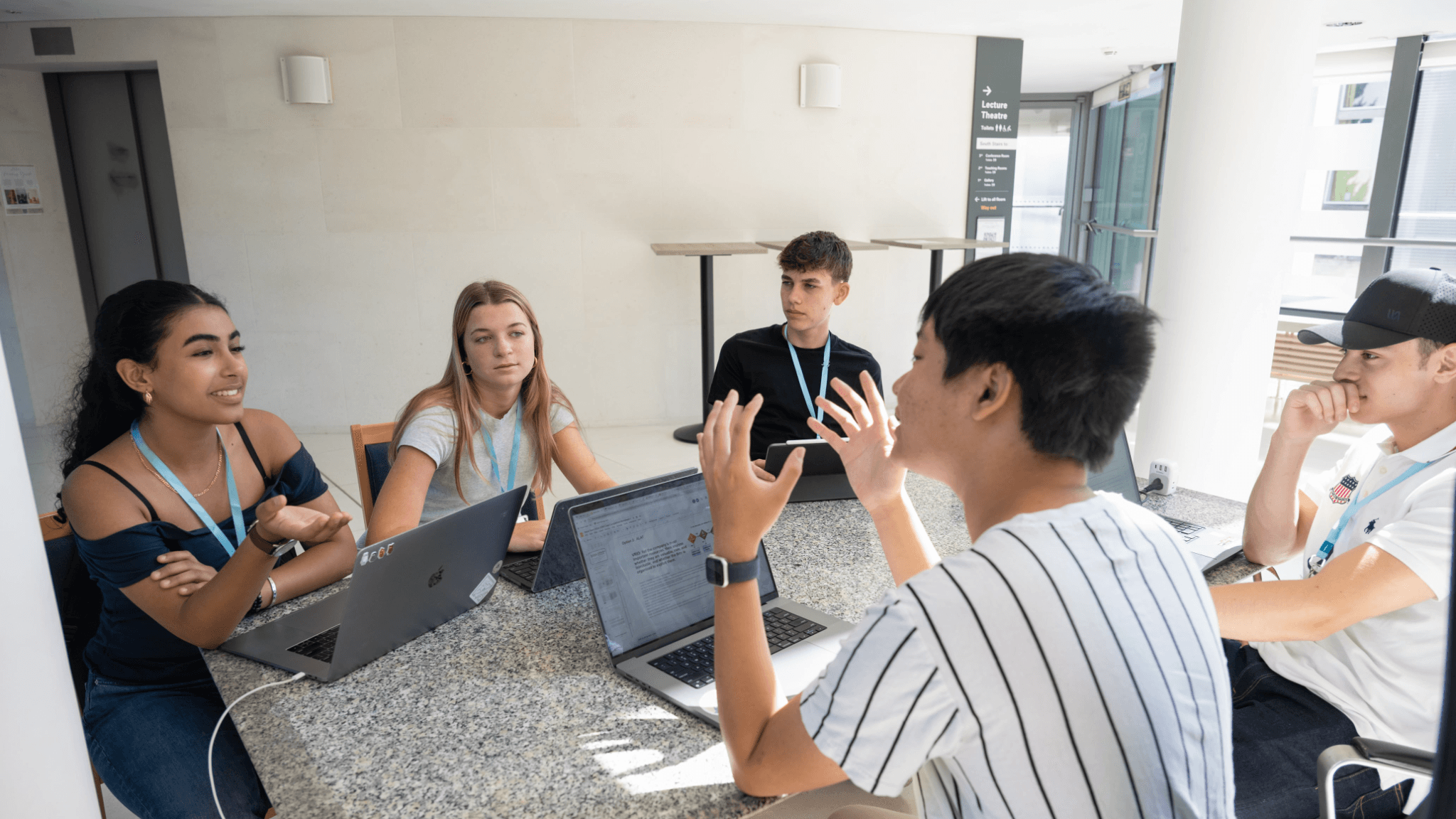
With a team, identify a real-world problem and research the people affected by it. Write a focused problem statement, develop a robotic solution, and present how it could work within its constraints. Industry speakers and visits may add Bay Area perspectives when available. The combination of hands-on testing and explaining a design gives you practical ways to explore engineering.
This two-week Summer Discovery full-day academy for high school students takes place on UC Berkeley’s campus in Berkeley, California. Students focus on one academy for the full program. Residential and commuter options are available.
A supplemental course fee of $195 applies.
What You Will Do
• Trace major milestones and emerging trends in robotics
• Build and program a robotic system
• Connect circuitry and sensors to physical behavior
• Experiment with mechanical design and soft robotics
• Research stakeholders and define a real-world problem
• Design and present an innovative robotic solution
Learning Outcomes
By the end of the course, students will be able to:
• Explain how mechanical parts, circuits, sensors, and code work together
• Use testing to improve how a robot carries out a task
• Evaluate a robotic design against the needs of the people using it
You’ll leave with built robotic systems, code, your team’s capstone proposal, and a certificate of completion.
Why Robotics Skills Matter
A robot can have sound code and still fail because a sensor or mechanical part behaves differently than expected. Looking at the system as a whole helps you investigate how its pieces affect one another.
Designing for someone else also makes usefulness a real question. Researching their needs and explaining your decisions connect technical work with judgment, an approach you can carry into further engineering projects.
Who Should Attend?
For students who have completed 9th, 10th, 11th, or 12th grade.
If you enjoy making things work or figuring out why they don’t, robotics brings design and coding into the same problem. You’ll build, test, and troubleshoot with classmates, then explain a team solution to a real need. No prior robotics experience is required. A design may need several attempts, so the process matters as much as the first result.
Recommended Program
Based on students surveyed in Summer Discovery’s 2026 UC Berkeley program.
Your Summer at UC Berkeley
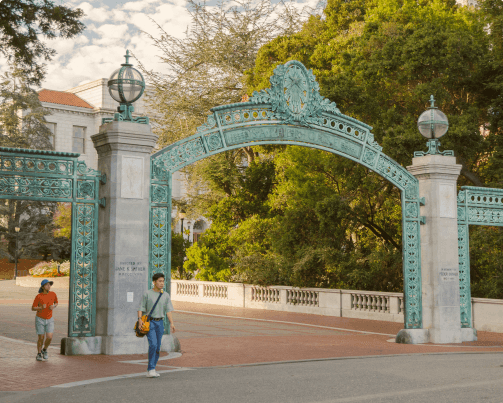
UC Berkeley gives high-school students the opportunity to pursue serious academic exploration in a campus environment shaped by scientific inquiry, new ideas, and an active connection to the wider Bay Area. The Berkeley Hills, distinctive architecture, and green spaces make the experience feel different from an ordinary school routine.
Students learn alongside peers, become more independent, and experience the pace and possibility of university life. The Bay Area context adds exposure to a region influenced by research, technology, entrepreneurship, culture, and public debate. For families, the value is not campus prestige alone. It is the combination of academic depth, community, and a student gaining clearer insight into the subjects, environments, and possible directions that genuinely motivate them.
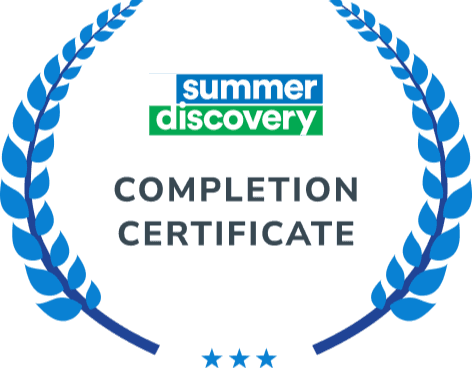
After successfully finishing this course, you will be awarded a certification completion for your accomplishment.
*This is a preview, not what you will receive