
More reasons to enroll early: Save $250 on tuition + 50% off your deposit. Enroll by Oct 31.
Analyze global conflict and defend a foreign-policy position in this 2-week program for high school students on Georgetown University’s campus.
Course Description
A decision that protects one country’s interests can unsettle another’s. Look behind the headlines at the pressures that lead states to cooperate, compete, or go to war.
In this course you will compare explanations for the choices nations make. Explore power, authority, and anarchy: an international system without one government above all states. Levels of analysis help you look separately at leaders, domestic politics, and the wider system. Balance of power and nuclear deterrence show how those choices depend on what other states might do.
Readings and discussion connect the concepts with the World Wars, Cold War, Russian invasion of Ukraine, conflict involving the United States, Israel, and Iran, international organizations, and global environmental issues. Compare accounts and test which evidence supports them.
For a foreign-policy discussion project, work in a group or individually to represent a political actor. Use data to build a position and present it persuasively, recognizing the interests and constraints behind it. A final assessment and reflection connect the argument with the concepts you’ve studied, giving you practice in the reasoning used in politics and global-affairs study.
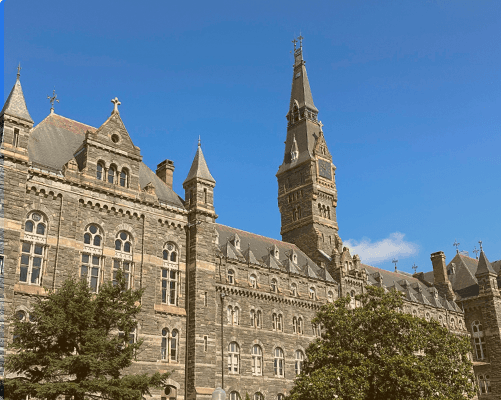
This two-week course for high school students takes place at Georgetown University in Washington, D.C. The program is developed by Georgetown University and offered in partnership with Summer Discovery. Residential and commuter options are available.
What You Will Do
• Apply levels of analysis to an international event
• Compare theories of conflict, power, and cooperation
• Examine balance of power and nuclear deterrence
• Analyze the role of international organizations
• Investigate a global environmental or security issue
• Build and present a data-supported foreign-policy position
Learning Outcomes
By the end of the course, students will be able to:
• Use international-relations concepts to explain state behavior
• Compare competing interpretations of a global conflict or policy problem
• Construct and defend a coherent foreign-policy argument using evidence
You’ll leave with your completed foreign-policy discussion project and a certificate of completion.
Why International Relations Skills Matter
International relations helps students analyze events that rarely have a single cause. Levels of analysis separate individual leaders, domestic politics, and the international system, while theories highlight different explanations for power, institutions, and cooperation. Students learn to compare frameworks against evidence.
Representing a political actor also develops perspective-taking without requiring agreement. Students must identify interests, constraints, and likely responses, then communicate a position responsibly. These habits support research, civic understanding, and future study in politics, history, economics, law, or global affairs.
Who Should Attend?
For students who have completed 9th, 10th, 11th, or 12th grade.
If you follow world events and find yourself asking why countries make the choices they do, this course gives you ways to examine the answers. Interests in history, diplomacy, security, or the environment all have a place in the discussion.
Readings, data, and debate are central. You’ll discuss contested events and may represent a perspective you don’t personally hold, comparing explanations and engaging with classmates’ arguments.
Recommended by More Than 4 out of 5 Students
Based on students surveyed in 2026 about Summer Discovery High School programs at Georgetown University campus.
Your Summer at Georgetown University
Studying international relations on Georgetown University’s campus places students in Washington, D.C., where embassies, diplomatic missions, policy organizations, and the institutions of U.S. foreign affairs shape conversations across the city. This environment gives geopolitics and diplomacy a concrete backdrop, helping students connect theories of power, negotiation, security, and global cooperation to a place where those questions are debated every day.
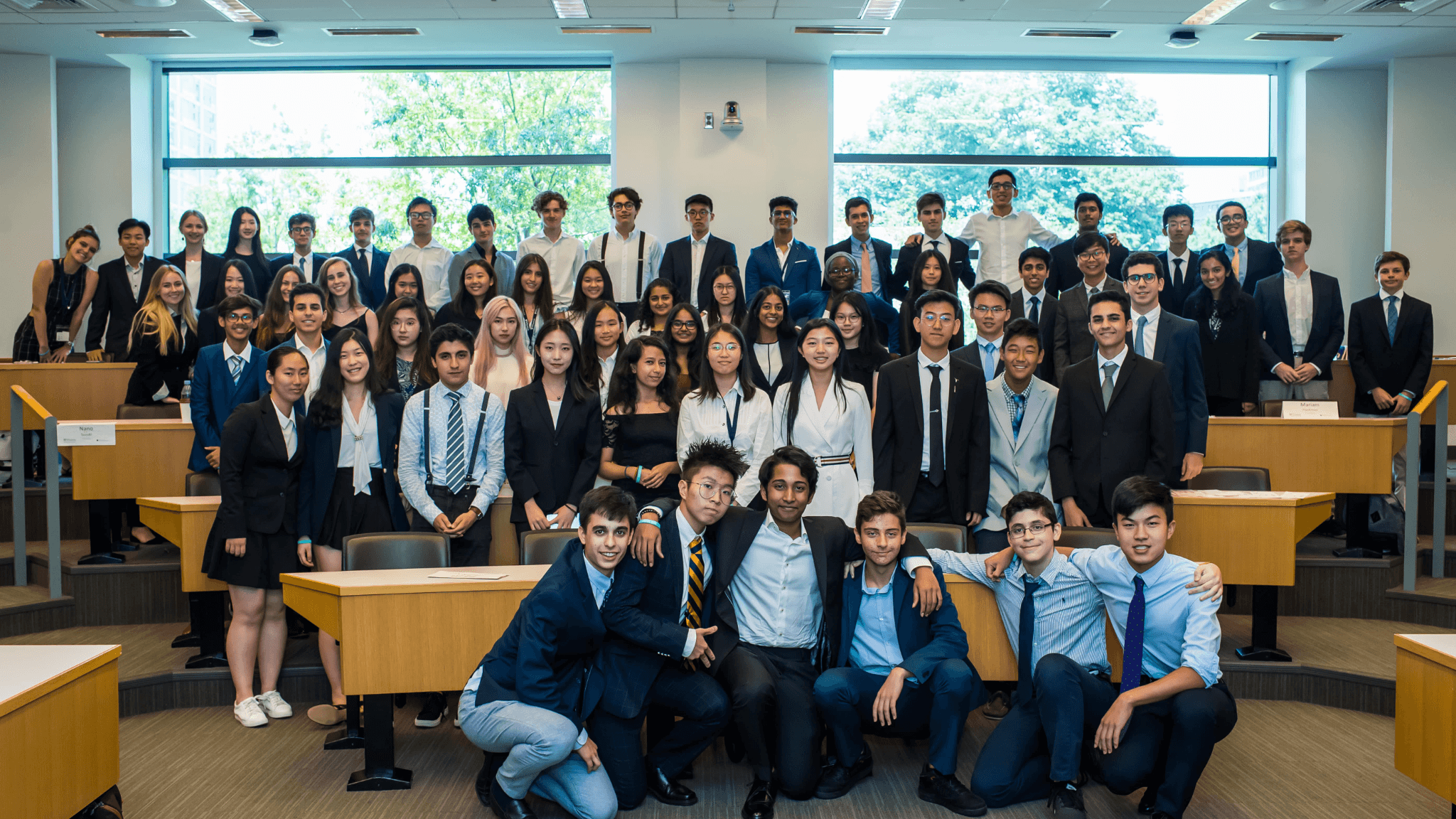
Students learn alongside peers with similar interests, navigate a new environment, and gain independence through everyday choices and responsibilities. Time outside class helps them experience the broader rhythm of university life while considering which regions, issues, and possible directions hold their attention. For families, the program offers substantive academic exploration, personal growth, and clearer insight into whether international affairs, policy, government, economics, or diplomacy may deserve deeper study.
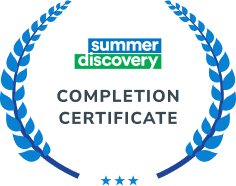
Summer Discovery Certificate of Completion
After successfully finishing this course, you will be awarded a certification completion for your accomplishment.
*This is a preview, not what you will receive