
More reasons to enroll early: Save $250 on tuition + 50% off your deposit. Enroll by Oct 31.
Debate constitutional power and propose civic action in this 2-week government program for high school students on Georgetown University’s campus.
Course Description
Pick something you would like to change, then trace who has the power to act. The Constitution shapes the route from a public concern to a government decision.
In this course you will examine the federal government’s constitutional structure and connect it to current domestic and foreign issues. Discussion brings competing interpretations into view, with attention to the evidence and room for respectful disagreement.
The course moves through the legislative, executive, and judicial branches, including congressional lawmaking, presidential power, federal agencies, checks and balances, and the Supreme Court. Students analyze major cases and explore the Bill of Rights through an assigned-amendment presentation. They also consider barriers to civic participation and the responsibilities of active citizens in a democratic society.
A civic-engagement presentation asks each student to identify something they would like to change or improve. Classmates then evaluate whether the legislative, executive, or judicial branch has the constitutional or practical authority to address it. Visits to the United States Capitol and a local courthouse let students question Senate staff and a judge, connecting classroom analysis to institutions in action.
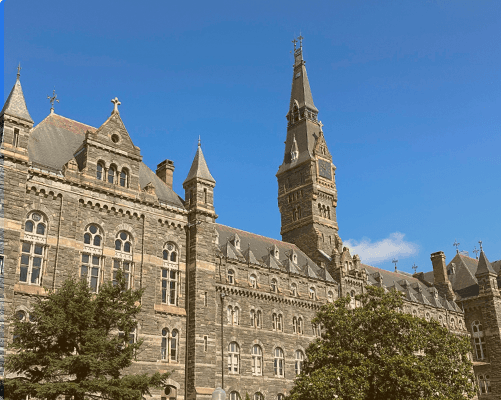
This two-week course takes place at Georgetown University. The course is available to residential and commuter students. The program is developed by Georgetown University and offered in partnership with Summer Discovery.
What You Will Do
• Compare the powers and limits of federal branches
• Analyze checks and balances through Supreme Court cases
• Present an assigned amendment from the Bill of Rights
• Debate current issues using evidence and constitutional ideas
• Propose a change through a civic-engagement presentation
• Visit the United States Capitol and a local courthouse
Learning Outcomes
By the end of the course, students will be able to:
• Explain how constitutional powers and checks shape the three federal branches
• Analyze civil liberties and current issues using course evidence
• Present a realistic civic action and identify which institutions can address it
You’ll leave with your civic presentations and a certificate of completion.
Why American Government Skills Matter
Studying American government helps students move from reacting to a headline toward analyzing who has power, what limits apply, and which institution can respond. Comparing branches, constitutional provisions, and court decisions strengthens reasoning because students must connect a claim to legal structure and evidence.
Civil discourse adds another essential skill. Students practice listening to competing interpretations, asking precise questions, and explaining disagreement without dismissing the person speaking. Civic presentations also require them to turn a concern into a realistic pathway for action. These habits support history, social science, debate, writing, and everyday citizenship, where informed participation depends on understanding both principles and practical authority.
Who Should Attend?
For students who have completed 9th, 10th, 11th, or 12th grade.
If a news story makes you wonder what Congress, the president, or a court can actually do, this course gives you ways to investigate. Interests in rights, policy, law, and civic action can all lead into the discussion. You’ll prepare short presentations, connect public events with constitutional ideas, and ask questions during off-site visits.
Some topics may be controversial. No particular political viewpoint is expected, and you do not need to disclose personal positions or experiences. The discussion asks everyone to examine competing interpretations respectfully.
Recommended by More Than 4 out of 5 Students
Based on students surveyed in 2026 about Summer Discovery High School programs at Georgetown University campus.
Your Summer at Georgetown University
Studying American government on Georgetown University’s campus places students in Washington, D.C., close to the institutions, advocacy groups, media organizations, and public debates that continually test constitutional ideas. The setting makes questions about power, rights, conflict, representation, and democratic decision-making feel immediate without assuming that every class activity leaves campus.
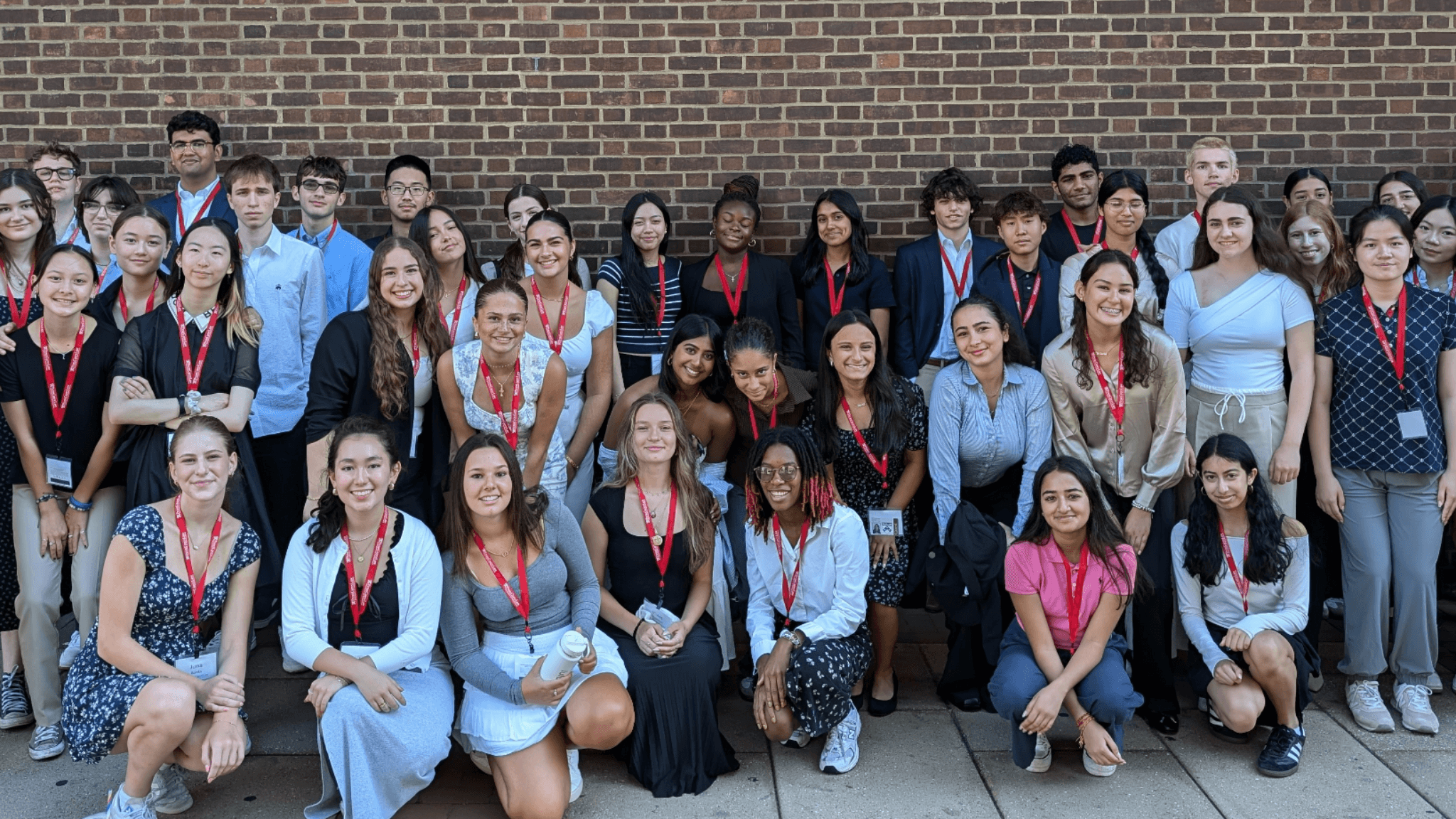
Students learn alongside peers with similar interests, navigate a new environment, and gain independence through everyday choices and responsibilities. Time outside class helps them experience the broader rhythm of university life while considering which public questions and possible directions matter to them. For families, the program offers a combination of substantive academic exploration, personal growth, and clearer insight into whether government, law, policy, history, or civic leadership may be worth pursuing further.
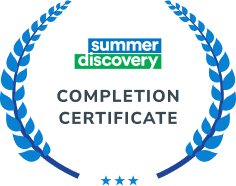
Summer Discovery Certificate of Completion
After successfully finishing this course, you will be awarded a certification completion for your accomplishment.
*This is a preview, not what you will receive