
More reasons to enroll early: Save $250 on tuition + 50% off your deposit. Enroll by Oct 31.
Build and present a foreign policy brief in this 2-week international relations program for middle school students on Georgetown University’s campus.
Course Description
The same world event can look different from another country’s position. Try understanding those differences before deciding how a government should respond.
In this course your student will explore why countries cooperate or clash. They’ll compare realism’s focus on power, liberalism’s emphasis on cooperation, and constructivism’s attention to shared ideas. Alliances, nuclear deterrence, diplomacy, and international law give those perspectives real questions to explain.
Readings, cases, multimedia, and discussion connect the Cold War, international organizations, and environmental challenges. Students also explore how race, gender, identity, and trust in a government’s authority shape world politics.
For a final team discussion, your student will represent a political actor and recommend a response to an international problem. They’ll gather evidence, organize their reasoning in a foreign policy brief, and make their case to classmates. Another team’s perspective may give them a reason to rethink their own.
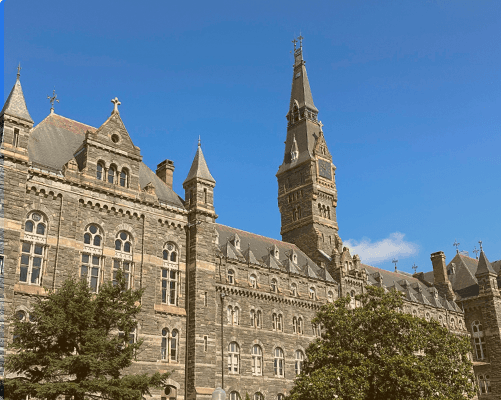
This two-week course for middle school students takes place at Georgetown University in Washington, D.C. The program is developed by Georgetown University and offered in partnership with Summer Discovery.
What You Will Do
• Compare three ways of explaining world events
• Investigate alliances, nuclear deterrence, and international organizations
• Explore global issues through readings, cases, and discussion
• Represent a political actor in a team discussion
• Gather evidence for a response to an international problem
• Present and defend your team’s foreign policy brief
Learning Outcomes
By the end of the course, students will be able to:
• Compare different explanations for why countries cooperate or conflict
• Explain how power, institutions, and identity affect government decisions
• Use evidence to support a response to an international problem
You’ll leave with your team’s foreign policy brief and a certificate of completion.
Why International Relations Skills Matter
International relations asks students to look beyond a headline and consider who is involved, what each group wants, and which evidence supports a claim. Comparing different theories teaches students that the same event can be interpreted in more than one reasonable way.
Those habits strengthen research, critical reading, collaboration, and persuasive communication. Students practice separating facts from assumptions, listening to competing viewpoints, and explaining why a proposed response may work. These skills are useful in school discussions and group projects, especially when a question involves multiple interests and no simple answer.
Who Should Attend?
For students who have completed 6th, 7th, or 8th grade.
For students who follow world events or wonder why countries make the choices they do, this course offers a chance to look behind the headline. Your student will read, discuss ideas, and work with a team to make a case for a response. They don’t need settled opinions about international affairs; curiosity about another perspective is a useful place to start.
Your Summer at Georgetown University
Studying international relations on Georgetown University’s campus gives middle-school students a memorable place to begin in Washington, D.C. Embassies, global institutions, and public conversations are part of the city around them, making questions about countries, cooperation, conflict, and diplomacy feel less abstract and more connected to the world they see.
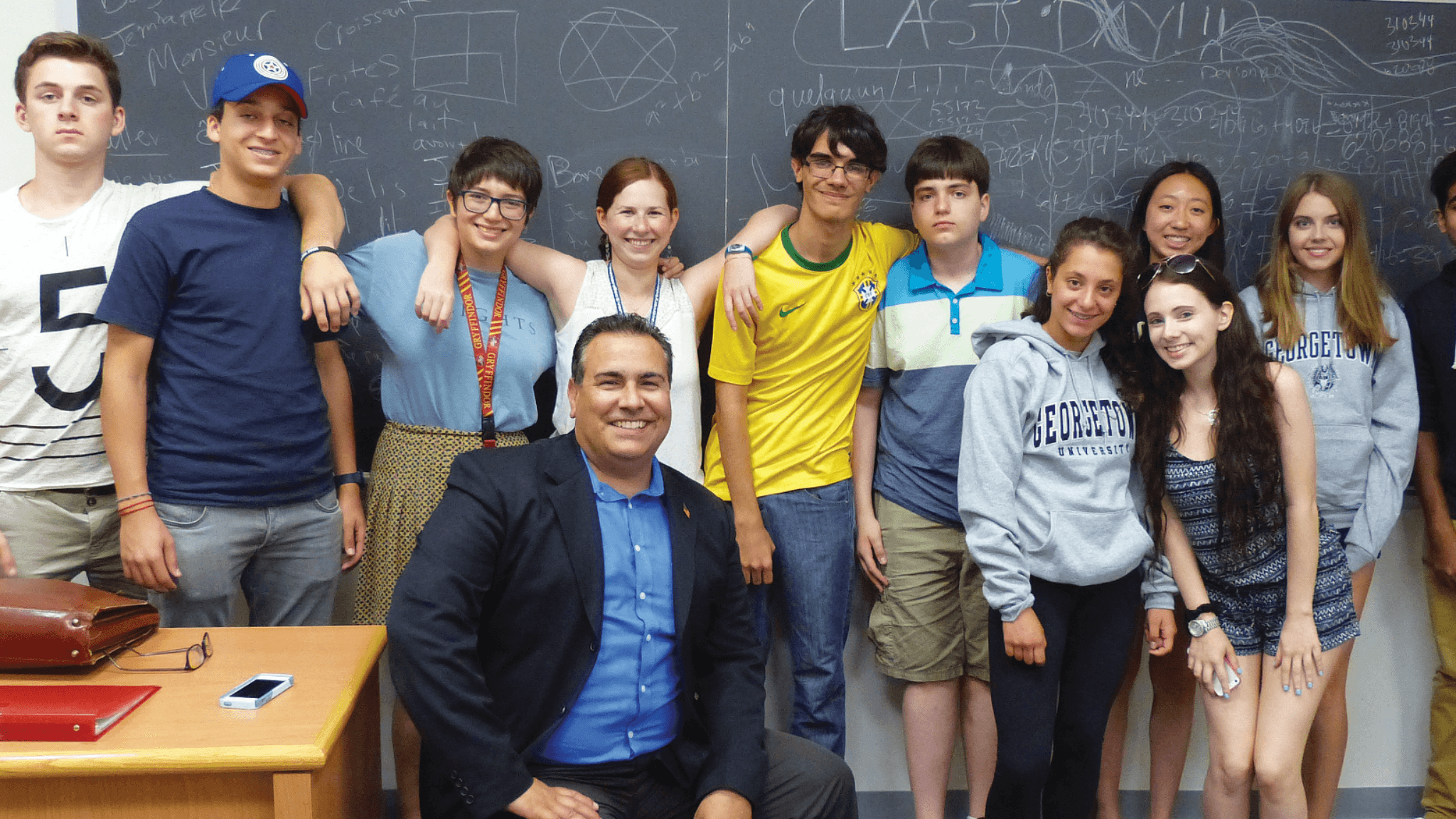
The program combines active academics with friendships, campus activities, clear routines, and support as students navigate a new environment. Students can try unfamiliar ideas, exchange perspectives with peers, and build confidence through a structured summer experience. For families, the program offers an engaging balance of learning and fun, with the community and guidance younger students need as they develop independence. The setting helps students leave with greater curiosity about global issues and a clearer sense of what they may want to explore next.
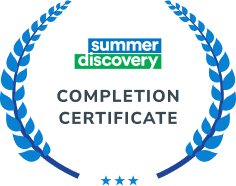
Summer Discovery Certificate of Completion
After successfully finishing this course, you will be awarded a certification completion for your accomplishment.
*This is a preview, not what you will receive