

More reasons to enroll early: Save $250 on tuition + 50% off your deposit. Enroll by Oct 31.
Collect clues and investigate a simulated case in this 2-week program for middle school students on Georgetown University’s campus.
Course Description
A fingerprint pattern or a detail in a photograph can change the story a set of clues seems to tell.
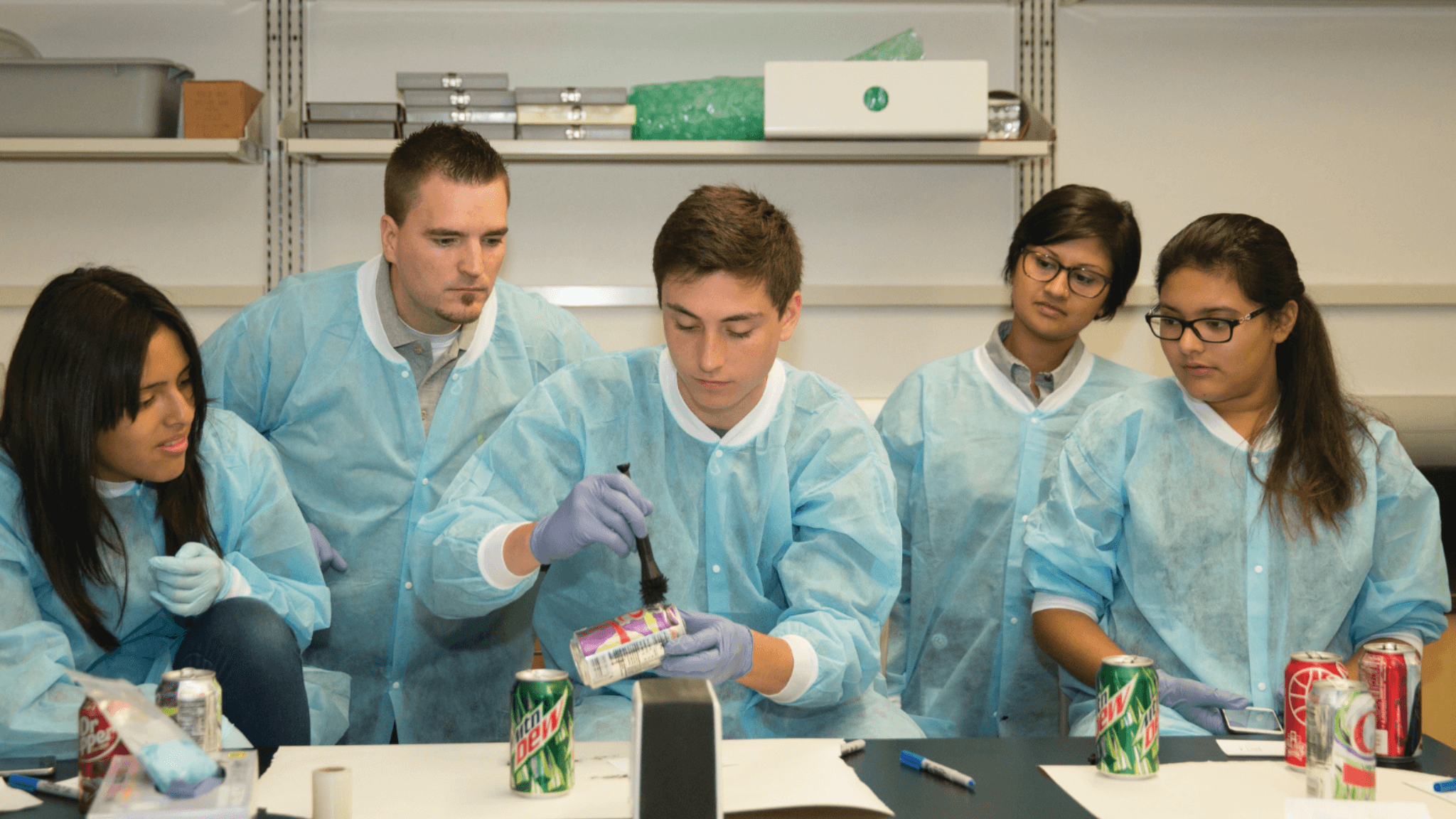
In this course your student will investigate how science helps people examine a crime scene. They’ll observe a simulated scene, collect trace evidence, and document what they find. Comparing fingerprints and handwriting samples turns small differences into questions worth investigating. Photographs add another source of clues.
Real-world case studies show how pieces of information can support or challenge a theory. Laboratory-style activities give students practice working carefully and recording patterns. As they tackle age-appropriate investigative problems, they’ll bring findings together and explain the reasoning behind a conclusion. Another interpretation or a new clue may send them back to the evidence. The challenge is to build an explanation someone else can follow, without claiming more than the clues show.
This two-week course for middle school students takes place at Georgetown University in Washington, D.C. The course is available to residential and commuter students. The program is developed by Georgetown University and offered in partnership with Summer Discovery.
A supplemental course fee of $95 applies.
What You Will Do
• Observe and document a simulated crime scene
• Collect trace evidence using careful procedures
• Compare fingerprints and record the patterns
• Examine handwriting samples for identifying features
• Look for investigative details in photographs
• Combine clues and defend a case conclusion
Learning Outcomes
By the end of the course, students will be able to:
• Distinguish an observation from an interpretation of what it means
• Compare forensic samples for relevant similarities and differences
• Support a case conclusion with several pieces of evidence
You’ll leave with your completed evidence analyses and a certificate of completion.
Why Forensic Science Skills Matter
A small clue can support more than one explanation. Comparing samples and recording how evidence was collected help students decide what a conclusion rests on and where uncertainty remains.
Explaining their reasoning to classmates adds another test: can someone else follow it? Listening to another interpretation and revising when facts do not fit are habits students can use in science, writing, mathematics, and other projects that ask them to make sense of evidence.
Who Should Attend?
For students who have completed 6th, 7th, or 8th grade.
This course gives mystery lovers and detail spotters a way to try forensic science. Your student will compare clues with classmates and discover why the same evidence can lead to different ideas. It’s a fit for those who enjoy hands-on investigation and explaining how they reached an answer. No previous forensic science experience is required.
Your Summer at Georgetown University
Studying on Georgetown University’s campus gives middle-school students a memorable place to learn, have fun, and experience campus life in Washington, D.C. The historic campus sits near embassies, institutions, and public conversations that make the wider world feel close, even when the course itself is not connected to government or policy.
The program combines active academics with friendships, campus activities, clear routines, and support as students navigate a new environment. Students can try unfamiliar subjects, share ideas with peers, and build confidence through a structured summer experience. For families, the program offers an engaging balance of learning and fun, with the community and guidance younger students need as they develop independence and discover what they may want to explore next.
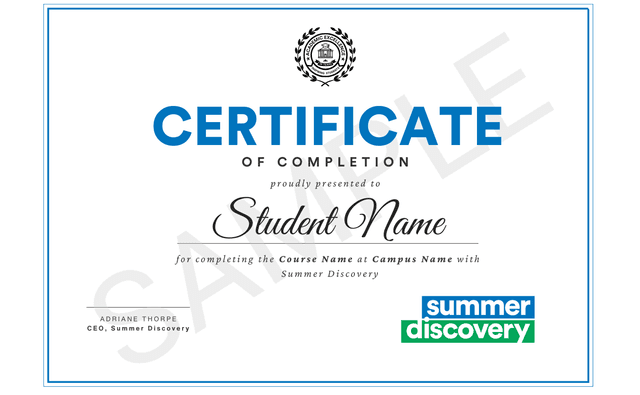
Summer Discovery Certificate of Completion
After successfully finishing this course, you will be awarded a certification completion for your accomplishment.
*This is a preview, not what you will receive