

More reasons to enroll early: Save $250 on tuition + 50% off your deposit. Enroll by Oct 31.
Reconstruct evidence through forensic investigation in this 2-week program for high school students on Georgetown University’s campus.
Course Description
A fingerprint, a photograph, a trace left behind: each can add something to an investigation. The challenge is deciding what the evidence supports and where the questions remain.
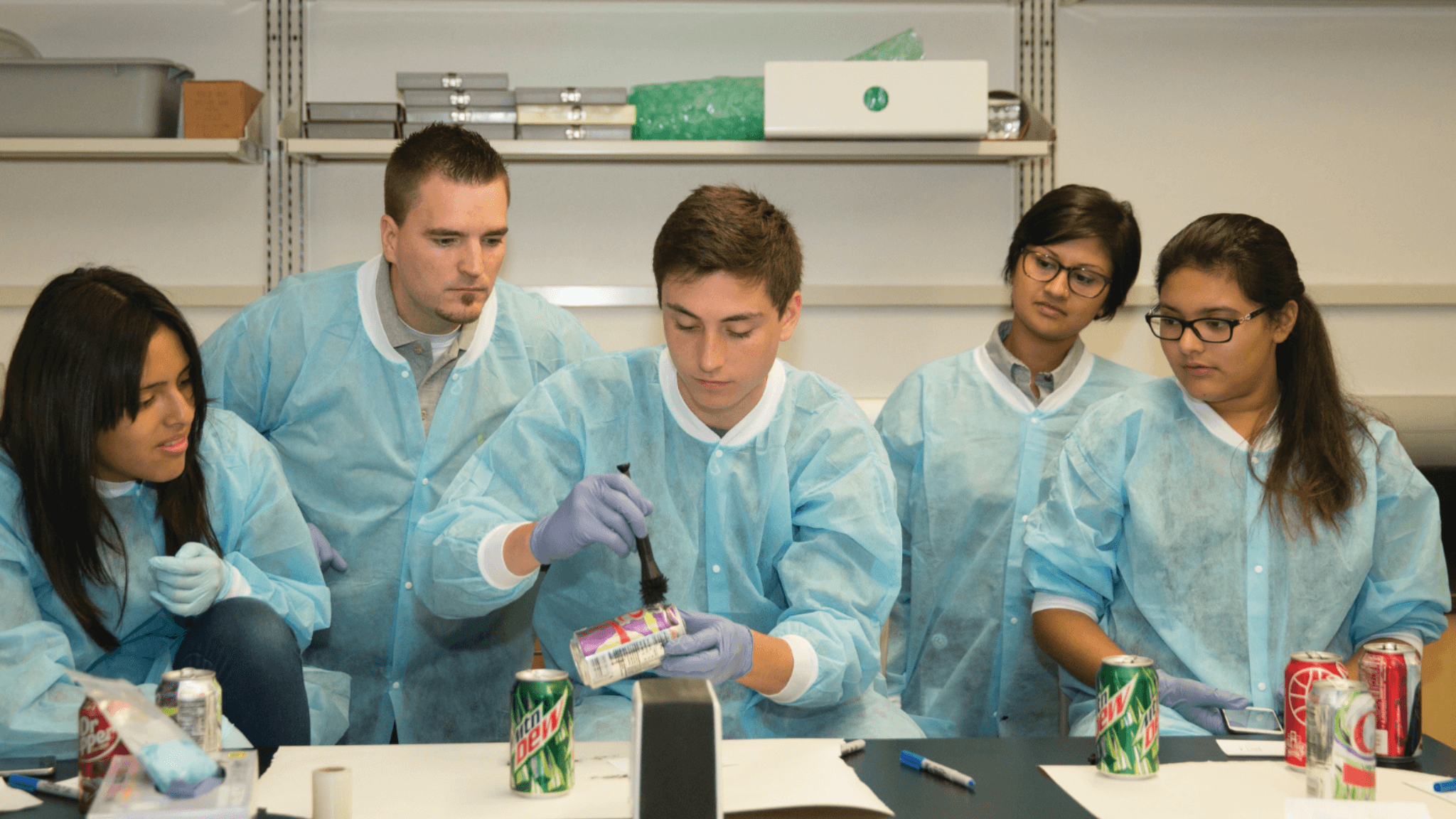
In this course you will connect forensic techniques with the decisions behind an investigation. Forensic history and Locard’s exchange principle, the idea that contact leaves traces, introduce the work. Scene safety, sketching, photography, and evidence preservation establish a record others can review. Compare fingerprints, impressions, and trace evidence, then examine ballistics and blood-spatter patterns.
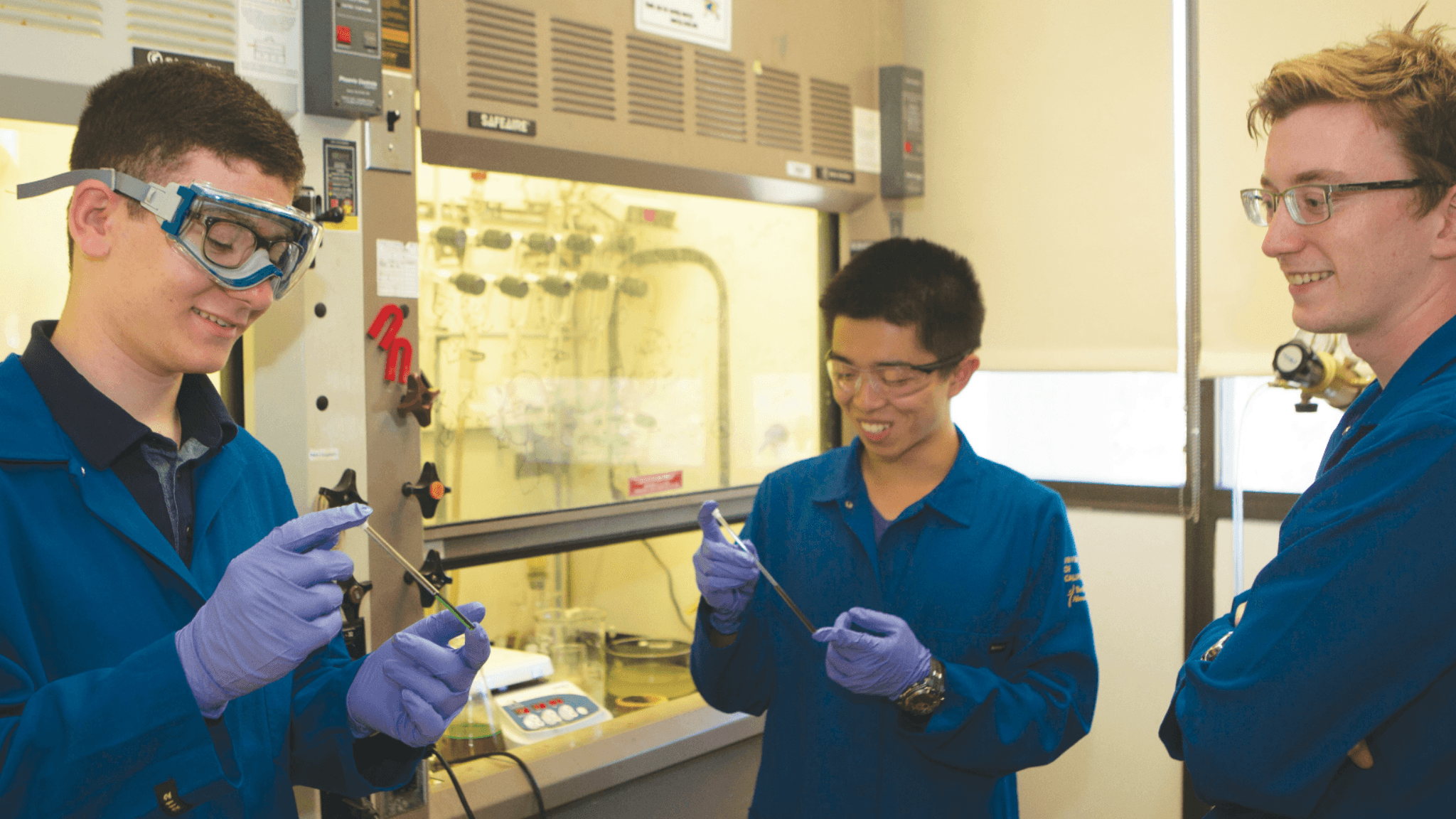
Other methods open different questions. Use chromatography and simulated blood typing, and examine how cooling informs time-of-death estimates. Toxicology, arson, and explosives add further investigative topics. Keeping track of evidence through chain of custody is essential throughout. You’ll bring findings into a case strategy, distinguishing observations from inferences and explaining where conclusions are limited. Discussion, practice, and feedback help you check the reasoning. That care with documentation is central to scientific work that informs legal decisions.
This two-week course for high school students takes place at Georgetown University in Washington, D.C. The program is developed by Georgetown University and offered in partnership with Summer Discovery. Residential and commuter options are available.
A supplemental course fee of $95 applies.
What You Will Do
• Document scenes with notes, diagrams, sketches, and photographs
• Collect and preserve evidence with a clear custody record
• Compare fingerprints, impressions, and trace evidence
• Examine ballistics and blood-spatter patterns
• Use chromatography and simulated blood typing in analysis
• Estimate time of death and develop a case strategy
Learning Outcomes
By the end of the course, students will be able to:
• Document and preserve a simulated crime scene using forensic procedures
• Analyze evidence types and explain what each finding supports
• Build a case interpretation that separates observations, inferences, and limitations
You’ll leave with your forensic documentation, laboratory analyses and a certificate of completion.
Why Forensic Investigation Skills Matter
A test result depends on the work that came before it. A scene record, the handling of a sample, and the chain of custody all affect whether another person can review the finding. Forensic investigation connects scientific methods with that responsibility.
It also gives you practice knowing where to stop. Explaining what evidence cannot establish is as important as describing what it supports. Clear documentation and measured conclusions make research useful to people who must judge the reasoning for themselves.
Who Should Attend?
For students who have completed 9th, 10th, 11th, or 12th grade.
If you’re drawn to the science behind an investigation, this course connects biology and chemistry with questions about evidence and law. It suits students who enjoy noticing details and seeing how several findings fit together. You’ll work with classmates, follow safety procedures, and keep precise records. Part of the challenge is explaining a conclusion while being clear about what remains uncertain.
Recommended by More Than 4 out of 5 Students
Based on students surveyed in 2026 about Summer Discovery High School programs at Georgetown University campus.
Your Summer at Georgetown University
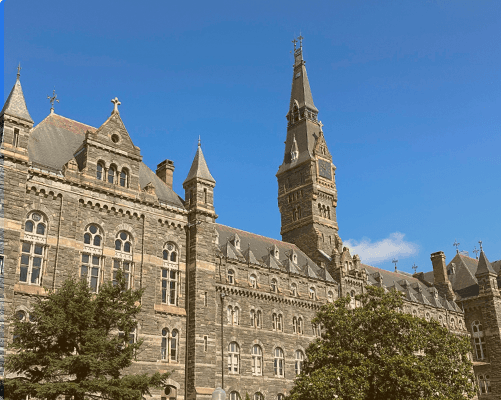
Studying on Georgetown University’s campus gives high-school students the opportunity to explore an academic interest while experiencing campus life in Washington, D.C. Its historic campus and surrounding neighborhood sit near embassies, institutions, and organizations that shape national and international conversations, giving the summer a distinctive sense of place.
Students learn alongside peers with similar interests, navigate a new environment, and gain independence through everyday choices and responsibilities. Time outside class helps students experience the broader rhythm of university life while considering what subjects, communities, and possible directions feel right for them. For families, the program offers a combination of substantive academic exploration, personal growth, and clearer insight into what a student may want to study or pursue next.
Summer Discovery Certificate of Completion
After successfully finishing this course, you will be awarded a certification completion for your accomplishment.
*This is a preview, not what you will receive