

More reasons to enroll early: Save $250 on tuition + 50% off your deposit. Enroll by Oct 31.
Analyze cases and practice legal advocacy in this 2-week program for high school students on Georgetown University’s campus.
Course Description
Two sides can read the same rule and reach different conclusions. Work through the facts of a dispute and make a case for how the law should apply.
In this course you will explore the rule of law, justice, the Constitution, and the roles of the legislative, executive, and judicial branches. Landmark cases and current issues bring statutes, regulations, precedent, and constitutional rights into focus. Briefing a case means identifying its central issue, relevant facts, reasoning, and decision.
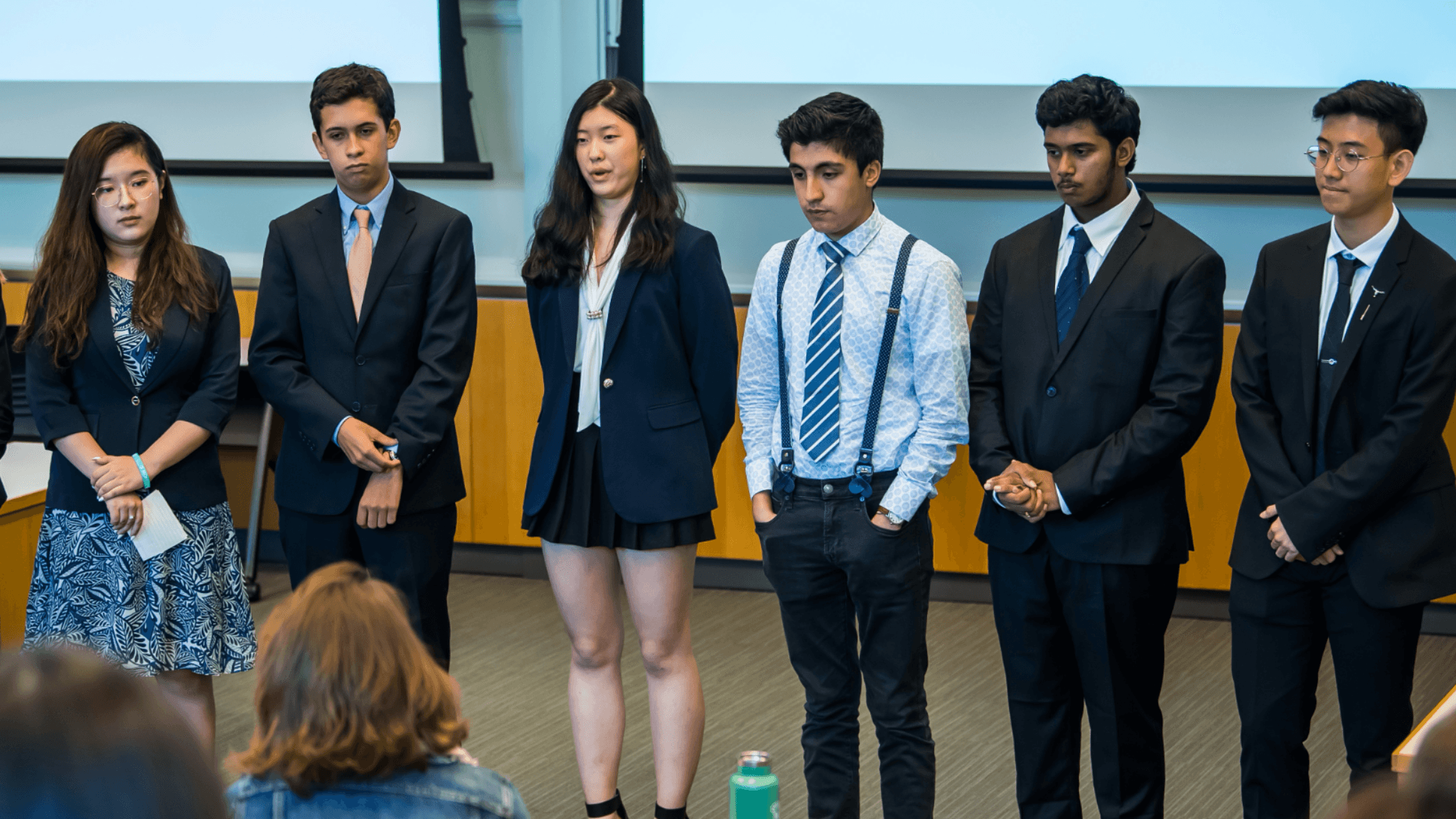
Small-group activities ask you to argue constitutional questions and compare civil and criminal matters. Follow a case from the initial pleading through discovery, pretrial preparation, trial, and post-trial stages. Research, negotiation, cross-examination, and simulated trial work put legal vocabulary to use while introducing different legal careers.
Discussion and feedback help you test a claim, answer a challenge, and recognize when the evidence changes your position. That combination of close reading and advocacy offers a practical introduction to legal reasoning.
This two-week course for high school students takes place at Georgetown University in Washington, D.C. The program is developed by Georgetown University and offered in partnership with Summer Discovery. Residential and commuter options are available.
What You Will Do
• Map the three branches of government and their legal roles
• Analyze constitutional rights through a structured amendment argument
• Brief a case by identifying issue, facts, reasoning, and decision
• Compare civil and criminal cases and sources of law
• Trace pleading, discovery, trial, and post-trial procedure
• Practice negotiation, questioning, and simulated legal advocacy
Learning Outcomes
By the end of the course, students will be able to:
• Explain core structures and sources within the American legal system
• Brief a legal case and analyze competing arguments
• Apply legal reasoning and advocacy skills in a simulated proceeding
You’ll leave with your case briefs and a certificate of completion.
Why Legal Reasoning Skills Matter
A case brief separates what happened from the legal question a court had to answer. Working through the rule, facts, and reasoning helps you see why two arguments can sound plausible but rest on different assumptions.
Advocacy asks you to make that reasoning clear to someone else, respond to questions, and acknowledge what the evidence cannot prove. Those habits are useful in research, writing, and civic discussion, especially when a new fact changes your view.
Who Should Attend?
For students who have completed 9th, 10th, 11th, or 12th grade.
If you like debating what is fair or figuring out how a rule applies to a complicated situation, this course lets you try the reasoning behind legal work. Law, government, and public policy come into view through cases and advocacy exercises.
You’ll read cases, work with classmates, and speak during simulations. Comparing more than one side of a dispute is part of finding an argument you can support.
Recommended by More Than 4 out of 5 Students
Based on students surveyed in 2026 about Summer Discovery High School programs at Georgetown University campus.
Your Summer at Georgetown University
Studying on Georgetown University’s campus gives high-school students the opportunity to explore an academic interest while experiencing campus life in Washington, D.C. Its historic campus and surrounding neighborhood sit near embassies, institutions, and organizations that shape national and international conversations, giving the summer a distinctive sense of place.
Students learn alongside peers with similar interests, navigate a new environment, and gain independence through everyday choices and responsibilities. Time outside class helps students experience the broader rhythm of university life while considering what subjects, communities, and possible directions feel right for them. For families, the program offers a combination of substantive academic exploration, personal growth, and clearer insight into what a student may want to study or pursue next.
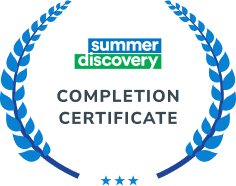
Summer Discovery Certificate of Completion
After successfully finishing this course, you will be awarded a certification completion for your accomplishment.
*This is a preview, not what you will receive