
More reasons to enroll early: Save $250 on tuition + 50% off your deposit. Enroll by Oct 31.
Interpret artifacts, map sites, and build an evidence-based archaeology capstone in this 3-week program for elementary school students at Fairfield University.

Course Description
A worn object can hold clues to a life lived long ago. Looking closely can change the story it seems to tell.
In this course your child will examine mystery objects and make replicas, noticing shape, material, and where an object was found. A missing detail becomes a clue to investigate. They’ll create clay vessels or figurines, tell hieroglyphic stories, map places with symbols, and test tool shapes through a bird-beak experiment. These investigations show how early people used natural materials.
For their own archaeological question or site idea, your child will bring the evidence into a poster, map, model, or exhibit. They’ll separate what they can see from what they think it means, then share their explanation and the clues still missing.
This three-week course for elementary school students is part of Summer Discovery’s Institute for the Gifted program on Fairfield University’s campus in Fairfield, Connecticut. The course is available to commuter students.
What You Will Do
• Examine mystery objects for clues about the past
• Reconstruct an object from a limited description
• Create symbols and tell a hieroglyphic story
• Map a site using scale, landmarks, and a legend
• Test tool shapes through a bird-beak experiment
• Share your archaeological evidence in a capstone display
Learning Outcomes
By the end of the course, students will be able to:
• Use an object’s features and surroundings to explain an idea about the past
• Use maps, models, and notes to show archaeological evidence
• Explain what evidence supports an interpretation and what is still unknown
You’ll leave with your replica artifacts, field-style records, capstone display and a certificate of completion.
Why Archaeology Skills Matter
An object does not tell its whole story at first glance. Looking at its shape, material, wear, and surroundings helps children connect an idea about the past with evidence they can describe.
Maps, models, and notes give them different ways to share those clues. When new information changes an explanation, they practice revising it. That habit supports history and science learning, where a good question can matter as much as a first answer.
Who Should Attend?
For students who have completed 4th or 5th grade.
If your child loves a mystery, an old object, or a map full of possibilities, archaeology offers clues to follow. Making replicas and comparing evidence bring history within reach. The appeal is in piecing together a possible story and seeing how a new clue might change it.
Institute for the Gifted eligibility requirements apply; see the program FAQ.
Your Summer at Fairfield University
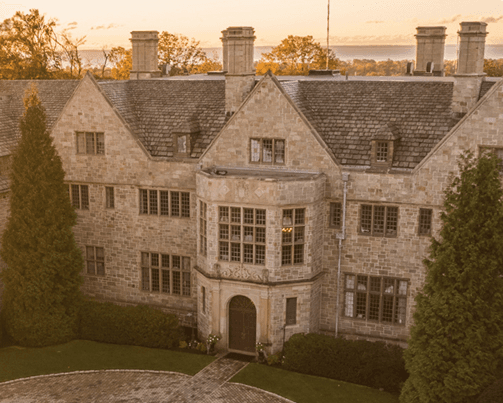
Fairfield gives elementary students a fun and welcoming first taste of campus life in a coastal Connecticut town along Long Island Sound. The day includes hands-on classes, outdoor courtyard time, shared meals, and opportunities to make friends in a setting that feels active without feeling overwhelming.
The commuter-only Institute for the Gifted has operated at Fairfield for more than two decades. Students try new challenges and build confidence within a clear, structured program day. For families, Fairfield offers an age-appropriate combination of learning, creativity, friendship, routine, and support. Students get the fun of a summer program and the satisfaction of discovering what they can make, solve, and explore next.
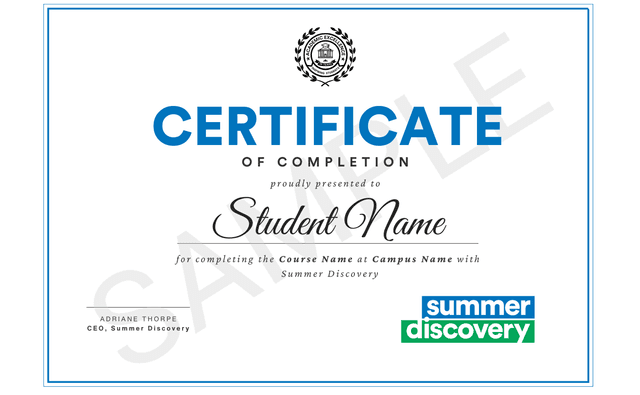
Summer Discovery Certificate of Completion
After successfully finishing this course, you will be awarded a certification completion for your accomplishment.
*This is a preview, not what you will receive