
More reasons to enroll early: Save $250 on tuition + 50% off your deposit. Enroll by Oct 31.
Question witnesses and try a case in this three-week mock trial course for elementary and middle school students on Cornell University’s campus.
Rated 4.5 out of 5 for course experience by students surveyed across the broader program in 2026.
Instructor:
Course Description
A witness gives an answer you didn’t expect. Listen closely, check it against the evidence, and decide what question will help your side explain the case.
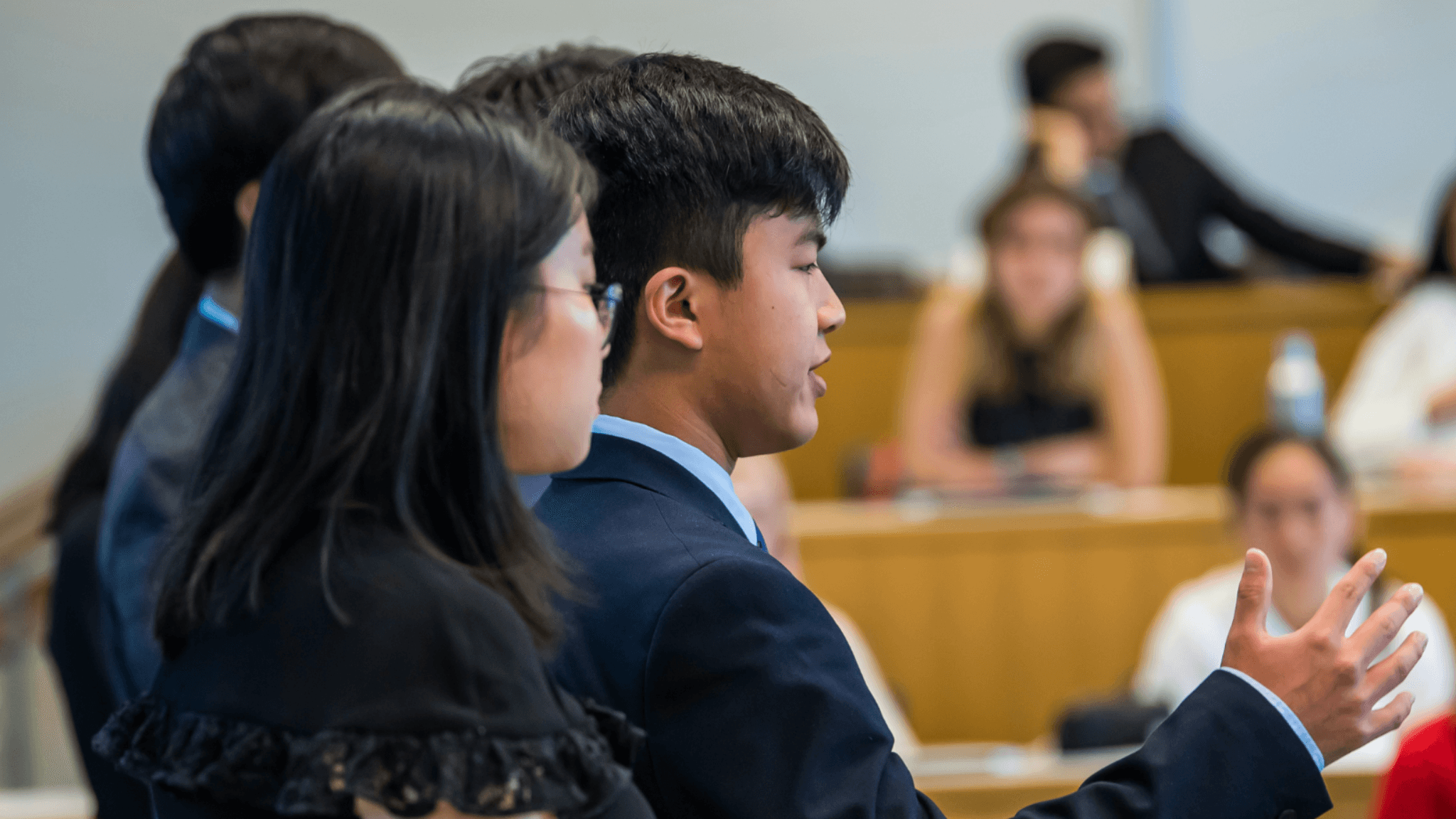
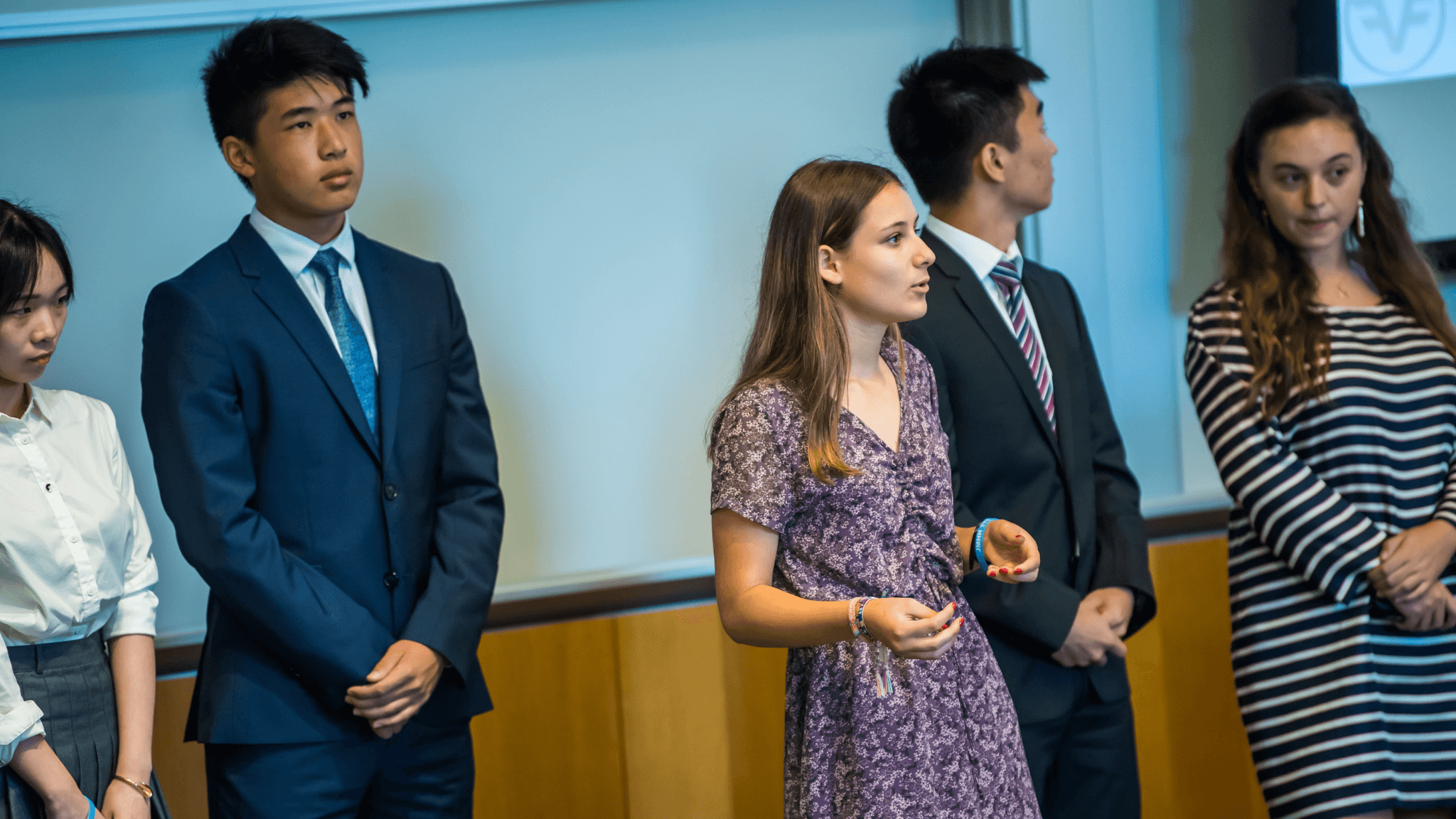
Mock trials let you explore a courtroom from several viewpoints. You’ll take on roles such as attorney, witness, defendant, judge, or juror while examining hypothetical cases and ethical questions. Prepare opening statements, develop witness testimony, practice examinations and cross-examinations, and respond to objections. Switching between prosecution and defense asks you to understand an opposing argument as carefully as your own.
The capstone draws on the fictional events in the book and film Holes. Investigate the treatment of young people at Camp Green Lake and consider whether its administrators violated child labor protections. Teams build their cases using the story’s facts, prepare questions and closing arguments, and take part in a final trial. Legal research, debates, and speaking exercises help you make the reasoning clear. You’ll learn how preparation and active listening work together when a case changes in front of you.
This three-week course for elementary and middle school students is part of Summer Discovery’s Institute for the Gifted program on Cornell University’s campus in Ithaca, New York. Beyond class, students connect active academic exploration with campus life, new friendships, growing independence, and curiosity they can keep exploring.

What Will You Do?
• Examine hypothetical legal cases and discuss the ethical questions they raise
• Take on courtroom roles, including attorney, witness, judge, and juror
• Prepare opening statements and witness testimony for a mock trial
• Practice examinations, cross-examinations, objections, and closing arguments
• Build prosecution and defense arguments using evidence from Holes
• Present a final mock trial and consider the jury’s and judge’s decisions

Learning Outcomes
By the end of the course, students will be able to:
• Explain how different courtroom roles contribute to a trial
• Construct an argument using relevant facts and legal reasoning
• Ask and respond to questions while presenting a case clearly
You’ll leave with your prepared case materials and mock trial experience, with new ways to explore debate, storytelling, and questions of fairness.

Why Legal Reasoning Skills Matter
Preparing a case requires students to choose evidence that supports a claim and notice facts that could challenge it. Arguing both sides makes the task more demanding: a persuasive explanation has to account for another person’s reasoning, not simply repeat a position more loudly.
Courtroom exercises also connect speaking with listening. A useful follow-up question depends on the answer a witness actually gave. Students practice organizing their thoughts, asking precise questions, and adjusting an argument when new information appears. These habits can help with classroom discussions, written assignments, collaborative decisions, and disagreements where fairness matters.

Who Should Attend?
For students who have completed 5th, 6th, 7th, or 8th grade.
This course is a good fit if you’re curious about law, enjoy discussing different viewpoints, or want to see how a story becomes a legal case. You don’t have to be the loudest person in the room. Careful reading, research, preparation, and active listening all matter. Students should be willing to try different roles, speak with classmates, and revise an argument. Bring a laptop or tablet compatible with the course software, its charger, and headphones.
Institute for the Gifted eligibility requirements apply; see the program FAQ. A completed program application is required.
Recommended by More Than 4 out of 5 Students
Based on students surveyed in Summer Discovery’s 2026 Cornell program.
Why Cornell University?
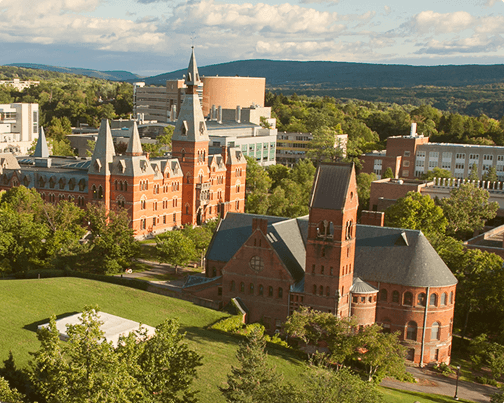
Cornell’s Ithaca setting gives elementary and middle school students an adventurous first experience of campus life, surrounded by Finger Lakes gorges, waterfalls, and a landscape shaped by research, agriculture, and invention. The setting makes learning feel different from an ordinary school day and gives students plenty to notice and explore.
The program combines active academics with friendships, campus activities, clear routines, and support as students become more comfortable in a new environment. Students can try challenging ideas, share interests with peers, and enjoy the fun of living and learning on a university campus. For families, Cornell offers a structured middle-school experience that balances learning and discovery with community, support, and growing independence.
Legal Reasoning in Action
A courtroom brings together people with different responsibilities. Attorneys organize a case, witnesses describe what they know, and judges and jurors weigh the arguments within the rules of a trial. Each role requires attention to the difference between a fact, an interpretation, and a persuasive claim.
Related skills appear outside courtrooms too. A debate team has to anticipate an opposing argument. A student council must listen to several perspectives before making a decision. Investigating a fictional case gives students a structured way to try those responsibilities and discover which parts of research, questioning, or public speaking interest them.
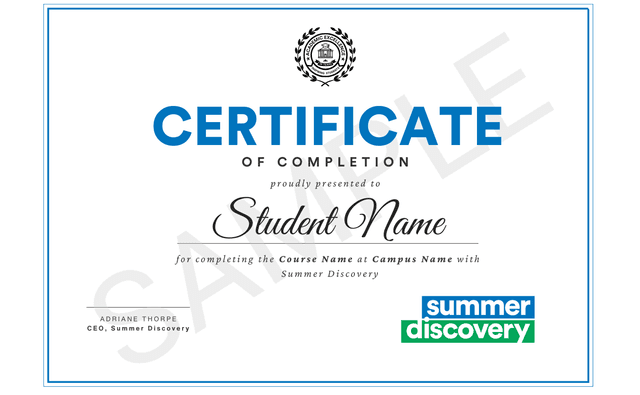
Summer Discovery Certificate of Completion
After successfully finishing this course, you will be awarded a certification of completion for your accomplishment.
*This is a preview, not what you will receive