
More reasons to enroll early: Save $250 on tuition + 50% off your deposit. Enroll by Oct 31.
Analyze criminal behavior through theory and ethical storytelling in this 2-week program for high school students on the University of Michigan campus.
Rated 4.6 out of 5 for classroom experience by students who took this course in 2026.
Course Description
A true-crime story can be compelling and still leave important questions unanswered. Investigate the behavior without losing sight of the evidence or the people harmed.
In this course you will examine criminal behavior through psychodynamic, biological, developmental, cognitive, social-learning, sociological, and cultural theories. Cases and media analysis make a central distinction: explaining behavior does not excuse it.
Sort fictional cases by theory and compare stronger and weaker explanations. Film, television, and case studies give you material to examine motive, behavior, evidence, and harm. Discussions of profiling and true-crime media ask where an assumption goes beyond the evidence and what responsible storytelling owes to victims and offenders.
For your final project, investigate a real or fictional criminal subject and create a short podcast. Bring multiple theories to the subject’s development, identity, or motivation, distinguishing evidence from speculation. Your challenge is to tell a compelling story while giving listeners a careful psychological analysis.
This two-week Summer Discovery course takes place on the University of Michigan campus in Ann Arbor, Michigan. The course is available to residential and commuter students.
What You Will Do
• Sort fictional cases across major theories of criminal behavior
• Compare biological, developmental, cognitive, and social explanations
• Analyze criminal subjects in film, television, and case studies
• Evaluate ethical limits in profiling and true-crime storytelling
• Research a real or fictional criminal subject
• Produce a podcast grounded in theory, evidence, and ethical analysis
Learning Outcomes
By the end of the course, students will be able to:
• Compare psychological and social theories of criminal behavior
• Evaluate criminal-behavior claims for evidence, limits, and ethical implications
• Explain a criminal case responsibly using multiple psychological perspectives
You’ll leave with your completed podcast and a certificate of completion.
Why Criminal Psychology Skills Matter
Criminal psychology teaches students to compare explanations instead of reducing behavior to a single cause. Biological, developmental, cognitive, social, and cultural perspectives may illuminate different parts of a case, but each has limits.
Ethical analysis is equally important. Students learn to question profiling, media dramatization, and claims unsupported by evidence. Building a responsible podcast strengthens research, argument, media literacy, and communication while keeping attention on harm and human consequences.
Who Should Attend?
For students who have completed 9th, 10th, 11th, or 12th grade.
An interest in psychology or a questioning ear for true-crime stories can lead into this course. You’ll compare theories, examine evidence, and create an audio project, connecting interests in law, criminal justice, media, and behavioral science.
The course includes sensitive topics and asks you to distinguish an explanation from an excuse. Respect for victims, evidence, and classmates’ perspectives matters throughout.
Recommended by More Than 9 out of 10 Students
Based on students surveyed in Summer Discovery’s 2026 program at the University of Michigan.
Your Summer at University of Michigan
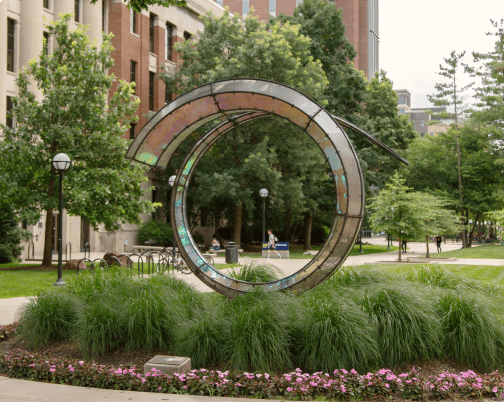
Programs on the University of Michigan campus give high-school students the experience of exploring an academic interest in Ann Arbor, a college town where campus and community life blend together. Tree-lined streets, downtown bookstores and cafés, the Nichols Arboretum, and trails near the Huron River create different ways to experience the setting beyond class.
Students learn alongside peers, navigate a large and active campus, and gain independence through everyday choices in a new environment. The experience helps students understand what university life can feel like while giving them space to deepen an interest without having every next step decided. For families, the program offers a meaningful combination of academic depth, community, personal growth, and clearer direction about what a student may want to study or pursue next.
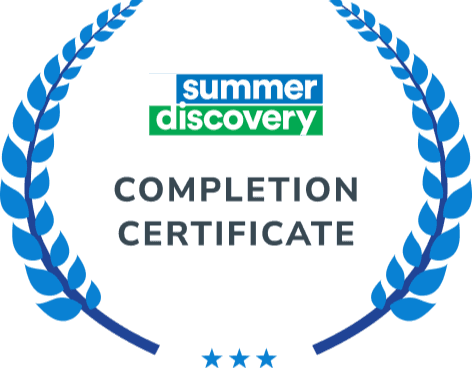
After successfully finishing this course, you will be awarded a certification completion for your accomplishment.
*This is a preview, not what you will receive