Spots are Still Available. Get a Confirmed Seat in Less than 48-hours. Apply Now.

[object Object]

New! Easily Search for the Perfect Course

Start Your Search

Explore courses by Field of Study

Our university-curated academics put students at the center of a hands-on learning experience. Students engage in immersive curricula designed and taught by accredited experts. Select a Field of Study below to get started.

Explore Our Course Formats

Full-Day Academy

Full-Day Academies are designed for highly motivated high school students who are looking for a deep dive into a chosen subject matter. Courses meet both in the morning and afternoon, and are centered around the chosen Academy academic subject

Individual Course

Individual Courses offer the ultimate flexibility, allowing students to select one course in the morning, and one course in the afternoon. The course subjects can be across similar or different fields of study. Mix and match courses to design the perfect curriculum.

Workshops

Workshops are offered as part of each day for Summer Discovery Middle School Students, providing them a structured outlet to exercise both mind and body. Students select from a range of sports, arts, mindfulness and other options to balance their day.

Instructor Spotlight

Credentials

Daniel Woolridge, MD, MPH, UCSF-UC Berkeley Joint Medical Program

Summer Discovery at UC Berkeley


Dr. Woolridge is a physician and medical educator with over 8+ years of progressive experience in teaching and engaging diverse learners. To extend expertise beyond the classroom, he has also served as scientific adviser and health knowledge translator for the San Francisco Unified School District during the COVID-19 Pandemic. Dr. Woolridge has also delivered impactful lectures to healthcare professionals and consistently demonstrated a commitment to advancing educational accessibility in the fields of Science, Technology, Engineering, Arts and Mathematics (STEAM).


Courses Taught

Emergency Medicine, 2024-2025

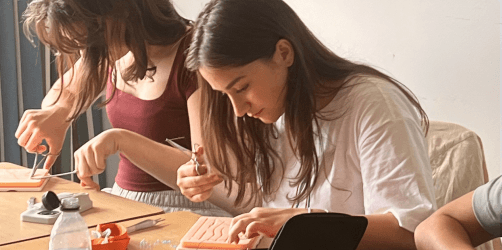
"The Medicine Academy is a first of its kind program where students are learning hands-on activities that doctors do in the workplace. We talk about things like heart attacks, strokes; we do dissections where we look at the structure of brains, we look at the structures of what the skin would look like if it's broken so that we can suture it and stitch it back up. This allows students to really have that hands-on experience so they can decide if this is something they want to do in the future."

[object Object]

Dr. Daniel Woolridge, MD, MPH

UC Berkeley